
If you are a few years old, you certainly remember this. There was a time when all PCs were beige.
Today, however, this color has practically disappeared, so we ask ourselves what happened to the beige PCs and, above all, why they were all beige.
Technically, older computers weren’t all beige, but most were finished in shades of white or off-white.
Then all of a sudden, all those shades of brown are gone, replaced by generations of black or white PCs and, later on, every possible color you can imagine. Except beige.
A German law after the choice of beige
A book about the history of the first laptop called ThinkPad: a different shade of blueby Deborah Dell and Gerry Purdy, claims that the beige color of early PCs has its origins in German labor laws.
According to the book, “In the late 1970s, Germany established labor standards that demanded “light” colors in office computer equipment; these standards were soon adopted by other European and Scandinavian countries. Then, during the 1980s, virtually anything that wasn’t gray or whitish was eliminated throughout the computer industry due to cost and European workplace standards. ‘
Whether by that law or otherwise, computers turned almost uniformly beige in the 1980s.
There were exceptions, like the Sinclair Spectrum in black, but the industry adopted beige when the Amiga and Atari ST arrived in the late 1980s. IBM-compatible PCs were practically beige from the start.
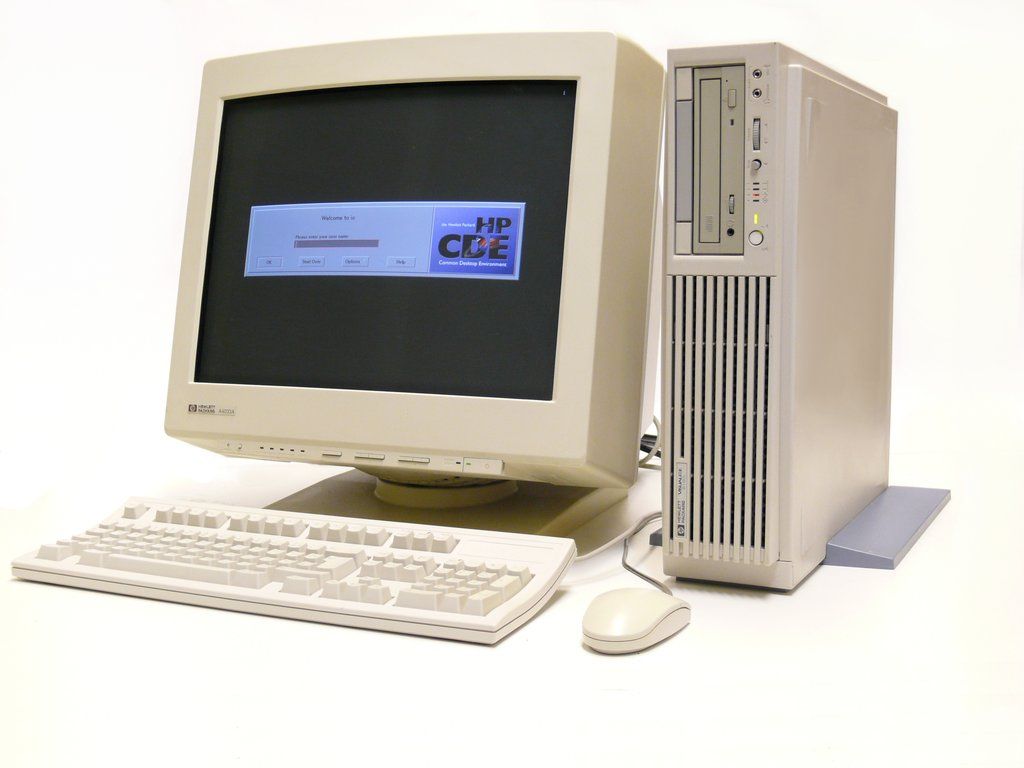
A 2002 New York Times article suggests that: “Beige PCs came to the office in the 1980s, when the mania of managers was to despise hierarchy and extol the virtues of teamwork and a more egalitarian workplace”.
The article goes on to say that office managers wanted teams to be standardized and quotes Mike Stinson, vice president of Gateway, as saying: “In companies, they don’t want the new to look different from the old.”
In addition, the article also states that the beige era came about in part due to cost savings: beige components were the cheapest because they were the most widely available. “Beige was the established standard for East Asian suppliers of ‘drive modules’ for floppy disks, CD-ROMs and Zip drives.”
90’s: the end of beige’s reign
The abandonment of beige began in the 90s, when IBM launched its ThinkPad all black.
IBM wanted to differentiate its new notebooks by making them black, but they encountered resistance from IBM Germany, and the company even considered a gray option specifically for the German market (which was rejected).
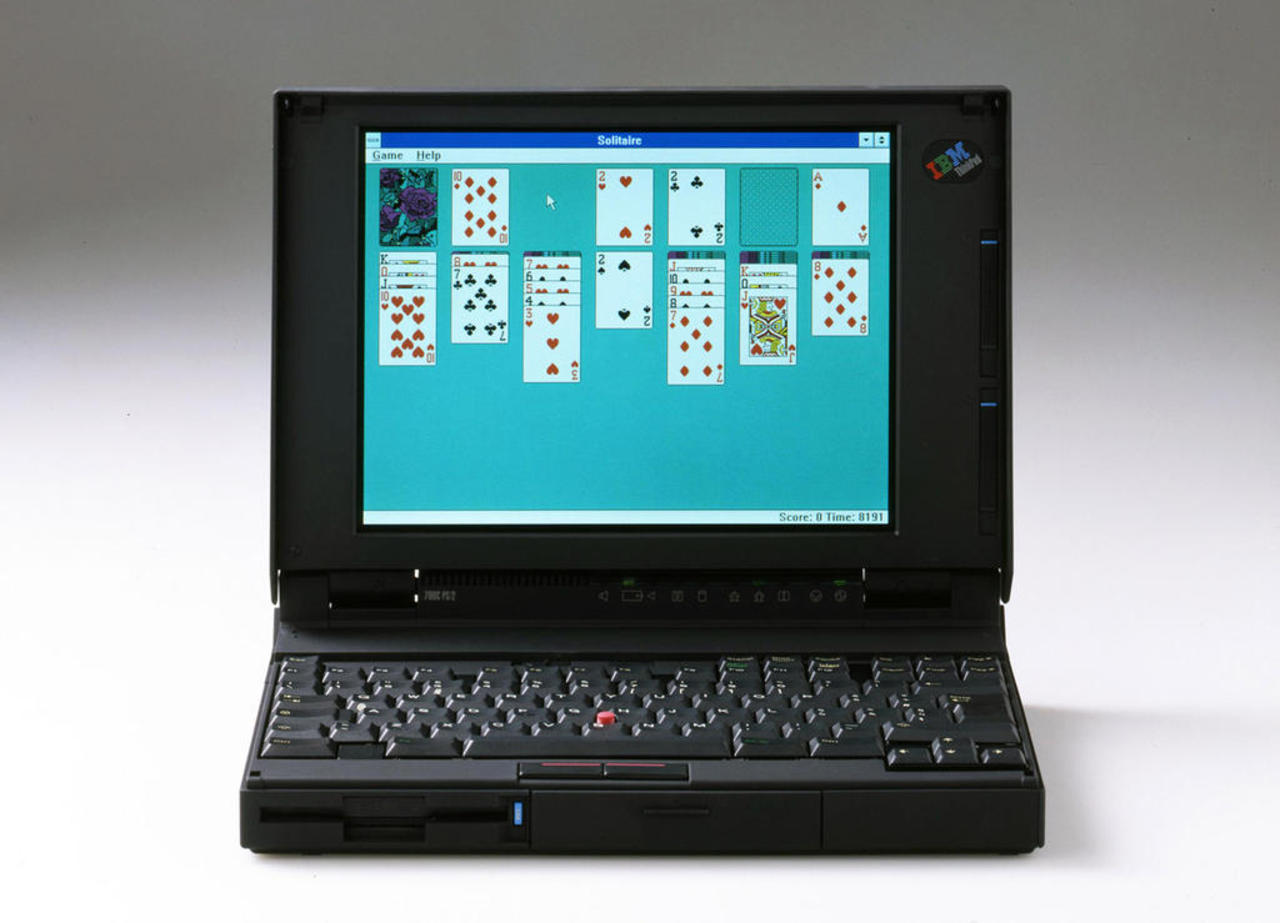
Finally, Germany accepted the use of black, but on condition that the covers of German manuals were printed in bold ‘This product is not for office use.’
Also around this time, Apple introduced the iMac in a gaudy color palette. Hewlett-Packard Executive Tom Anderson says that people who buy home PCs “I wanted to get away from beige because I was associated with work”