
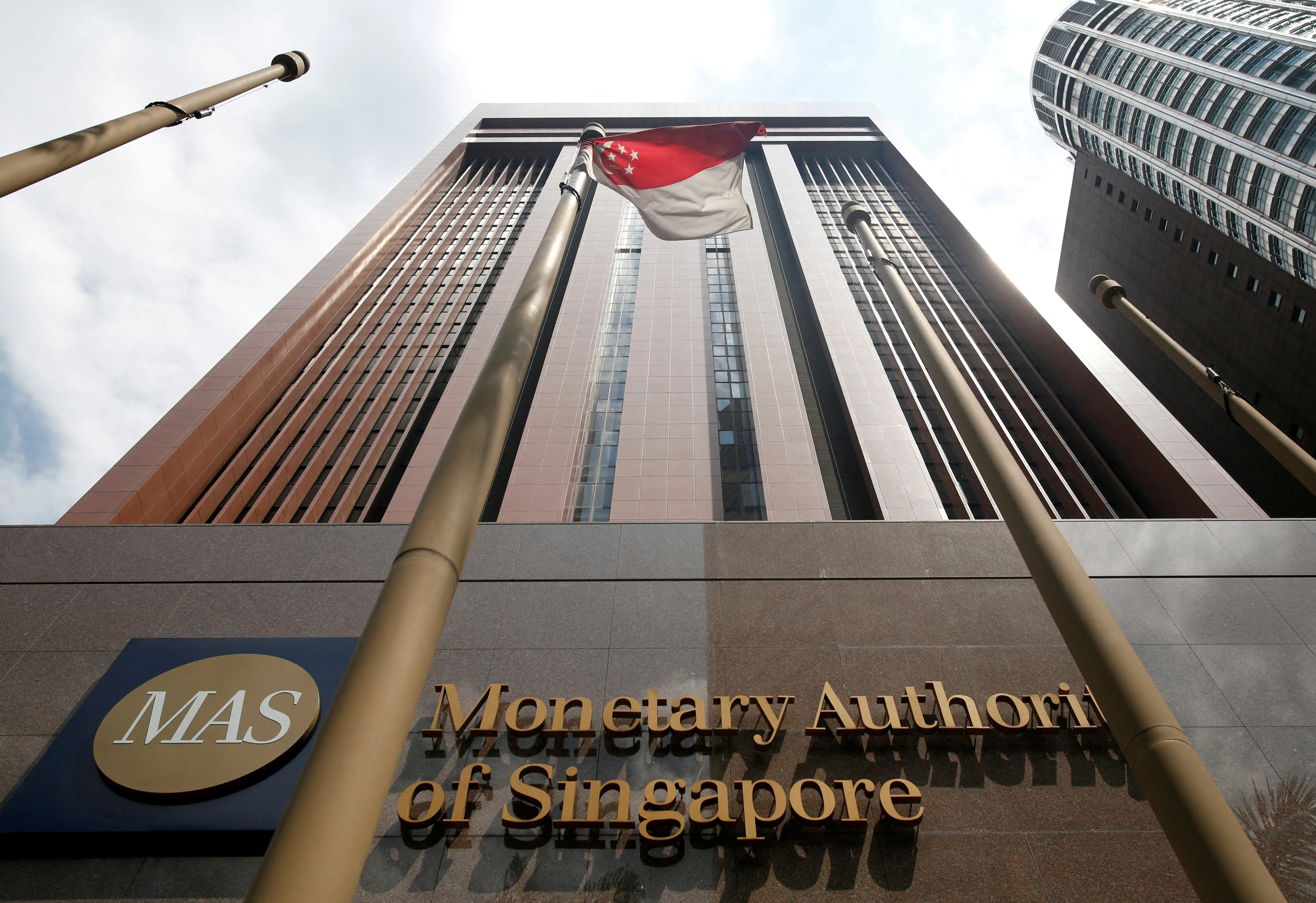
Brent crude oil just breached $100 a barrel. Middle East conflicts and naval blockades pushed prices higher. Inflation is flaring up globally. The Monetary Authority of Singapore (MAS) tightened its monetary policy on Monday. They want to shield the domestic economy from imported price shocks.
The central bank increased the appreciation rate of the Singapore dollar nominal effective exchange rate (S$NEER) policy band slightly. MAS kept both the width and the center of the band unchanged. It’s the second tightening move of 2026. And the currency already spent months in the upper half of its appreciating policy band after the April intervention.
External price pressures forced the adjustment. Surging global energy prices are affecting the economy. Singapore’s electricity tariffs jumped 17% for the third quarter alone. Imported natural gas accounts for 95% of the nation’s power generation. So, those severe April and May fuel price spikes are finally reaching household bills now. Bad weather across main import sources will lower agricultural output. Food prices will rise soon.
Core inflation officially rose to 1.6% in June. The metric intentionally excludes accommodation and private transport. It stood at 1.5% for the second quarter overall. The central bank projects core inflation will pick up starting in July and remain elevated into early 2027, according to a policy statement released on Monday. Both core and headline inflation should average between 1.5% and 2.5% for the entire year. The situation mirrors broader global trends as the US economy defies expectations with similarly stubborn data.
Market consensus missed the mark entirely. Out of 16 analysts polled by Reuters, 12 falsely expected the authority to leave the policy unchanged. Only four correctly anticipated the tightening move. Other central banks manipulate domestic interest rates to cool economies. But Singapore explicitly manages its monetary policy differently. They let the currency rise or fall against main trading partners within the undisclosed S$NEER band.
Officials remain highly vigilant regarding energy security. Global fuel reserves are down significantly. Renewed supply disruptions could trigger sharp surges in oil prices, officials warned in their macroeconomic assessment. Private transport inflation already surged to 8.1% year-on-year earlier in April following the Strait of Hormuz blockade. The incident set a precedent for how quickly external shocks infiltrate the local market.
The broader economy shows remarkable resilience despite the inflationary headwinds. Singapore’s gross domestic product growth reached an above-trend 5.7% year-on-year for the second quarter. It beat the 5.5% median forecast from economists. Electronics exports and surging AI chip demand drive the strong economic output. Honestly, major downside risks still loom over the horizon. An unexpected tightening in global financial conditions or a sudden pullback in AI corporate investment could severely impact GDP growth sustainability and weaken inflation simultaneously.
How Middle East Blockades Expose Asian Energy Vulnerabilities
Retail investors should view the MAS adjustment as an early indicator for import-dependent Asian economies. Singapore relies on natural gas for 95% of its electricity. The nation functions as a highly sensitive warning system for global supply chain distress. The 17% spike in quarterly electricity tariffs demonstrates exactly how geopolitical blockades in the Strait of Hormuz translate directly into localized Asian inflation.
For investors monitoring the industrial sector, the takeaway is clear. Corporate profit margins in energy-dependent manufacturing sectors will remain highly compressed through 2027. Global fuel reserves must recover first. The central bank tightened policy against market consensus because monetary authorities view the current energy crisis as a prolonged structural issue. They are preparing for shocks the market isn’t ready for.