
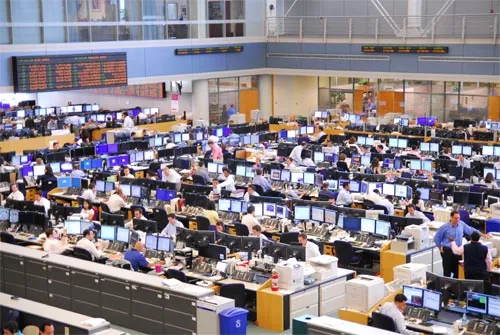
Wall Street traders expected the Federal Reserve to cut interest rates later this year. Those hopes just evaporated. The U.S. economy roared past expectations in July 2026. A massive spike in consumer spending and stubborn inflation drove the sudden surge. A recent financial analysis concluded that the Federal Reserve has little reason to drop rates before 2027.
Ongoing geopolitical tensions in the Middle East jammed the global supply chain. Supplier delivery times deteriorated to their worst levels in nearly four years. Combine that friction with a massive domestic spending spree. The immediate result is aggressive inflation.
The S&P Global composite PMI climbed to 53.6 in July. This marks the highest overall reading in eight months. The flash reading for July 2026 points directly to a 2% annualized GDP growth rate for the third quarter. The services sector drove the entire expansion with an activity index of 53.6. Meanwhile, manufacturing output dropped to a four-month low.
Look at the spending triggers. Early spending indicators show the FIFA World Cup and the USA 250th anniversary celebrations temporarily inflated July hospitality spending. This cash flood allowed businesses to raise their prices. In fact, selling price inflation hit its steepest acceleration since August 2022. Input cost inflation also reached a 14-month high.
Cash-Rich Companies Hold the Advantage in a High-Rate 2027
High interest rates punish companies relying on cheap debt to survive. Honestly, the delay in rate cuts splits the stock market into distinct winners and losers. Wall Street analysts note that businesses with strong free cash flow and distinct pricing power are best equipped to handle a prolonged high-rate environment.
They can pass elevated supply chain costs directly to consumers. Smaller firms cannot absorb these expenses easily. They will bleed. The combination of slow manufacturing and high service costs creates a dangerous squeeze for debt-heavy startups.