
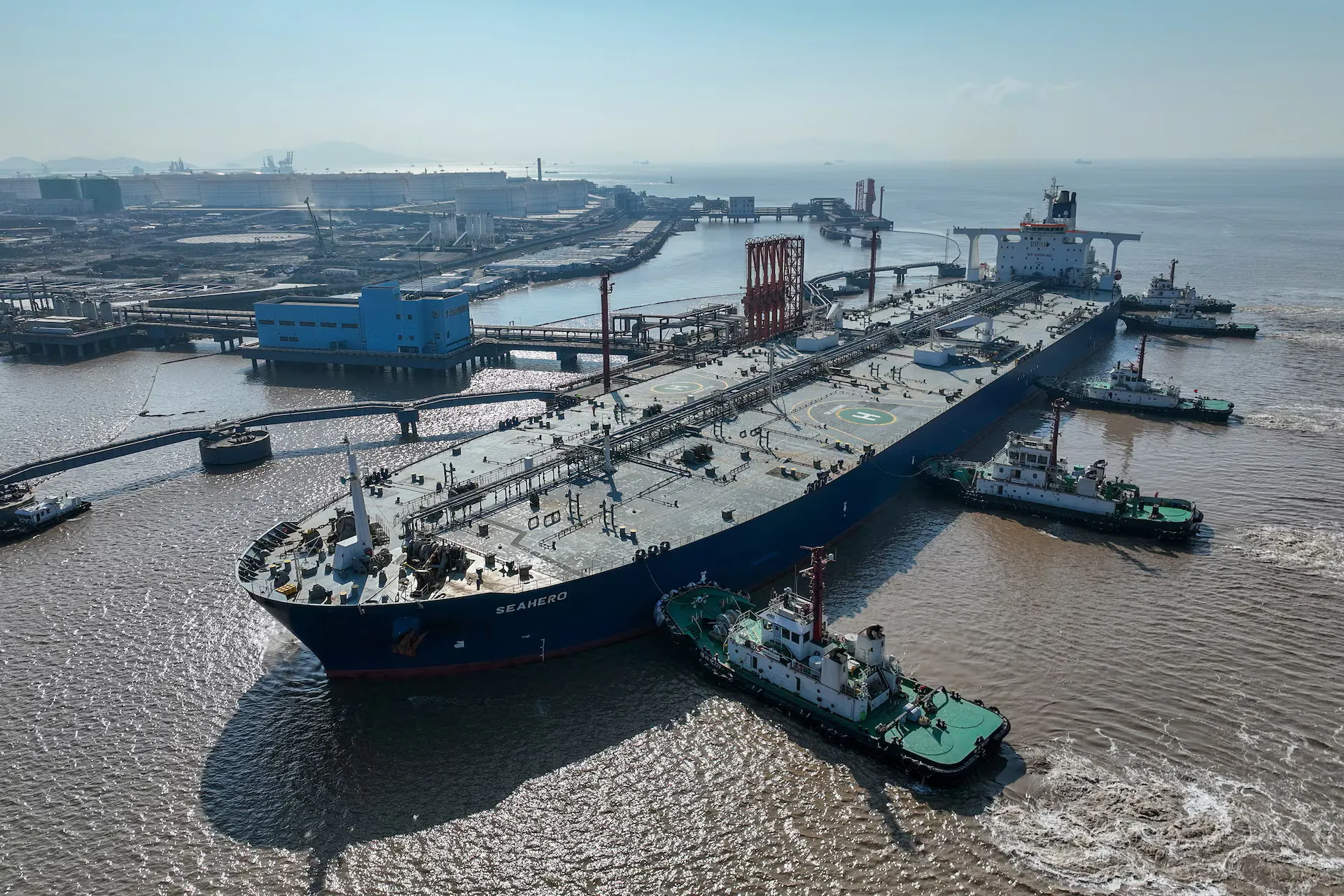
Following the outbreak of the Iran War earlier this year, the ongoing closure of the Strait of Hormuz is battering the African economy. At least 27 African currencies have depreciated since January. Driven by surging crude oil prices and global panic, the financial fallout is hitting net-importing nations the hardest.
Africa currently buys 80% of its unrefined oil and 50% of its refined petroleum directly from the Middle East. When the United States reinstated its secondary naval blockade against Iran in mid-July, it forced an immediate crisis for those supply chains. To keep their economies functioning, regional central banks are rapidly draining their foreign currency reserves just to afford the inflated fuel costs.
As of late July, the Libyan dinar has dropped more than 17%. The Ghanaian cedi isn’t faring much better, falling over 10%. With foreign investors fleeing to the safety of the US dollar, local purchasing power is collapsing.
For everyday citizens, the effects are highly visible at the pump. Gasoline prices have spiked approximately 50% across Lesotho, Rwanda, and Tanzania. You can already see that inflationary pressure spreading. According to a detailed report by Forbes Africa, Senegal recently warned that its fuel subsidy budget could easily exceed original projections. Up north, Kenya opted to extend a value-added tax reduction on petroleum products through mid-October to protect consumers.
But energy costs are only the first wave. The wartime disruption has also choked off fertilizer supplies, lifting those prices by 30%. Because of this, the hike directly threatens continental food security just as planting seasons approach.
Drained Reserves and Inflation Targets
If you track emerging markets, the underlying math here presents a serious long-term problem. Economic projections for the continent have already been cut by 0.2 percentage points from an initial 4.0% growth target.
Across the board, the continent now faces a projected average inflation rate of 10.4%. Because governments must spend their limited dollar reserves to secure expensive oil shipments, they can’t actively defend their own local currencies. South African inflation already hit a 20-month high following sudden fuel hikes in April.
Until maritime trade resumes normally through the Strait of Hormuz, these import-dependent nations will continue paying a massive premium. They simply don’t have a choice if they want to keep their basic infrastructure running.