
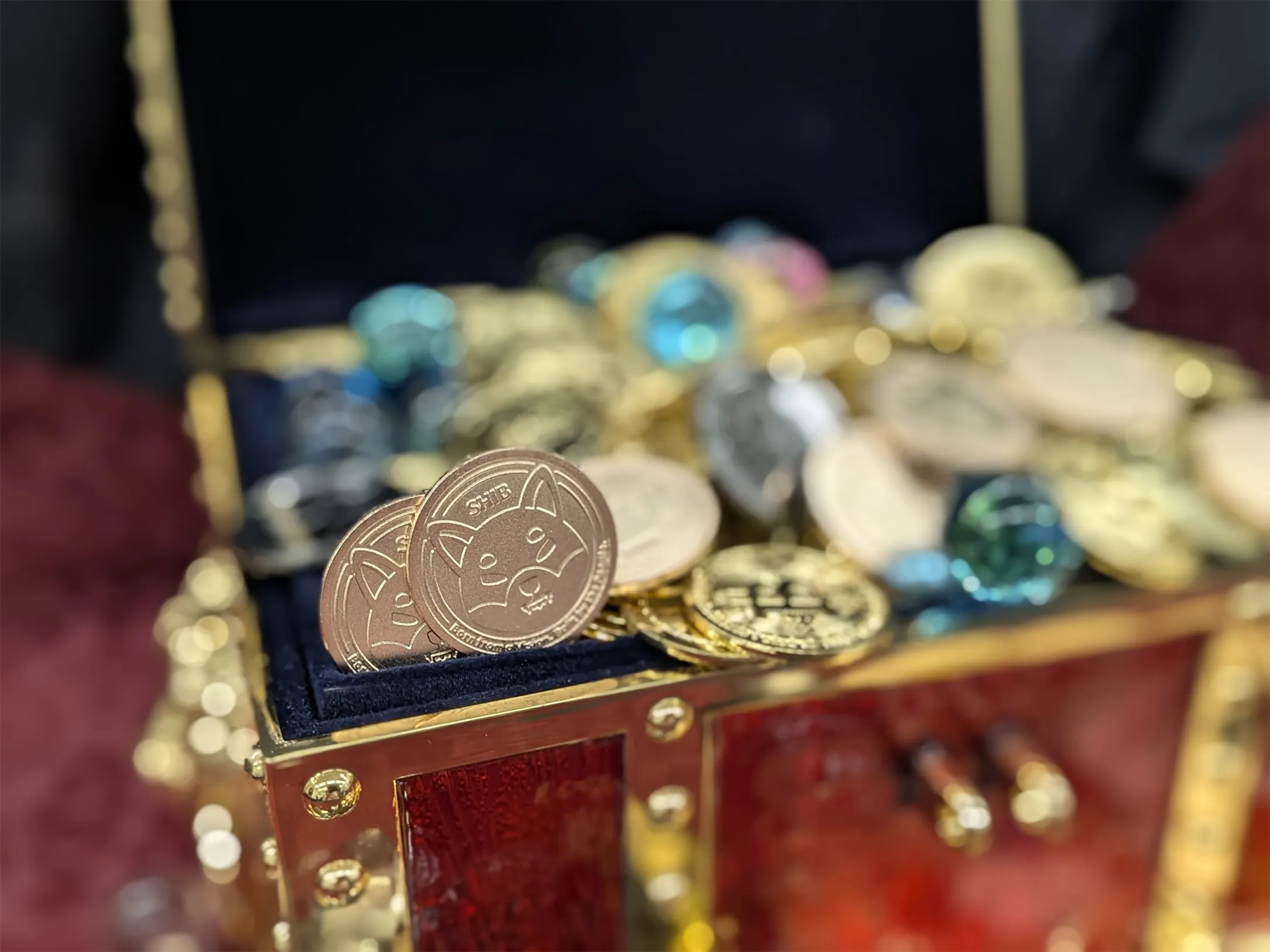
The circulating supply of Shiba Inu (SHIB) on centralized exchanges has dropped to approximately 86.1 trillion tokens, according to recent exchange supply data. This reduction pushes the coin’s exchange reserves well under the psychological 100 trillion threshold, an event confirmed by U.Today. Investors are pulling their assets off trading platforms at a rapid pace to hold them in private wallets.
Recent blockchain tracking shows a net outflow of 145 million SHIB tokens. That initial drain was followed by another massive movement of 74 billion SHIB off active platforms. This activity suggests token holders are preparing for long-term storage instead of immediate selling. If you hold tokens on a major exchange, this metric shows how quickly retail investors are moving toward self-custody.
But the aggressive shift off exchanges isn’t translating into higher valuations. Shiba Inu remains stuck in a prolonged downtrend.
The token is currently trading near the $0.0000041 mark. Technical indicators show bearish momentum continues to dominate the asset. This represents a distinct shift from earlier in the year. In March 2026, the market was closely monitoring the 80 trillion SHIB level, which operated as a longstanding structural barrier for the asset.
Robinhood Chain Surges as Shiba Inu Liquidity Dries Up
The heavy outflow of SHIB tokens into private storage restricts the available supply for active traders. When liquid supply drops on centralized exchanges, assets often experience higher volatility during sudden buy or sell orders. Retail capital is responding by rotating away from legacy meme coins.
While SHIB struggles with technical weakness, competing digital assets are capturing retail attention. Dogecoin has stabilized across major markets. Meanwhile, alternative memecoins on the Robinhood Chain have surged aggressively.
These newer tokens now generate over $474 million in daily volume on decentralized exchanges. They are currently outpacing tokenized stocks in trading activity. Speculative capital hasn’t left the market, but it is actively migrating toward newer blockchain networks with higher daily momentum.