
When a spacecraft returns to Earth, the atmosphere acts like a solid brick wall. The vehicle survives this collision using a dedicated thermal protection system. These heat shields function through two primary mechanisms. They either burn away in a controlled manner to push heat outward, or they act as extreme insulators that reflect thermal energy back into the sky. Without these protective barriers, atmospheric friction would instantly vaporize the metal hull.
Atmospheric Reentry Physics
Spacecraft returning from Low Earth Orbit routinely hit speeds approaching 17,400 miles per hour. Lunar missions arrive even faster. A capsule returning from the moon slams into the upper atmosphere at roughly 25,000 miles per hour. This velocity creates a massive fluid dynamics problem.
The falling vehicle violently compresses the atmospheric gases directly in front of its nose. This extreme compression forms a bow shock wave. The air physically can’t move out of the way fast enough, so it superheats into a glowing plasma sheath. Surface temperatures along the bottom of the craft regularly reach 5,000 degrees Fahrenheit. The heat is absolute.
Ablative Shielding Mechanics
To survive this plasma environment, engineers frequently use sacrificial materials. Ablative shields deliberately burn away during the descent. The most famous material for this job is Avcoat. This specialized epoxy resin undergoes a sudden chemical transformation called pyrolysis when struck by extreme heat.
The solid material rapidly turns directly into a gas. This phase change triggers a mechanical effect known as “blowing.” The outgassing resin physically pushes the hot shock layer away from the metal capsule. The violent slipstream simply carries the thermal energy away. According to industry engineering data, this outward flow creates a protective boundary layer that blocks the worst heat transfer.
Space agencies also utilize Phenolic Impregnated Carbon Ablator materials. These carbon composites handle the absolute highest heat fluxes experienced during planetary entry.
Reusable Thermal Protection
Other vehicle architectures rely entirely on insulation rather than sacrificial melting. The Space Shuttle utilized thousands of specialized LI-900 tiles. Technicians constructed these blocks from pure silica glass fibers.
These ceramic tiles rejected heat rather than burning away. They reflected about 90 percent of the incoming thermal energy back out into the atmosphere. A thick underlayer of ceramic wool safely absorbed the remaining thermal bleed.
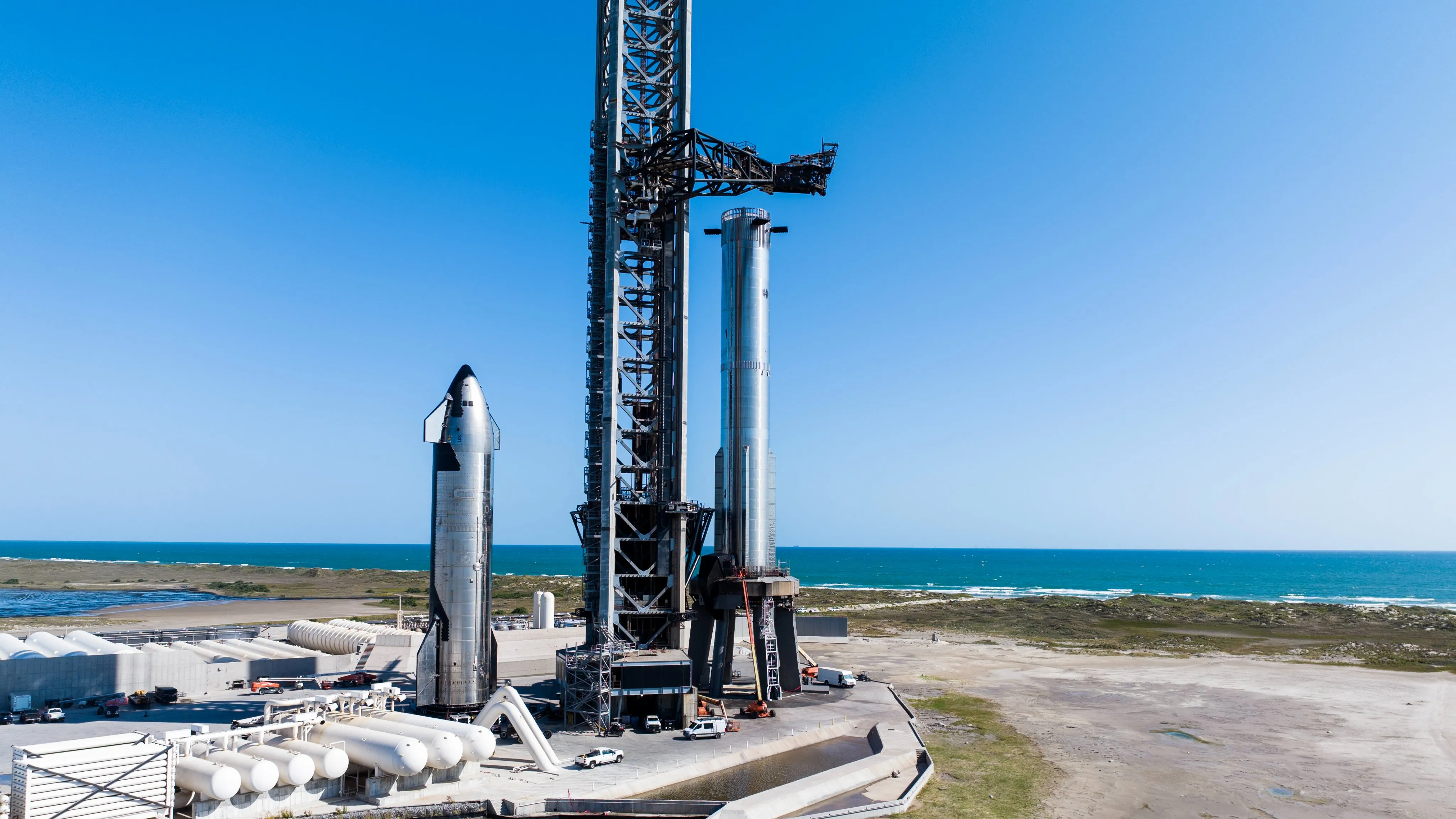
Modern aerospace designs favor simplicity. SpaceX currently covers the reentry side of its Starship vehicle with hexagonal ceramic tiles. These modern barriers click directly into mechanical pins on the hull. This uniform hexagonal shape eliminates the need to manufacture thousands of custom-fitted pieces for every square inch of the chassis.
Historical and Modern Case Studies
The Apollo 11 command module survived its famous 1969 return using an Avcoat shield. Technicians literally built it by hand. They used high-pressure applicator guns to manually inject the epoxy resin into thousands of fiberglass honeycomb cells.
NASA still uses Avcoat for the modern Orion crew capsule today. Production methods simply changed. Machines now mill the resin into solid blocks before bonding them to the spacecraft frame. Using pre-machined Avcoat blocks saves significant mass and drastically cuts down manufacturing time.
Flight tests sometimes reveal unexpected material behaviors. During the uncrewed Artemis 1 mission in 2022, the Orion capsule returned with severe charring. Missing chunks of the heat shield fell off during descent. Trapped gases inside the Avcoat failed to vent properly. This structural failure caused localized pressure fractures.
Flight Software Adjustments
NASA adjusted the flight software for the crewed Artemis 2 mission scheduled for early 2026. The agency commanded the capsule to fly a steeper entry angle to alter the physics of the descent. Plunging into the atmosphere at a sharper angle limits the total duration of heat exposure on the protective blocks.
Design Constraints and Payload Limits
Adding thermal protection always reduces a rocket’s overall payload capacity. Ablative materials are incredibly heavy. They also create a single point of failure that must perform perfectly for the crew to survive the drop.
Reusable tiles are much lighter. They are also highly fragile. These ceramic plates require uniform vehicle surfaces to remain cost-effective. Ground crews must execute strict inspection regimens between flights to ensure no tiles cracked during launch operations.