
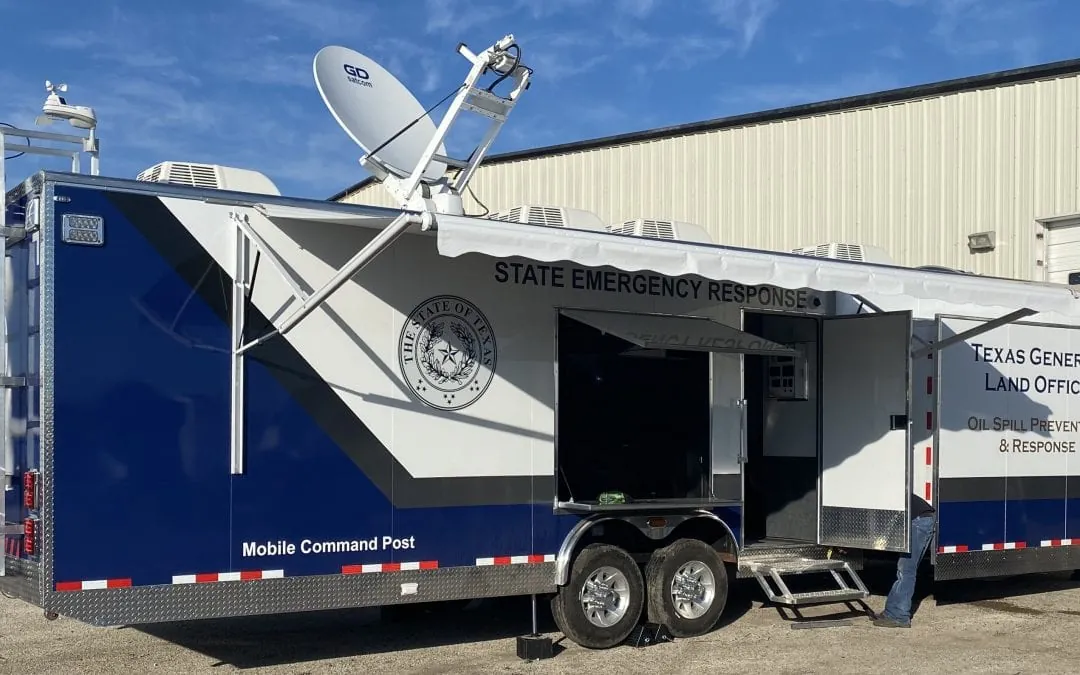
A national government coordinates disaster relief through a tiered response model that scales from local emergency units to federal agencies. Local jurisdictions handle the initial impact. They only request state or federal assistance when an incident exceeds their internal capacity. Federal frameworks activate to supply specialized task forces, equipment, and financial aid. Coordination mechanisms group resources into specific operational areas to prevent duplication of efforts. This structure ensures a unified response across all participating organizations.
When a flood or earthquake strikes, immediate intervention relies on city and county personnel. These agencies operate under standardized communication protocols.
Background: How We Got Here
Before modern emergency frameworks existed, uncoordinated responses often hindered recovery efforts. Governments now rely on statutory authority to intervene systematically. The Robert T. Stafford Disaster Relief and Emergency Assistance Act provides the legal foundation for the United States federal government to assist local agencies during overwhelming disasters.
This legislation requires a unified coordination structure. The National Incident Management System creates standardized communication channels across all responding units. These standardized protocols allow teams from different states to speak the same operational language upon arrival at a disaster zone.
The tiered response model operates as a core capability within this system. Local governments establish mutual aid agreements with neighboring jurisdictions. These agreements allow them to share personnel, heavy equipment, and medical supplies before requesting national intervention. Exhausting local resources first allows the national government to preserve its assets for catastrophic events that truly require federal funding and oversight.
Key Players and Stakeholders
Disaster management requires integration across multiple administrative levels. Federal agencies group their physical assets and personnel into Emergency Support Functions. These operational clusters cover distinct needs. Specific groups handle transportation routing, firefighting operations, and public works restoration. Additional task forces focus exclusively on water, sanitation, and public health.
Organizing response teams by function streamlines resource deployment. This method forms the backbone of the National Response Framework. Teams deploy with a clear mandate. They focus on their specific sector rather than attempting to manage the entire crisis simultaneously.
International examples demonstrate similar organizational hierarchies. In Pakistan, the National Disaster Management Authority collaborates directly with Provincial Disaster Management Authorities. These entities coordinate with district-level governments to manage ground operations across diverse geographic regions. They also integrate with the United Nations Office for the Coordination of Humanitarian Affairs to distribute international aid effectively.
Local authorities manage detailed coordination mechanisms to maintain communication during severe events. The Monsoon Contingency Plan 2023 in Pakistan demonstrated these protocols in action. Officials utilized radio broadcasts, SMS alerts, and door-to-door communication networks. These early warning systems alerted vulnerable populations prior to large-scale resource mobilization and mass evacuations.
What’s at Stake
Failure to coordinate a disaster response leads to cascading disruptions across interdependent critical services. The United States government introduced the concept of community lifelines in the fourth edition of the National Response Framework in 2019. This model recognizes that a failure in one sector directly compromises others. A power grid failure instantly disrupts communication networks. A lack of communication then halts logistical supply chains for hospitals.
Planners monitor these interdependent critical services to prioritize emergency repairs. Government agencies cannot restore these lifelines alone. Emergency management demands the full integration of private sector businesses, non-governmental organizations, and utility infrastructure operators.
Federal planners created Emergency Support Function 14 specifically to manage these multi-sector operations. This unit coordinates actions between government branches and private entities during catastrophic incidents that threaten national security and public health.
Proactive monitoring reduces the ultimate cost and human toll of these events. Pakistan’s National Disaster Management Plan for 2025 emphasizes advanced surveillance techniques over reactive measures. The framework focuses on satellite-based monitoring and complex data analytics. These tools improve early warning alerts for climate-related hazards, allowing evacuation procedures to begin days before the hazard arrives.
Key Takeaways
- Governments utilize a tiered response model to ensure local agencies manage initial impacts before requesting federal intervention.
- Standardized operational clusters, known as Emergency Support Functions, streamline the deployment of transportation, medical, and public works resources.
- Modern disaster frameworks prioritize the protection of interdependent community lifelines to prevent cascading infrastructure failures.