
Film production tax incentives are direct financial benefits offered by local, state, and foreign governments to convince studios to shoot projects in their specific jurisdictions. Depending on the location and the program rules, these financial packages typically refund roughly fifteen to forty-five percent of the money a production spends locally. Studios rarely choose filming locations based on scenery or weather anymore. They run the math on the local tax code.
The system operates on a straightforward trade. A government wants the immediate economic injection of a massive film crew renting hotel rooms, buying lumber, and hiring local caterers. In exchange, the production company gets a massive discount on the total cost of making the movie. This arrangement dictates almost everything you see on screen.
The Three Main Types of Payouts
Not all financial incentives operate the same way. The exact mechanism dictates how quickly a studio gets paid and how much of that money actually ends up on the screen.
Refundable tax credits are considered the absolute best option for producers. Under this structure, the state issues a direct cash refund to the production company if the credit amount exceeds the production’s actual state tax liability. Because this converts directly to cash within a few months of filing the final tax documents, major filming hubs like California, New York, and New Mexico rely heavily on this model. It provides certainty.
Transferable tax credits require a middleman. In states operating under this model, a production company that owes no local taxes can sell their earned credit to a third-party taxpayer who does. This is usually a large local corporation or an insurance company looking to lower its own tax bill. The production company hires a specialized broker to sell the credit on the open market. These credits sell at a discount. A production usually nets about eighty to ninety cents on the dollar, meaning the broker and the buying corporation absorb the rest of the value.
Cash rebates and grants skip the tax return process entirely. These are direct payouts issued by a government entity for qualifying expenditures. Because they do not require the production company to hold or prove any local tax liability, grants are highly accessible for out-of-town productions dropping in for a quick shoot.
Doing the Math on Qualified Spend
Governments do not hand studios a blank check based on the entire film budget. Incentives are calculated strictly against qualified production expenses only. If a studio spends a hundred million dollars, but only half of that money stays inside the state borders, the incentive percentage only applies to that half.
Qualified spend typically includes wages paid to local cast and crew members. It covers physical goods purchased from in-state vendors, heavy equipment rentals, and location permit fees. Money paid to out-of-state actors or visual effects houses in other countries generally does not count. The goal is to keep the cash inside the local economy.
States also use “uplifts” to steer production behavior. An uplift is a bonus percentage added to the base incentive rate. A state might offer a base rate of twenty percent, but add an extra five percent if the studio hires local residents for major department head roles. They frequently offer bonus bumps for filming in economically depressed rural areas rather than major city centers. One of the most common uplifts simply requires the production to display the state’s promotional logo in the end credits.
The Bidding War Across Borders
The modern era of filming locations started in the early 2000s. Louisiana became the first American state to launch a highly aggressive, structured program to capture the economic benefits of visiting film crews. The immediate success of that program triggered a nationwide arms race. As states noticed their local crews leaving for the South, they drafted their own film production incentives to compete. Dozens of states established active programs by the end of the decade.
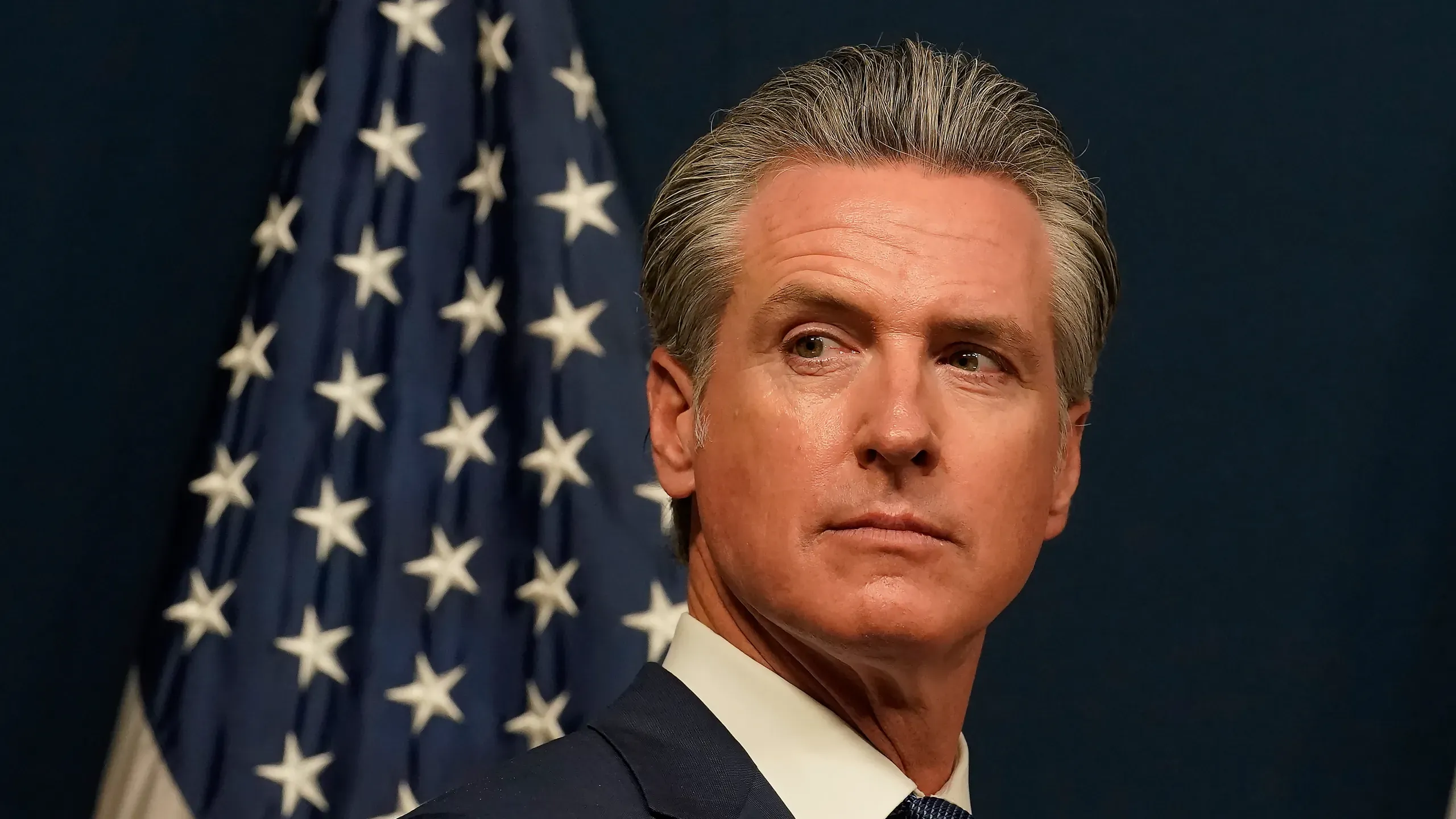
The competition remains aggressive today. Before an American studio finalizes a budget, executives frequently evaluate how international tax incentives dictate where Hollywood movies are filmed to see if moving overseas is cheaper. To combat this exact threat, California Governor Gavin Newsom signed recent legislation expanding his state’s annual incentive cap to three-quarters of a billion dollars. The sheer scale of that expanded funding successfully lured director Ang Lee out of a seven-year hiatus to shoot his feature film Gold Mountain entirely inside California.
Some states allow aggressive bonus stacking. By combining multiple available uplifts—like rural location bonuses and resident labor requirements—a production filming in Illinois can push its effective incentive rate up to fifty-five percent of the qualified budget. Georgia famously offers up to a thirty percent transferable credit, demanding only standard local expenditures and the inclusion of the state logo in the final cut.
Big Studio Wins and Indie Cash Flow Problems
The economic arguments supporting these programs point directly to rapid job creation. Proponents note that a major motion picture filming on location brings well over a million dollars into the local economy every single day. Recent analysis highlighted by the Motion Picture Association indicated that every dollar issued through Georgia’s program ultimately generated more than six dollars in economic impact for the state.
Economists regularly push back against these figures. Critics argue that the aggressive escalation of these programs functions as a race to the bottom. States must constantly raise their spending caps and offer higher percentages just to maintain their footing against rival jurisdictions. This constant escalation dilutes the actual net benefit to the local taxpayers funding the rebates.
The system also heavily favors major corporate studios over independent filmmakers. A major studio can comfortably front the cash for a massive production and quietly wait six months for the government to process a tax return. Independent producers rarely have that luxury. They often use the promised state incentive as collateral to secure short-term bridge loans.
This dynamic heavily influences how film financing actually works for historical sports dramas and mid-budget features. The interest rates on those bridge loans eat directly into the production budget. If an indie producer has to wait half a year to broker a transferable credit on the open market, the high broker fees and loan interest significantly reduce the actual money available to shoot the movie.
Key Takeaways
- Film production incentives refund a large percentage of a studio’s local spending through direct cash rebates, refundable tax credits, or transferable credits sold through brokers.
- Payouts are strictly calculated against qualified expenditures, meaning studios only get a discount on local crew wages, in-state vendor rentals, and local permitting fees.
- While major studios easily absorb the waiting periods required to receive these government payouts, independent filmmakers often lose significant budget value to the interest rates of short-term bridge loans.