
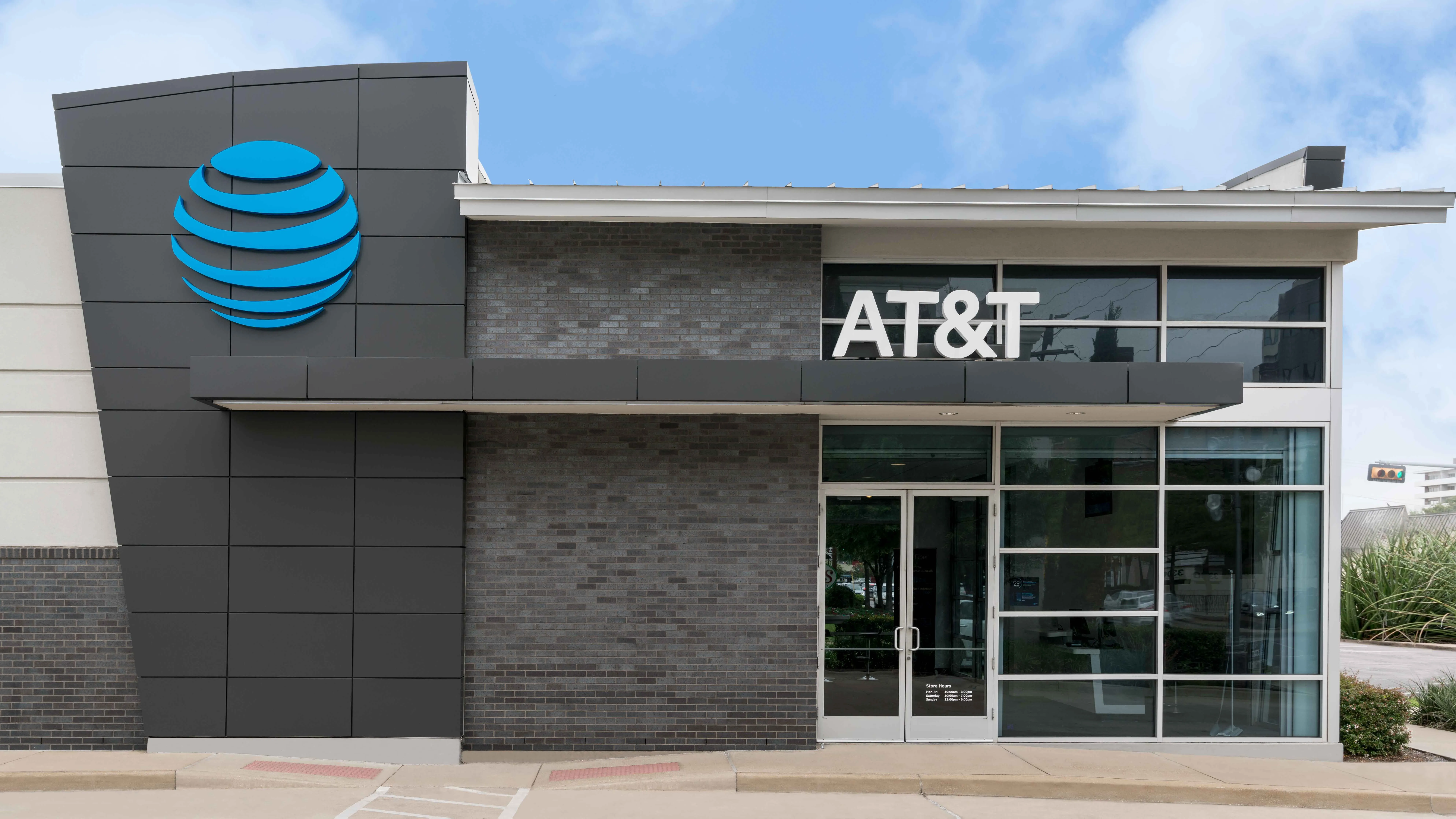
Wall Street is walking back its panic over satellite internet. Wolfe Research analyst Peter Supino issued a firm upgrade for AT&T on Thursday morning, telling clients that SpaceX’s expanding Starlink network is nowhere close to destroying traditional telecom carriers. The note, bluntly titled “Starlink Shmarlink!”, pushed back against a recent market selloff that dragged down major wireless stocks.
AT&T’s position looks remarkably secure right now. The company just delivered a massive Q2 2026 earnings beat. The telecom giant reported a net addition of 432,000 new postpaid phone subscribers, completely blowing past Wall Street expectations.
What stands out most is the pricing power. AT&T recently implemented price hikes across its service plans. Instead of fleeing, customers stayed put. The postpaid-phone churn rate actually dropped by a single basis point year-over-year. By bundling internet and mobile services together, the company successfully locked in its user base.
This operational strength directly counters the fear that Elon Musk’s low-Earth orbit constellation is about to wipe out legacy cell service. Supino explicitly argued that SpaceX faces a massive regulatory wall. It will take the aerospace company “years to acquire and clear the right spectrum” before it can mount a direct threat to mobility markets.
Earlier in the week, AT&T and Verizon suffered severe stock drops driven entirely by macroeconomic anxieties surrounding direct-to-consumer satellite internet. That fear appears overblown. T-Mobile’s leadership even took a moment during their own recent Q2 earnings call to shoot down rumors of an expanded direct partnership with Starlink.
Other analysts are reaching the exact same conclusion. Timothy Horan at Oppenheimer published a separate note agreeing that AT&T has a solid multi-quarter runway before the satellite-internet division exerts any material pressure on telecom revenues.
The Federal Spectrum Moat Protecting Legacy Telecoms
The immediate takeaway for investors is that technological capability does not automatically bypass federal law. SpaceX can launch thousands of satellites, but transmitting mobile data directly to consumer smartphones requires dedicated radio frequencies. Traditional carriers like AT&T and Verizon spent decades and billions of dollars hoarding licensed spectrum.
For Starlink to operate a competing commercial cell network at scale, it must formally acquire and clear its own specialized spectrum rights. That is a heavily regulated, bureaucratic process that guarantees legacy telecoms a multi-year buffer to adapt.