
Most audiences assume child actors working on massive studio productions have blanket federal protection. They do not. In 1938, the United States Congress passed the Fair Labor Standards Act. This legislation established minimum wage, overtime pay, and child labor regulations for almost every American workplace. However, the entertainment industry was entirely exempted from adhering to its child labor provisions.
Because the federal government stepped aside, the rules governing how long a child can work, what they get paid, and who supervises them are dictated entirely by individual states. This creates a fractured legal environment. Major production hubs like California and New York enforce strict safety and financial rules. Conversely, states such as Colorado and Idaho do not even require minor actors to obtain a permit to work on a film set.
To understand how the industry operates without a federal safety net, you have to look at the specific state mandates that step in to fill the void. These regional laws dictate the daily reality of every young performer in film, television, and digital media.
Work Hours and On-Set Safety
Time is the most strictly managed resource on a production, and entertainment hubs heavily restrict working hours based on a child’s exact age. In both California and New York, an infant under six months old is only allowed to be on a set for two hours per day. Actual filming time for that infant is restricted to just 20 minutes a day. Once a child gets older, the allowable hours scale up, but hard limits remain in place to prevent exhaustion.
Safety regulations extend beyond the time clock. In California, minors between the ages of 14 and 17 are required to complete sexual harassment prevention training prior to obtaining an entertainment work permit. Other states implement specific environmental protections. Florida state regulations, for instance, stipulate that infants under six months old cannot be exposed to light intensity greater than 100-foot candlelight for more than one minute per 15-minute period.
Education and Chaperone Requirements
Production schedules regularly conflict with traditional school hours. To ensure young performers do not fall behind academically, both California and New York mandate that three hours of every working day must be explicitly set aside for the minor’s education.
This requirement introduces the role of the studio teacher. In California, an on-set educator does much more than teach mathematics or history. They legally act as an extra guardian responsible for the child’s overall well-being. This includes monitoring the child during vulnerable periods, such as when they are in the makeup and wardrobe departments, to ensure minor safety at all times.
Parents also bear a legal responsibility. California law requires a parent or guardian to remain within sight and sound of any minor under the age of 16. Minors who are 16 or 17 years old are permitted to be on set unaccompanied. The absence of these strict oversight mechanisms in other states routinely highlights how unscripted contracts leave minor children unprotected when production companies prioritize efficiency over child welfare.
Financial Protections: The Coogan Law
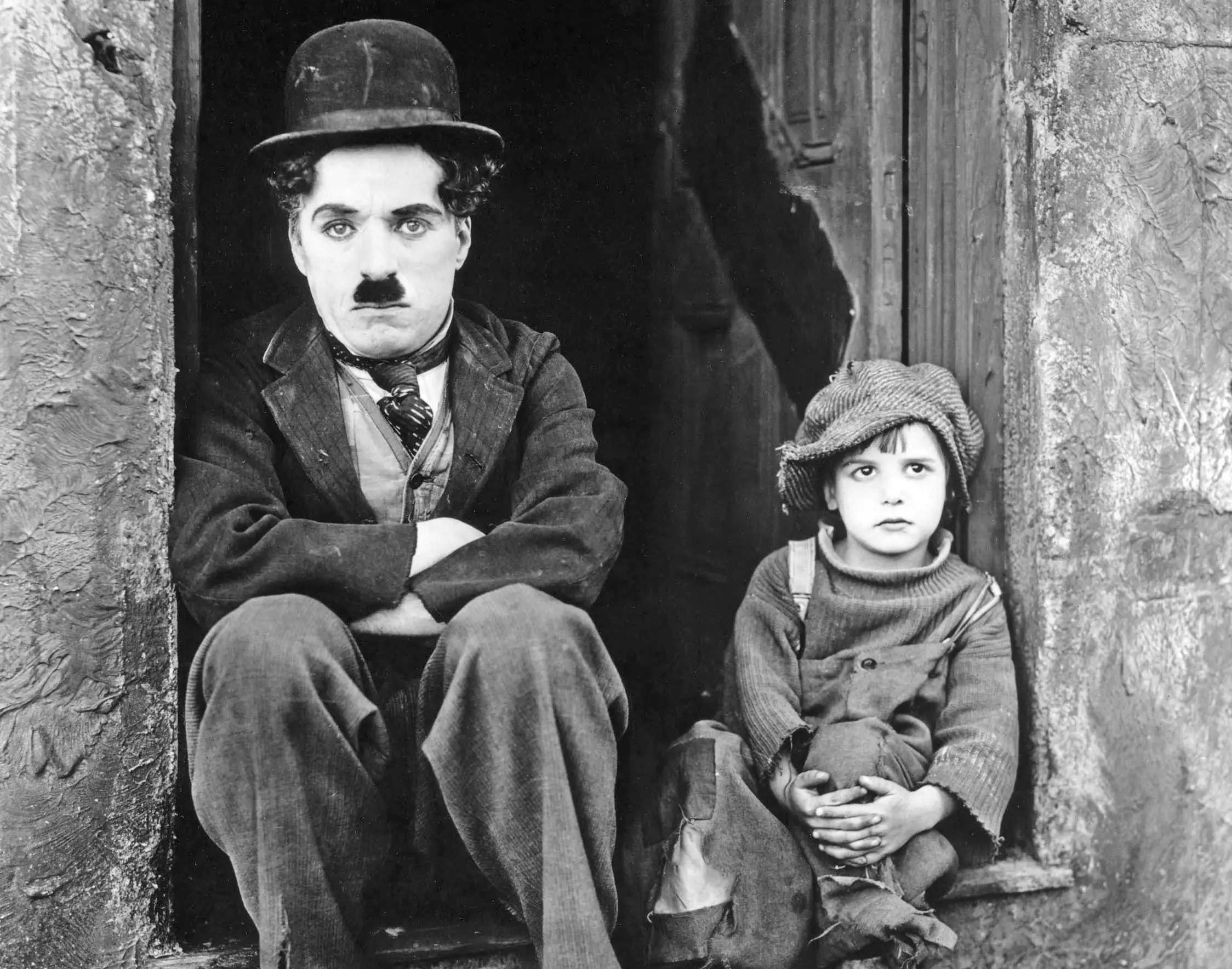
Before 1939, a child actor’s earnings legally belonged to their parents. The first major financial protection for young performers came with California’s Coogan Act. It was named after Jackie Coogan, the highly successful child star of Charlie Chaplin’s 1921 film The Kid. Coogan sued his parents as an adult after discovering they had squandered all of his early earnings.
Early versions of the law contained loopholes that parents could still exploit. To fix this, California updated the Coogan Act in 2000. The revised law mandates that a minimum of 15 percent of a minor’s gross earnings must be deposited into a blocked trust account within 15 days of employment. Parents and guardians legally cannot access this fund, ensuring the money is preserved until the child reaches adulthood.
Currently, nine states have enacted Coogan-style financial protection laws. This list includes major filming destinations like New York, Illinois, Louisiana, and New Mexico. Without federal mandates, state labor departments remain the only financial shield for working minors.
The Social Media Influencer Loophole
Traditional child labor laws were written explicitly for film, television, and theater. This left a massive blind spot for the modern digital era. For over a decade, social media influencers and YouTube child stars operated entirely exempt from Coogan account mandates and on-set work hour restrictions.
That regulatory gap is finally closing. In 2023, Illinois became the first U.S. state to expand Coogan account requirements to cover child influencers and online content creators. That legislation officially went into effect in July 2024, forcing parents who monetize their children’s daily lives online to protect their earnings.
Following Illinois’ lead, lawmakers in states such as California and Pennsylvania have begun considering similar proposals. The goal is to expand child labor protections evenly into the digital space, treating a viral TikTok channel with the same regulatory scrutiny as a network television sitcom.
Frequently Asked Questions
Do child actors need a work permit?
The requirement varies entirely by state. Major production centers like California and New York mandate that child actors obtain work permits before stepping on a set. However, several states, including Colorado and Idaho, do not require work permits for minors in entertainment.
Are child actors protected by federal labor laws?
No. The entertainment industry was exempted from the federal child labor protections established by the Fair Labor Standards Act of 1938. Consequently, child actors rely entirely on state-level legislation for workplace protections, hour limits, and financial safety.
What is a Coogan Account?
A Coogan Account is a specialized, blocked trust fund designed to protect a child performer’s financial earnings from being spent by their parents or guardians. Under these laws, typically 15 percent of a minor’s gross income must be deposited directly into the trust, which the child cannot legally access until they reach adulthood.
Do YouTube and TikTok child stars have the same protections as child actors?
Historically, they have not. Traditional child entertainer laws did not apply to social media creators. Legal frameworks are slowly adapting. Illinois passed a law that took effect in July 2024 mandating Coogan-style financial protections for child influencers, and other states are actively exploring similar legislation to close the digital loophole.