
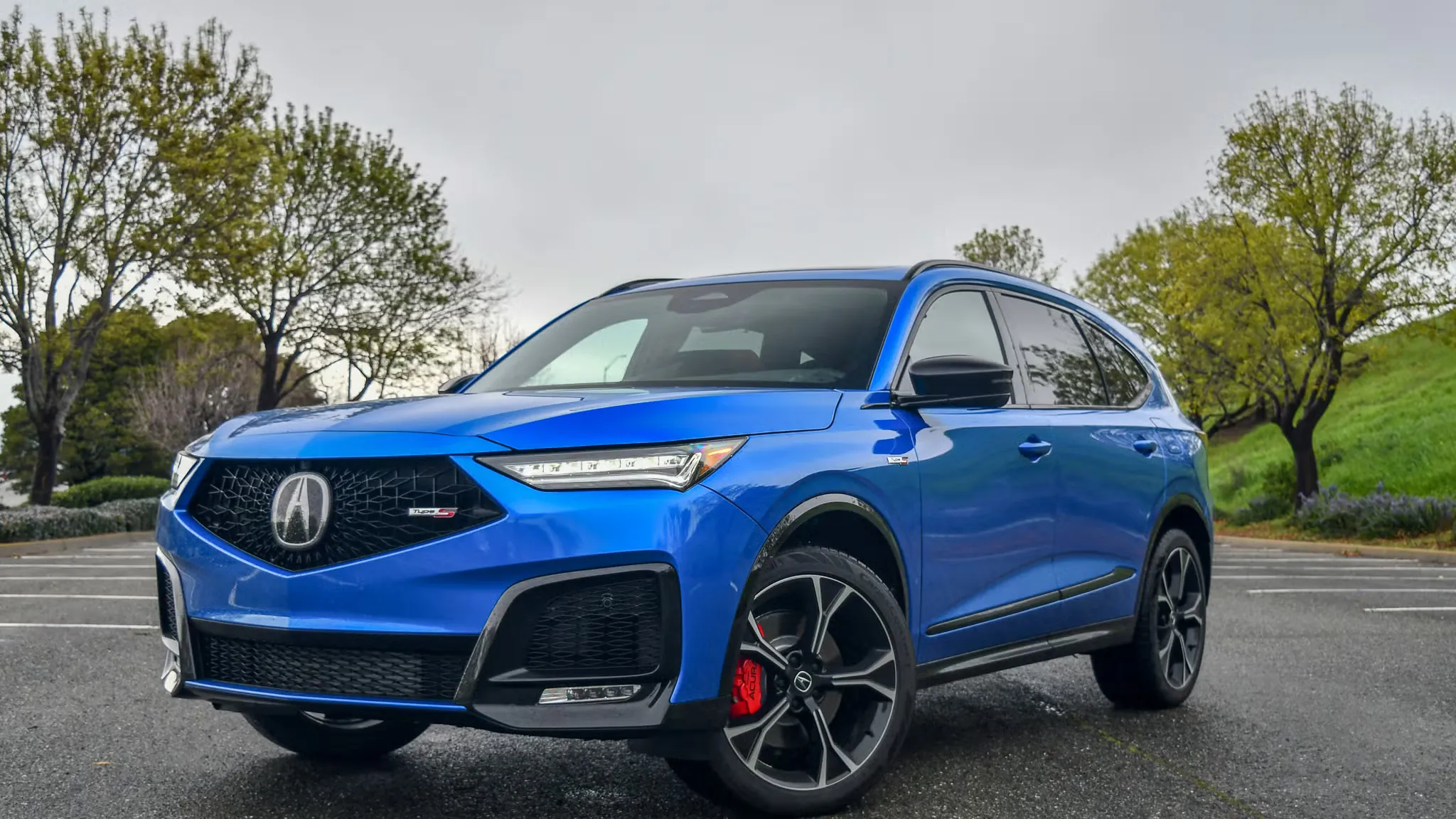
Dealerships finally won the argument. Acura is developing a massive three-row flagship SUV to sit directly above the current MDX. The upcoming vehicle ditches full battery-electric architecture in favor of a large-vehicle hybrid powertrain. Production is scheduled to begin at Honda’s Lincoln, Alabama assembly plant in September 2029, with an annual output target of 40,000 units.
The move answers a persistent complaint from the brand’s retail network. While the mid-size MDX remains Acura’s best-selling model, its cramped third row struggles against a new wave of premium family haulers. Now, the automaker is moving upstream to capture high-margin sales in the luxury large crossover segment.
Internal documents refer to the upcoming project under the “Acura XL” naming convention, highlighting strong dealer support for a vehicle with legitimate third-row legroom and cargo capacity.
That extra space is entirely aimed at stealing market share from rivals like the BMW X7, the Mercedes-Benz GLS, and the upcoming Audi Q9. But the most direct competitor in Acura’s crosshairs is the Lexus TX, a model that quickly dominated the large premium crossover segment following its recent introduction.
This development revives a concept the automaker abandoned over a decade ago. Acura previously designed a V8-powered, rear-wheel-drive large SUV, but executives scrapped the project during the 2008 financial crisis. Now, the brand is returning to the large-vehicle segment with a highly profitable hybrid strategy instead of a massive V8.
The ‘Acura XL’ Confirms Honda’s Aggressive Retreat From Full EVs
The introduction of a flagship hybrid SUV in 2029 marks a sharp reversal in Honda’s corporate product roadmap. Acura recently killed the electric RSX crossover before it even reached production lines. The brand also discontinued the all-electric ZDX after a single model year.
By pivoting capital to a large-format hybrid platform, Acura is acknowledging that premium buyers still demand internal combustion engines for cross-country family hauling. The 40,000-unit annual production target in Alabama indicates Honda expects this hybrid stopgap to generate the reliable profit margins its short-lived EV attempts failed to deliver.