
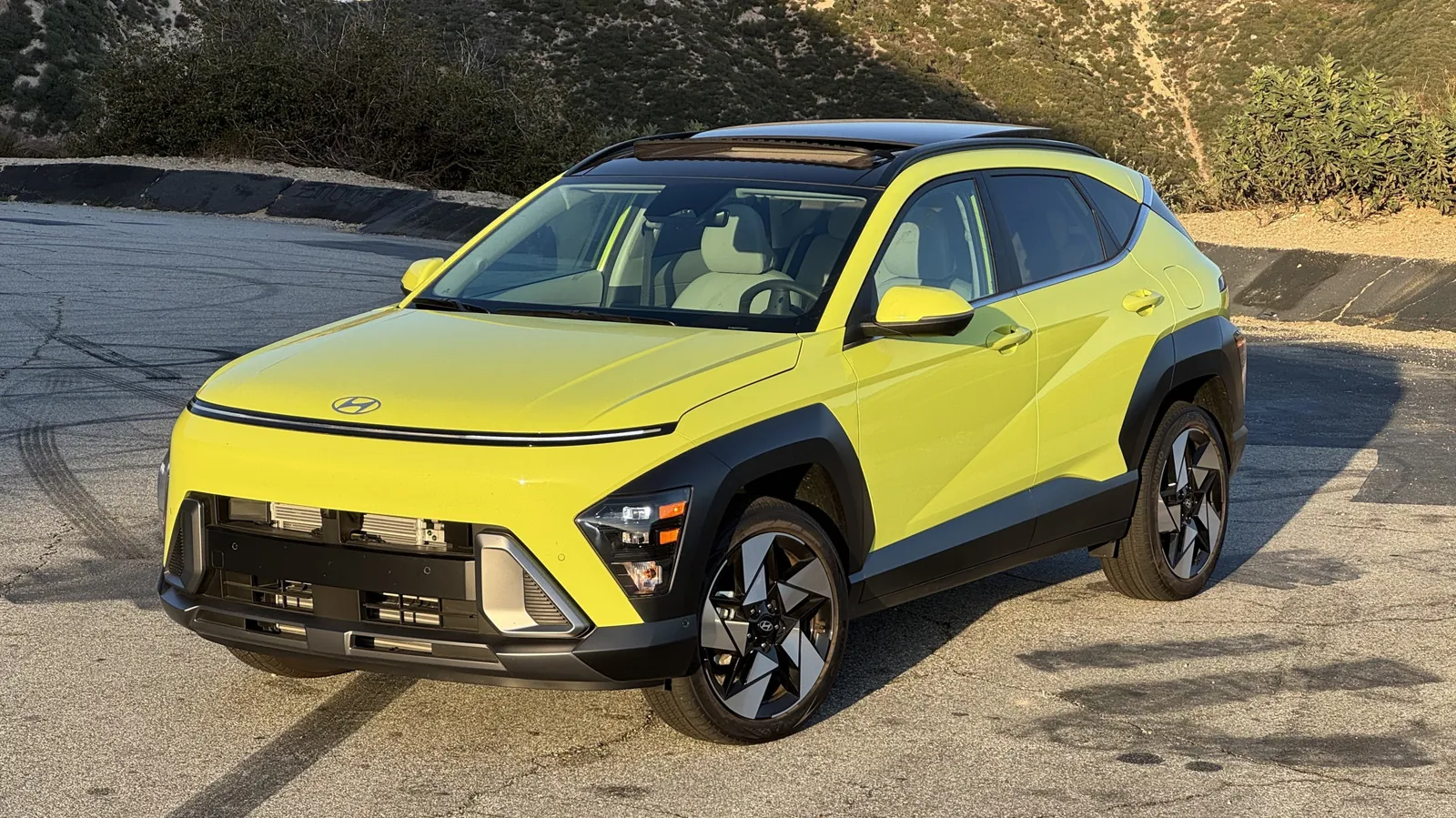
Hyundai Motor America just recalled 47,749 recent Kona SUVs. The automaker is explicitly telling owners to stop using the rear center seat immediately. A defective seat belt buckle assembly might fail to lock properly during a crash.
The recall covers 47,733 gasoline-powered 2026 Hyundai Kona units and a micro-batch of 16 Kona Electric models from 2025. Hyundai reported no injuries or fatalities connected to the defect.
The root cause traces directly back to Joyson, a third-party supplier. Stamping dies used by the supplier to manufacture the buckles wore down from heavy overuse. Instead of replacing the tooling, they kept making parts that drifted outside standard design specifications.
Hyundai caught the issue internally in February 2026. The automaker launched an investigation after receiving a dynamic test failure report from the supplier. The company formally filed the voluntary recall with the NHTSA in mid-July.
How the Recall Will Unfold
Dealers will replace the defective parts at no cost to the customer under NHTSA campaign 26V452000. Here is the timeline for affected owners:
- September 11, 2026: Hyundai will begin mailing official notification letters.
- Dealership Action: Technicians will inspect the rear center seat belt buckle assembly.
- Replacement: Any defective buckle assembly will be swapped out for a newly manufactured unit.
Tier 1 Supplier Failures Squeeze Automaker Margins
Car manufacturers outsource more components than ever. But when a supplier pushes a stamping die past its operational limits, the primary automaker absorbs the reputational damage and the logistical bill.
The fact that Hyundai had to intervene directly highlights a growing friction point in global auto manufacturing. The automaker actually rolled out improved inspection standards back in January 2026 just to prevent this exact type of production deviation. A single worn-out tool on a third-party factory floor just triggered a multi-million dollar repair operation for the brand.