
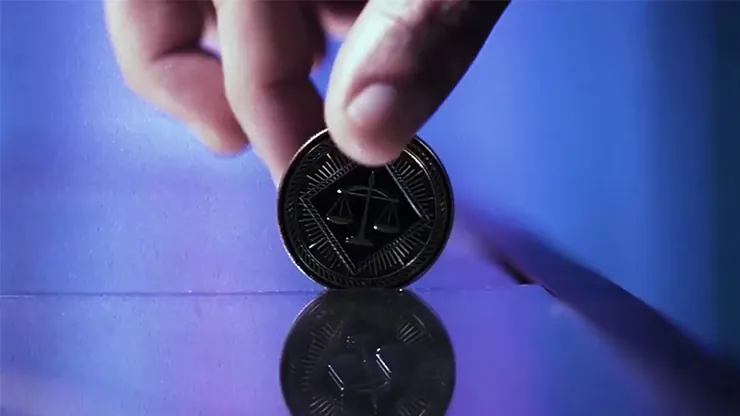
Balance Coin, an algorithmic stablecoin designed to perfectly mirror the US dollar, suffered a total collapse on Wednesday after an attacker drained $915,000 from its protocol. The token’s price instantly plummeted from $0.9954 down to a fraction of a cent at $0.001358.
Key Details
- An attacker exploited a vulnerability in the 42DAO governance contract on the BNB Chain.
- Over 4.5 million BLC tokens were illicitly minted from a null address.
- The stolen assets were quickly routed through PancakeSwap to extract Binance-pegged USDT and Bitcoin.
Blockchain security firm PeckShield confirmed the exact mechanics behind the sudden hyperinflation. Analysts pointed directly to a vulnerability within 42DAO, the decentralized autonomous organization that controls the Balance Protocol. Because algorithmic stablecoins rely entirely on code rather than hard cash reserves to maintain their 1:1 peg, a single breach in the minting mechanism destroyed the token’s value in a matter of hours.
The execution of the breach was highly systematic. Security researchers at TenArmor tracked two distinct attack transactions executing on the BNB Chain, flagging interactions involving “GemJoin” and the 42DAO contract. The primary exploit allowed the attacker to bypass normal supply rules and mint 4.5 million unbacked BLC tokens out of thin air using a null address.
Once the fraudulent tokens were generated, the attacker used the decentralized exchange PancakeSwap V2 as their primary exit liquidity. They flooded the exchange with the newly minted BLC, immediately swapping the assets to drain established cryptocurrencies like Binance-pegged USDT (BSC-USD) and Binance Bitcoin (BTCB) from the available liquidity pools. Two hours later, a secondary attack replicated the exact same method to extract an additional 5,900 BLC.
42DAO Breach Exposes Algorithmic Stablecoin Vulnerabilities
The destruction of the Balance Coin peg highlights the extreme structural risks built into algorithmic stablecoins. Unlike traditional fiat-backed tokens that hold physical dollars in audited bank accounts, algorithmic tokens maintain parity entirely through smart contract incentives. When a bad actor finds a loophole in the governing code, they can trigger instant, irreversible hyperinflation.
For retail investors providing liquidity on decentralized exchanges like PancakeSwap, these exploits act as a sudden wealth transfer. The automated liquidity pools accept the fraudulent tokens as legitimate, leaving everyday traders holding millions of mathematically worthless coins while the attacker walks away with the network’s hard assets.