
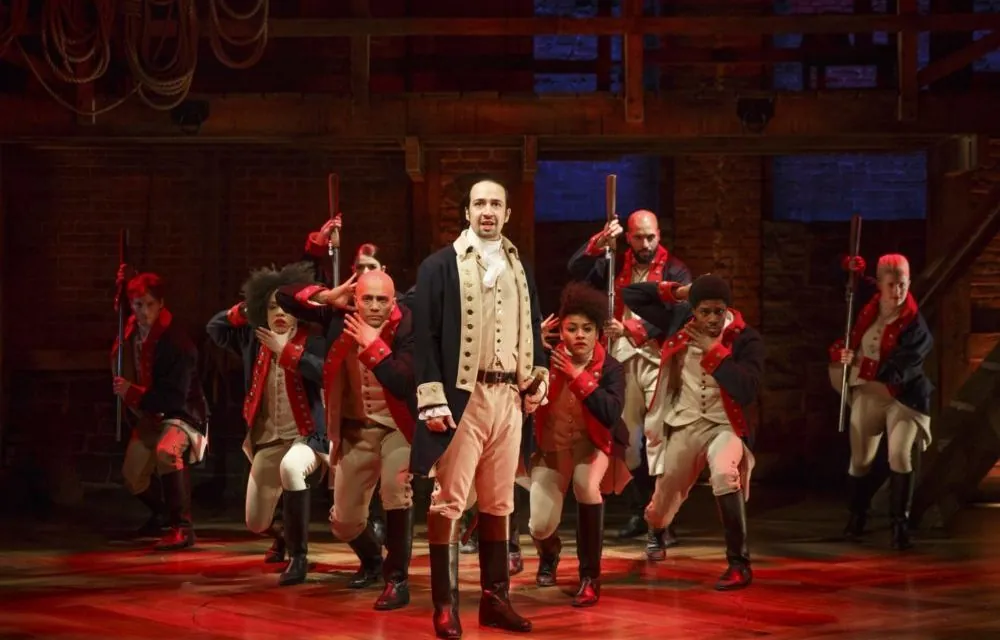
Translating a live theater production into a streaming television broadcast is a massive technical undertaking that bridges the gap between traditional stagecraft and live broadcast journalism. You cannot simply place a camera in the front row and hit record. To make a stage play work on a screen, production crews must completely re-engineer the original lighting, sound, and visual direction for a television audience.
Unlike standard narrative filmmaking, a theatrical capture crew operates more like they are broadcasting a live sporting event. A film director can call “cut” and reset a scene if a camera misses a mark, but a live theater broadcast has to capture the magic as it happens in real time. This requires a highly specialized team working alongside the original creators to translate the spatial reality of a theater into a flat, two-dimensional broadcast without losing the energy of the room.
The process demands millions of dollars in equipment, specialized broadcast cameras, and weeks of meticulous planning. From reducing extreme lighting contrast ratios to wiring individual actors with radio microphones that sync with dynamic camera angles, the technical hurdles are immense. The final product is a highly orchestrated hybrid medium that brings Broadway and West End performances to global cinema screens and streaming platforms.
The Anatomy of a Live Capture
The first step in translating a play to a screen is hiring a dedicated “screen director.” This individual’s sole job is to observe the stage production and plan the broadcast without altering the original stage director’s creative vision. They have to decide how to frame a sprawling, multi-level stage design into a standard 16:9 television aspect ratio.
To accomplish this, crews first record what the industry calls a “scratch tape.” This is a single-shot, wide-angle recording of the entire live show. The screen director and their camera team use this raw footage to meticulously plan their shots and angles. A single theatrical broadcast can feature over 1,300 individual shot changes, all mapped out specifically to the dialogue and musical cues of the performance.
During the actual live performance, the execution falls on a vision mixer. This technician sits inside an Outside Broadcast (OB) truck parked outside the theater. According to a detailed breakdown of anatomy of an NT Live broadcast, the vision mixer actively edits the multi-camera feeds together in real-time, executing those hundreds of pre-planned cuts while the actors perform on stage.
Re-engineering Stage Light and Audio
One of the most complex challenges in filming live theater is dealing with light. Stage lighting simply cannot be perfectly translated to a screen because of the biological differences between the human eye and a camera lens. The human eye can naturally adjust to massive contrast ratios in its field of vision, handling a light range of up to 100,000:1.
Broadcast television cameras, however, can typically only process a contrast range of about 100:1. If a stage lighting director does not heavily adjust the show’s lighting, the resulting video will be unwatchable. To prevent bright stage spotlights from flaring on screen, and to keep dark shadows from turning into a messy blur, crews must heavily reduce the overall light ratio on stage, according to academic resources explaining contrast ratio differences.
Audio supervisors face a similar uphill battle. They have to completely redesign the sound mix, abandoning the standard theater soundboards used for the live audience in favor of a dynamic broadcast mix. Principal actors wear individual radio microphones so the broadcast director can control the specific audio perspective for the home viewer.
This allows the audio team to manipulate how the actors sound based on the camera angle. If the broadcast cuts to a wide shot, the character sounds “wide” and slightly distant; if the camera punches in for a tight close-up, the audio perspective instantly shifts to sound incredibly intimate. Furthermore, dedicated microphones are strung throughout the auditorium specifically to capture the audience’s live reactions, such as laughter, gasps, and applause. Mixing in this room noise is crucial for maintaining the acoustic rhythm and energy of the original live show.
High-End Execution: NT Live and Disney+
The United Kingdom’s National Theatre Live (NT Live) is widely considered the gold standard for live theatrical broadcasting. NT Live broadcasts British theater to over 3,500 cinema screens worldwide. Instead of using standard cinematic film cameras, the production relies on specialized broadcast system cameras that allow technicians to color-shade and grade the footage live during the performance.
A typical NT Live production utilizes around six of these high-end cameras, which cost approximately £120,000 each. The production process takes weeks of planning and rehearsing in the venue. The actual live capture requires a crew of around 25 people working in absolute, quiet synchronization to pull off the broadcast.
Meanwhile, streaming services have experimented with hybrid models to bring premium theater to home televisions. For the highly anticipated 2020 streaming release of Hamilton, director Thomas Kail utilized a unique “live capture” approach filmed over two performances in 2016 at the Richard Rodgers Theatre. As announced prior to its release exclusively to Disney+, the production primarily utilized nine cameras to capture the show with a paying, live audience in attendance.
However, to achieve extreme cinematic proximity without ruining the view for the theatergoers in the premium seats, Kail’s crew filmed 13 specific songs without an audience in the room. This hybrid approach allowed the camera operators to roll heavy dollies, Steadicams, and sweeping cranes directly onto the stage, capturing a level of cinematic intimacy that would be impossible during a standard live performance.
The Debate Over Cinematic Liveness and Financials
As the COVID-19 pandemic accelerated the entertainment industry’s shift toward theatrical broadcasting, academics and theater purists actively debated whether television screens can ever truly capture the “liveness” of a stage play. Theater is inherently built on the shared physical space between the performer and the observer.
Theater analysts and researchers Matthew Reason and Bruce McConachie point out that traditional theater is a reciprocal experience. The audience’s physical presence and the very real unpredictability of human mistakes create a unique social urgency that television naturally flattens. To combat this, modern high-end broadcasts purposefully attempt to emulate liveness by leaving in minor stage imperfections and heavily highlighting the in-room audience’s real-time physical reactions in the audio mix.
While the artistic merits of broadcasting theater continue to be debated, the primary barrier to regular live broadcasts remains strictly financial. While the cutthroat math behind indie film festival selections usually revolves around long-term distribution rights and marketing, the math behind theater captures is all about massive upfront production capital. A high-end live broadcast can easily cost up to $3 million to produce, making it a financial gamble for regional theaters and smaller production houses looking to stream their work.
Frequently Asked Questions
How much does it cost to broadcast a live theater production?
A high-end live theatrical broadcast is incredibly expensive to produce. According to arts researchers, production costs can reach up to $3 million for top-tier stage captures like those found on major streaming platforms. Standard cinema broadcasts, like those produced by National Theatre Live, typically require budgets extending well into the six figures due to the specialized camera equipment and large crews required.
Why does theater lighting look different on television?
The human eye is capable of processing massive contrast ratios of up to 100,000:1, allowing audiences in a theater to easily see details in both bright spotlights and dark stage corners simultaneously. Broadcast television cameras can only process contrast ratios of about 100:1. Lighting directors must therefore heavily adjust the stage lights to reduce contrast, ensuring the broadcast camera does not overexpose the bright spots or completely lose visual details in the dark shadows.
How is a live theater broadcast edited?
Unlike traditional movies, live theater broadcasts are usually edited in real-time. A vision mixer operates a massive sound and video board from an Outside Broadcast (OB) truck parked outside the venue. They cut between multiple live camera feeds on the fly based on a meticulously planned “scratch tape” script that cues hundreds of pre-planned camera angles to match the stage action.