
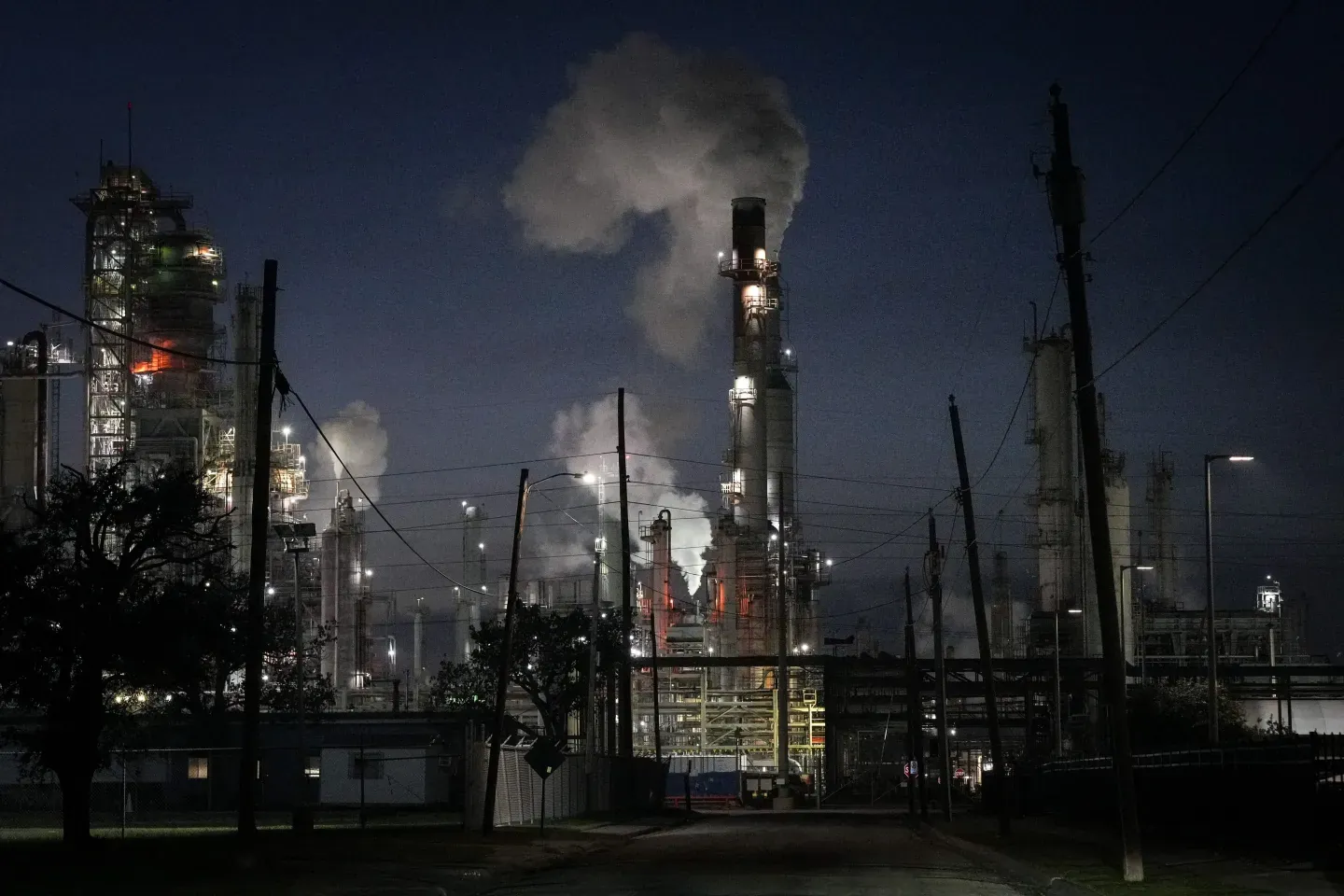
Retail gasoline prices are detaching from crude oil benchmarks, sustained by extreme premiums in refinery profit margins. While global crude supply has shown signs of stabilization following the 2026 U.S.-Iran conflict that closed off the Strait of Hormuz, the cost to convert that raw material into pump-ready fuel has reached an all-time high.
The industry metric tracking this conversion margin, known as the 3-2-1 crack spread, recently surpassed its June 2022 peaks to hit $64 per barrel. This financial wedge explains why drivers continue paying elevated prices at the gas pump even when the underlying cost of crude oil futures drops on the open market.
The “Elevator Up, Stairs Down” Accounting Cycle
Retail gas stations operate on Last-In, First-Out (LIFO) inventory accounting. When wholesale refined fuel prices jump, operators immediately raise pump prices to secure the replacement cost for their next delivery. But when crude oil gets cheaper, those same stations hold their prices high until their more expensive underground inventory completely clears out.
Government data confirms the structural bottleneck supporting these high retail costs. Official U.S. Energy Information Administration projections indicate that ongoing tightness in national gasoline inventories will continue to support elevated crack spreads in the near term.
Supply Chains Trapped by Refinery Constraints
The root of the disconnect lies in physical refining capacity rather than crude extraction. With the closure of the Strait of Hormuz trapping the medium-sour crude typically favored by Asian processing facilities, global refiners are running at maximum capacity to process alternative crude grades.
These alternative grades yield different product mixes, generating severe shortages in summer-blend gasoline and diesel. As noted in a recent Morningstar market analysis, the Strait of Hormuz shipping disruptions inherently boost crack spreads by forcing refineries to pay up for less optimal feedstocks while struggling to meet final product demand.
Why Institutional Traders Are Shorting the Refining Margin
Financial markets are already positioning for a correction. The CME Group reports that institutional traders are actively eyeing “short” positions on the 3:2:1 crack spread.
These market participants are betting that $64 per barrel refining margins are economically unsustainable for consumers. If demand destruction occurs at the retail level, or if refiners manage to optimize their alternative crude blends, the crack spread will compress, finally bringing pump prices back into alignment with global crude oil benchmarks.