
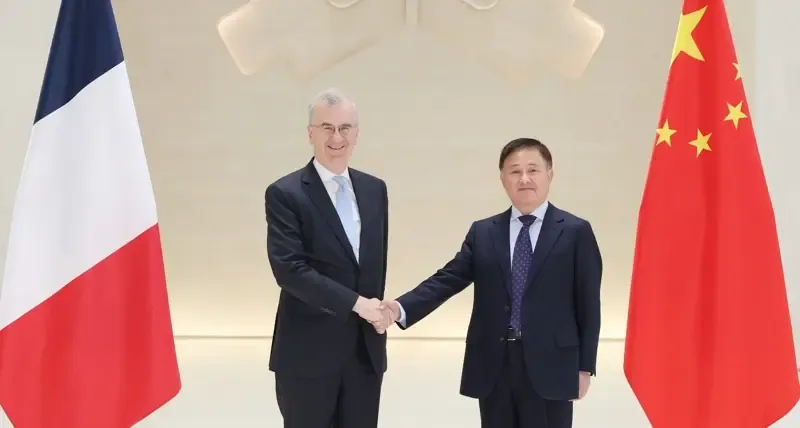
During a meeting in Beijing on July 18, Central Bank of Libya Governor Naji Mohammed Issa and People’s Bank of China Governor Pan Gongsheng formally agreed to connect Libyan commercial banks to China’s Cross-Border Interbank Payment System. The integration establishes a direct corridor for yuan-denominated payments, intentionally bypassing Western intermediary banks.
The structural pivot follows the severe August 2024 Central Bank of Libya leadership crisis. During that standoff, rival eastern and western political factions clashed over control of the institution and its underlying oil revenues. The ensuing instability led foreign financial institutions to freeze transactions, threatening the North African country with total economic isolation from global liquidity pools.
By routing trade finance through the Chinese architecture, local commercial entities can now issue direct renminbi letters of credit. A formal central bank statement confirmed the strategic partnership, highlighting immediate trade facilitation measures. The policy shift fundamentally alters how Libyan traders process transactions for heavy machinery, consumer goods, and infrastructure contracts imported from East Asia.
The financial restructuring extends beyond commercial trade into sovereign asset allocation. Tripoli will actively diversify its foreign currency reserves by purchasing assets within the Chinese bond market, further insulating its national wealth from potential asset freezes tied to the U.S. financial system. To solidify these new transaction channels, both monetary authorities announced the inaugural Libya-China Banking Forum, scheduled to convene on the sidelines of the Forum on China-Africa Cooperation in early 2027.
How CIPS Integration Alters North African Oil Economics
This development marks a tangible expansion of international de-dollarization efforts. By migrating trade finance into CIPS—a system Beijing launched in 2015 as a parallel alternative to SWIFT—Libya is neutralizing the primary leverage point held by Western regulators: dollar access.
The move structurally shifts Libyan trade finance away from U.S. dollar liquidity pools by routing direct renminbi letters of credit and injecting sovereign Libyan wealth directly into Chinese debt instruments. For global energy markets, this creates a blueprint for other politically volatile, oil-dependent economies seeking to insulate their sovereign reserves from external sanctions while maintaining active trade relations with the world’s largest manufacturing hub.