
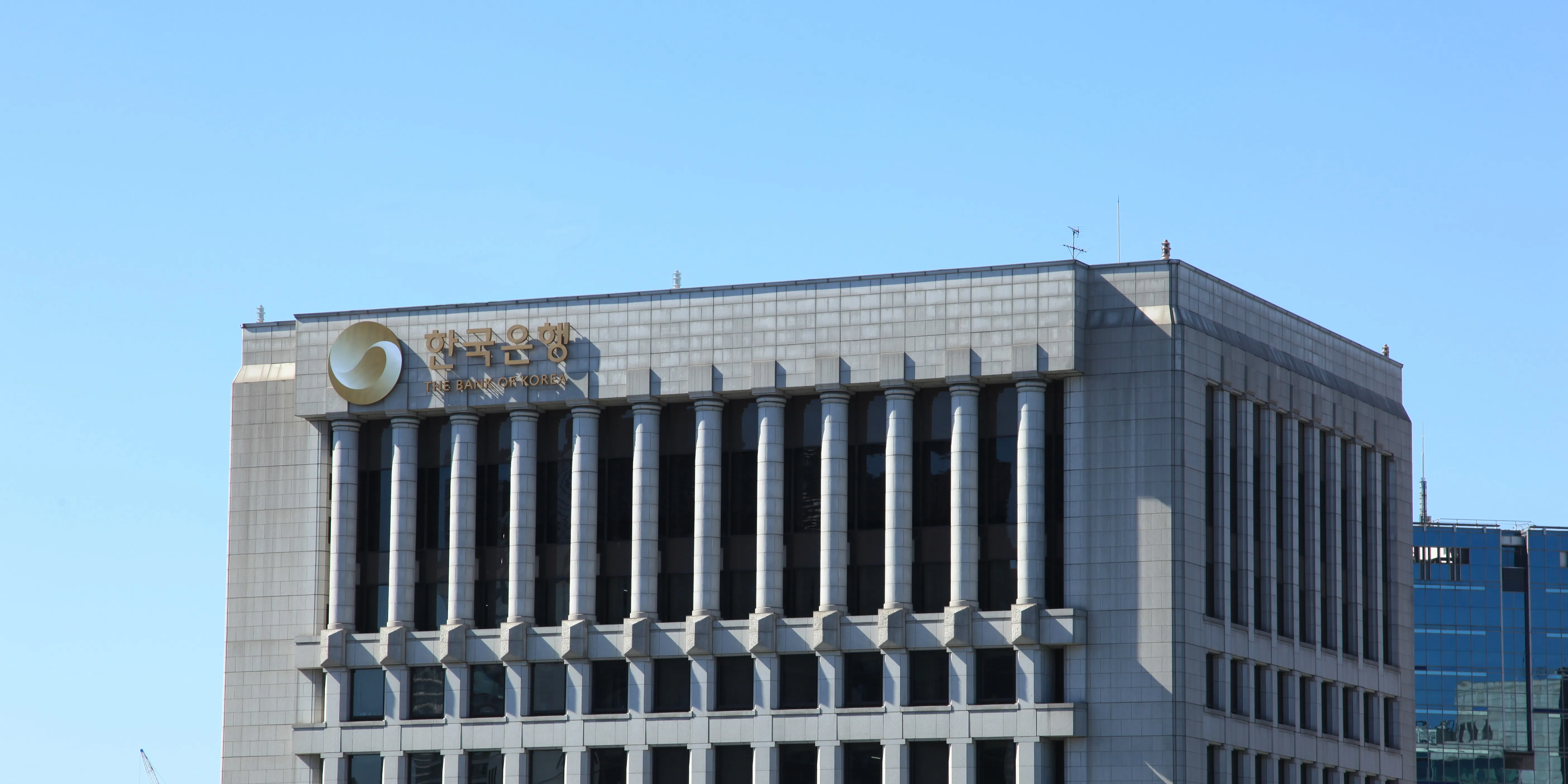
The Bank of Korea is actively preparing to launch the second phase of its wholesale central bank digital currency pilot, dubbed Project Hangang, as early as September. The central bank is expanding the network from seven to nine commercial banks. The goal? To stress-test live deposit tokens and programmable government subsidies on a unified ledger.
The accelerated timeline is a direct defensive strategy. South Korea already boasts near-universal banking penetration. This infrastructure overhaul is not about basic financial inclusion. Instead, the central bank is moving to secure monetary sovereignty against the rapid proliferation of private stablecoins issued by domestic and global technology conglomerates.
Key Details
- The pilot network officially adds regional lenders Kyongnam Bank and iM Bank to the testing consortium.
- Phase two introduces programmable payment features specifically designed to execute government subsidy disbursements.
- The central bank plans to streamline the management of tokenized government bonds to reduce settlement friction.
Expanding the Unified Ledger
The upcoming tests initiate a structural shift from theoretical modeling to live commercial deployment. By incorporating regional lenders like Kyongnam Bank and iM Bank, the central bank is pushing the pilot beyond major financial hubs. The objective is to integrate the broader national banking apparatus.
A central focus of this September deployment involves testing the mechanics of programmable money. Public institutions and regional governments will use the unified ledger to distribute conditional vouchers via tokenized deposits. These digital subsidies automatically restrict purchasing power to intended uses. Funds are spent exclusively on authorized goods or at participating local merchants.
The infrastructure design extends beyond retail subsidies. Leadership at the Bank of Korea recently outlined a broader vision to overhaul institutional settlement. The system will integrate tokenized government bonds alongside the wholesale central bank digital currency, according to a detailed industry report detailing the live deposit token tests and future plans for the ledger. This architecture aims to eliminate transaction friction and mitigate settlement errors inherent in traditional bond markets.
How Programmable Subsidies Alter the Banking Ledger
Implementing programmable money for government subsidies introduces a direct operational change for participating commercial banks. Traditionally, tracking conditional public funds requires extensive auditing and distinct payment rails. Tokenized deposits execute these restrictions directly at the protocol level.
This automated compliance removes administrative overhead for regional governments and charities distributing welfare. By locking the rules of the subsidy into the token itself, the Bank of Korea demonstrates a clear utility advantage over unbacked, private stablecoins. The central bank ensures that public money retains its programmable flexibility without surrendering control to private technology platforms operating outside standard monetary policy.