
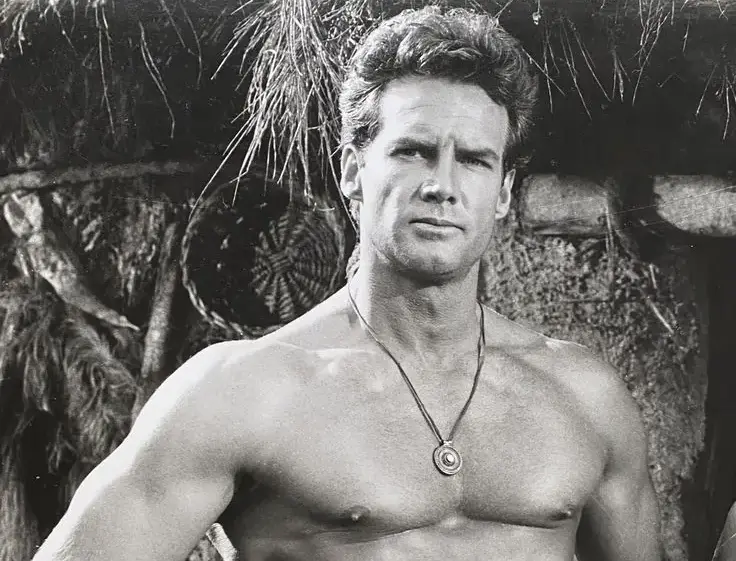
The sword-and-sandal film genre is a spectacle-driven cinema format built around muscle-bound heroes fighting mythological monsters and overthrowing corrupt tyrants in ancient or biblical settings. French film critics in the 1960s formally categorized these movies as pepla (singular: peplum), lifting the name directly from the peplos, an ancient Greek tunic worn by the characters on screen. English-speaking audiences simply nicknamed them sword-and-sandal flicks based on the ubiquitous weapons and footwear found in every scene.
These movies prioritize bright Technicolor visuals, exotic dance sequences, and bare skin over any semblance of historical accuracy. Plots routinely blend real historical figures like Julius Caesar with mythological creatures, focusing entirely on physical action rather than complex dialogue. The core narrative almost always features a solitary hero entering a morally decayed civilization. He fights a power-hungry dictator to restore the rightful sovereign to the throne. Along the way, he inevitably falls into a required love triangle between a virtuous damsel in distress and an evil femme fatale.
The Fusto Archetype and Production Mechanics
You cannot have a peplum without a fusto. That is the Italian term for a muscleman, and he holds the absolute center of gravity for these productions. Studios largely ignored traditionally trained actors. Instead, they hired professional bodybuilders, wrestlers, and athletes to play iconic strongmen like Hercules, Samson, Goliath, Ursus, and the Italian folk hero Maciste. The appeal was entirely physical. Audiences paid to watch these men bend iron bars, lift chariots, and throw boulders.
While the genre draws inspiration from large-scale Hollywood epics, the quintessential sword-and-sandal films were low-to-mid-budget Italian productions. They leaned heavily into extravagant physical sets and colorful, cheap special effects. Because they were shot primarily for an international market, the studios relied on notoriously clumsy English dubbing to export the films quickly. The nickname caught on fast during the 1960s muscleman boom, becoming an international pop-culture phenomenon that filled drive-in theaters across the world.
Tracing the Historical Timeline
The cinematic DNA of the superhumanly strong hero goes all the way back to the silent film era. The 1914 Italian silent film Cabiria first introduced Maciste, a powerfully built and fiercely loyal character played by Bartolomeo Pagano. But the genre truly exploded as a distinct commercial force decades later.
The release of Hercules in 1958 and Hercules Unchained in 1959, both starring American bodybuilder Steve Reeves, shattered international box-office expectations. This financial success threw the Italian film industry into overdrive. Studios set up a rigid assembly line, grinding out dozens of localized copycats to meet intense audience demand. Maciste alone starred in dozens of sequels, fighting everyone from vampires to Genghis Khan.
Simultaneously, massive Hollywood productions provided the high-budget aesthetic template that the Italian filmmakers tried to emulate on a dime. Blockbuster films like Samson and Delilah (1949), Ben-Hur (1959), Spartacus (1960), and Cleopatra (1963) gave the broader historical genre a veneer of cinematic prestige, even while the localized pepla kept things cheap, fast, and highly stylized.
Cultural Subtext and Hidden Taboos
Look past the baby oil and the leather skirts. Film scholars point out that these movies carried serious political weight under the surface. Filmmakers used these ancient settings as a post-WWII reflection on Italy’s own recent history.
The recurring plot of a solitary hero toppling an evil dictator helped Italian artists process their country’s transition from a fascist dictatorship under Mussolini to a post-war democracy. The “barbaric” but pure hero constantly clashes with a “civilized” but wholly corrupt society, usually resulting in the destruction of the tyrant’s palace.
Setting the action in the distant, morally decadent past also gave directors a convenient loophole to explore themes that censors heavily restricted in the 1950s and 60s. The films frequently featured expressions of untamed sexuality and hedonism, waved away by the studios as “historical paganism.” They also leaned heavily into homoerotic overtones, which directors often coded onto vain, villainous emperors.
Where to Watch and Modern Revivals
The original peplum era is heavily archived in cult cinema circles today. Finding the original Steve Reeves films usually requires digging into specialized classic film streaming platforms, boutique Blu-ray releases, or public domain archives.
But the genre did not stay dead forever. Following a decades-long dormancy, the sword-and-sandal format experienced a highly lucrative stylistic revival. Ridley Scott’s Gladiator in 2000 brought the Greco-Roman combat arena back to the big screen. It replaced the cheap practical effects with high-tech digital immersion, spawning its own wave of modern historical epics like Troy and 300.
What Critics and Cult Fans Are Saying
When the peplum boom first happened, mainstream critics were uniformly hostile. They used the term “sword-and-sandal” condescendingly, dismissing the entire category as low-brow trash. The films favored physical spectacle over narrative logic, and reviewers hated the poor dubbing and wooden acting.
But critical consensus shifted over the decades. Modern fans celebrate the camp and melodrama that originally turned off mainstream reviewers. Audiences today appreciate the unique mythic archetypes and the vibrant, unapologetic absurdity of the Italian assembly-line productions. The films are now viewed as a crucial, highly entertaining piece of global cinema history.
That original assembly line crashed almost overnight. Between 1964 and 1965, the market became completely saturated. Audience demand for muscleman films vanished. The highly opportunistic Italian film industry recognized the drop in ticket sales and immediately abandoned the peplum format. The studios abruptly pivoted to the emerging Spaghetti Western format instead, swapping swords for revolvers and ending the era of the fusto just as quickly as it began.