
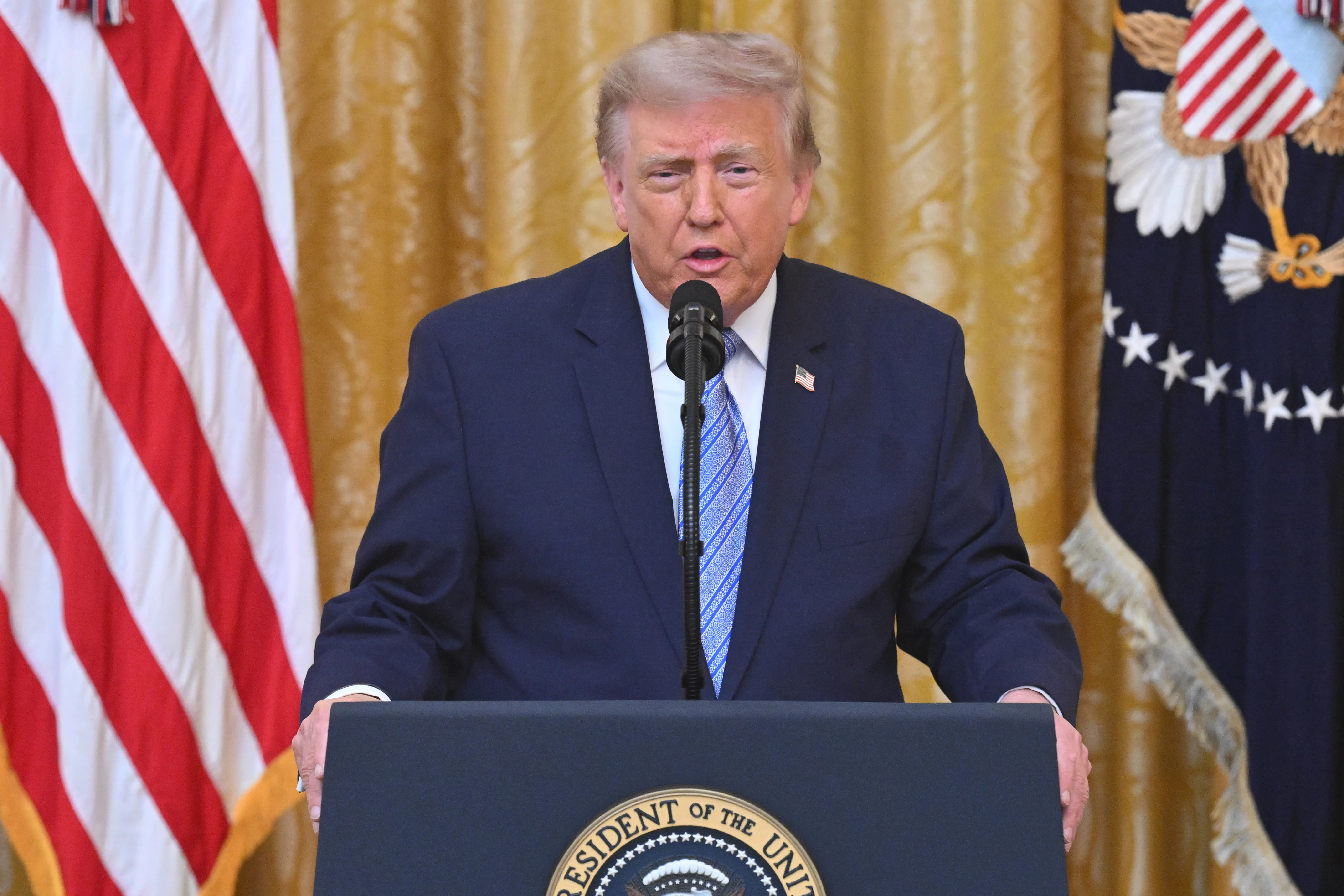
Amid an escalating legislative standoff over voting regulations ahead of the midterm elections, former President Donald Trump delivered a 30-minute primetime address on Thursday reviving allegations of foreign interference in the 2020 vote. The July 16 speech focused heavily on claims that China manipulated the election outcome.
PolitiFact journalists Louis Jacobson and Amy Sherman scrutinized the address, finding that Trump relied on years-old, partially redacted intelligence documents. The reporters noted that the former president conflated what intelligence analysts suggested China may have planned to do with actions the country actually executed. The review found no concrete evidence of altered votes or changed election outcomes.
During the broadcast, Trump alleged that the deep state deliberately concealed damning information regarding this interference from his administration. These assertions were central to a detailed fact-check analyzing his interpretation of the declassified intelligence materials.
The primetime address is a high-profile pressure tactic to force the Senate to pass the SAVE America Act. If enacted, the legislation would mandate that voters provide documentary proof of citizenship, require photo ID at polling stations, and compel states to share voter rolls directly with the Department of Homeland Security. This push has triggered a fierce partisan standoff in Congress.
Senate Minority Leader Chuck Schumer severely criticized the proposed voting requirements, characterizing the bill as Jim Crow 2.0. Independent election experts are also pushing back against the vulnerability claims outlined in the address. Pamela Smith of Verified Voting publicly countered the assertions by detailing the extensive pre-election safeguards currently protecting United States voting systems.
Trump has demanded the passage of the SAVE America Act for months. His legislative pressure campaign recently escalated when he refused to sign a bipartisan housing bill because the voting legislation remained stalled in the Senate. The housing measure ultimately became law without his signature.