
Global markets face a compounding disruption as a severe technology sell-off collides with a sudden spike in oil prices. The instability originates from President Donald Trump’s announcement of an Iranian port blockade and new safe-passage fees in the Strait of Hormuz, triggering widespread risk-off sentiment.
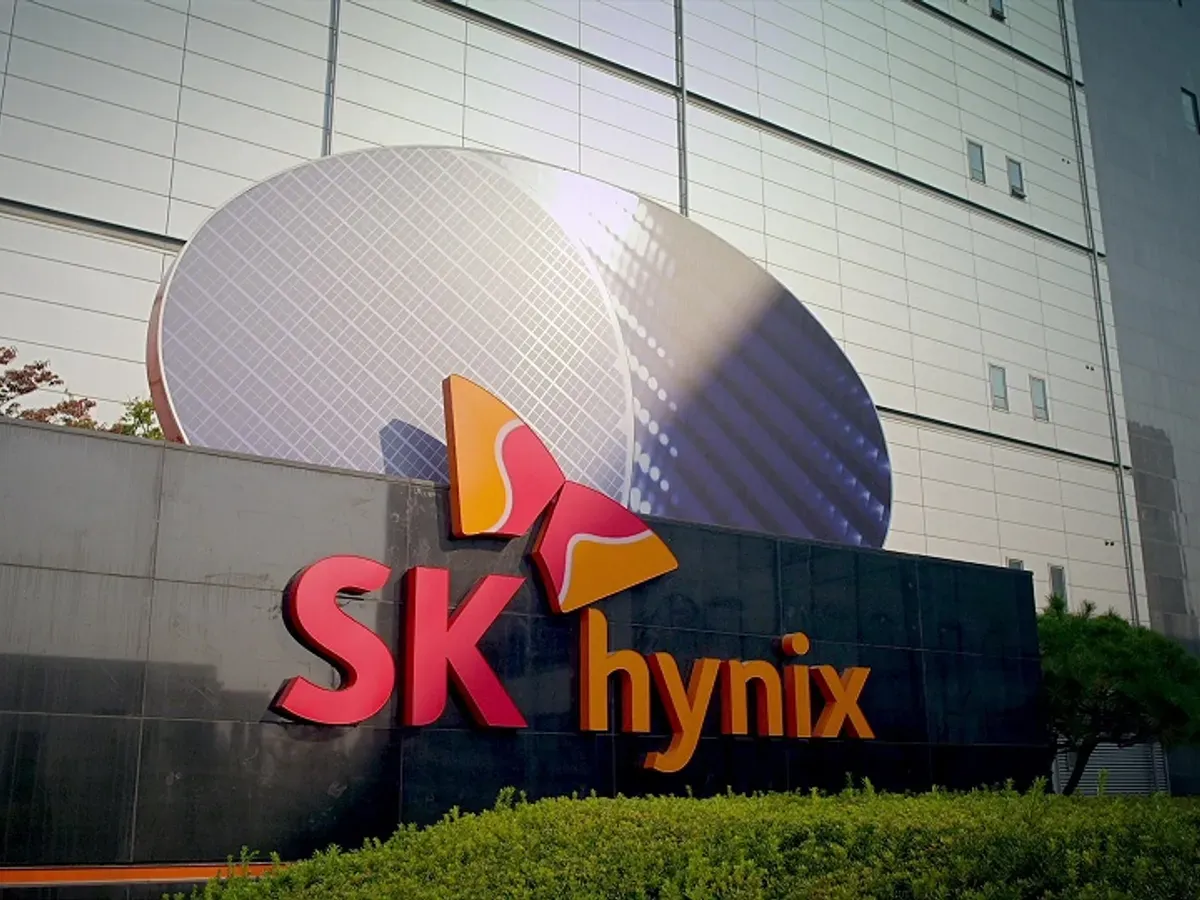
Against this turbulent macroeconomic environment, the unchecked enthusiasm for artificial intelligence hardware is violently swinging toward stock fatigue. South Korean memory giant SK Hynix saw its Seoul-listed shares plummet over 15% on Monday. The result? The historic drop marked the stock’s largest single-day decline in almost two decades.
Key Details
- Market Freeze: The intense sell-off dragged the broader South Korean Kospi index down by 9%, forcing an automatic 20-minute market-wide trading halt.
- Contagion Effect: U.S. competitors suffered parallel drops. SanDisk plunged 8.4%, Western Digital dropped 6.8%, and Micron Technology fell 6.4%.
- Industry Pressures: Analysts attribute the swing to heavy profit-taking and fears that rapid fabrication plant construction could lead to an oversupply cycle.
The contraction follows a starkly different narrative from just last week. SK Hynix recently executed the largest U.S. share sale ever recorded by a foreign company, raising $26.5 billion. The company’s American Depositary Receipts originally priced at $149 and initially surged 14% to open at $170 before Monday’s reversal.
Investors are now looking toward the next major benchmark to gauge the sector’s trajectory. SK Hynix is scheduled to release its second-quarter earnings report on July 29. That disclosure will heavily test analysts’ forecasts of robust growth.
How Capital Spending Amplifies Oversupply Risks
The current volatility is not solely a reaction to geopolitical oil shocks. Institutional profit-taking is accelerating due to underlying fears over heavy capital expenditure. As chipmakers rapidly finance new facilities to meet immediate AI hardware demand, the industry faces the historical threat of an oversupply cycle. If physical manufacturing capacity outpaces actual software monetization, the premium valuations of memory producers will face severe downward pressure across global exchanges.
The Verdict
The memory semiconductor market is entering a highly volatile correction phase. Investors should hold off on accumulating further positions in SK Hynix or its immediate U.S. competitors until the July 29 earnings report provides clarity on forward guidance and capital expenditure limits. The compounding risk of Strait of Hormuz oil inflation makes the near-term tech sector fundamentally unstable.