
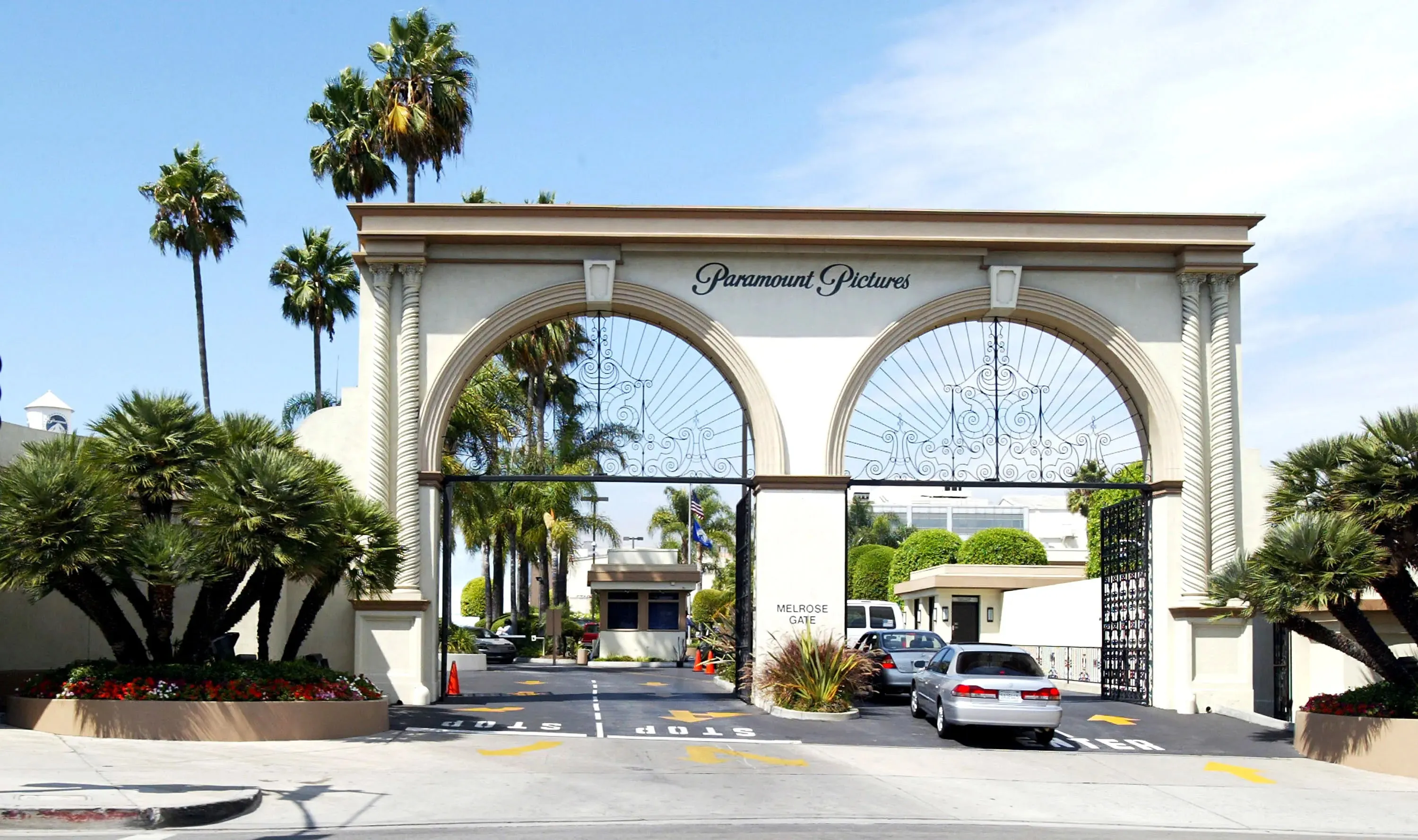
Paramount Skydance successfully removed U.S. District Judge P. Casey Pitts from overseeing the multistate antitrust lawsuit challenging its $111 billion merger with Warner Bros. Discovery. The entertainment giant filed an emergency motion on Wednesday, arguing the judge’s past history as a labor lawyer for the Writers Guild of America presented a direct conflict of interest.
The case now sits with U.S. District Judge Araceli Martínez-Olguín in Oakland. She immediately consolidated three pending antitrust challenges into a single docket. The judicial swap comes just days after California Attorney General Rob Bonta led a 12-state coalition to block the historic media consolidation under Section 7 of the Clayton Act.
The Battle for Hollywood’s Infrastructure
The states argue that combining two of Hollywood’s five major film studios will inflate consumer prices and drastically reduce industry competition. Paramount aggressively rejects this premise. Their legal team insists that merging CBS, HBO Max, CNN, MTV, and Paramount Pictures is a fundamental necessity to survive against streaming dominators like Netflix and Amazon.
A late Wednesday order confirmed the recusal of Judge Pitts and the immediate reassignment to Judge Martínez-Olguín following Paramount’s emergency motion. The U.S. Justice Department had already declined to sue after its regulatory waiting period expired. That left Bonta’s intervention as the foundation of a broader multistate antitrust fight against the $111 billion deal.
And the labor unions are not staying quiet. The Writers Guild of America officially entered the legal crossfire on Tuesday. The WGA filed its own antitrust complaint against Paramount, formally aligning with the state attorneys general over concerns regarding job compression and lowered creator pay.
The Financial Threat of a Restraining Order Delay
But the clock is strictly financial. The state coalition is currently seeking a Temporary Restraining Order to freeze the merger’s target September closing date. If the deal gets legally delayed, it triggers a catastrophic “ticking fee.”
Paramount would be forced to pay Warner Bros. approximately $7 million per day as the courtroom battle drags out. That scales to a staggering $650 million per quarter. For executives orchestrating the largest proposed merger in Hollywood history, the immediate danger isn’t just a blocked merger. It is the cost of standing still.
A court-ordered pause through the fall would rapidly drain capital from both entities. A $650 million quarterly penalty fundamentally alters the financial modeling of the merger, forcing the board to weigh the cost of litigating against the cost of walking away.
The Verdict
Investors should closely monitor Judge Martínez-Olguín’s ruling on the Temporary Restraining Order. If she grants the delay, the compounding daily fees will severely stress the economics of the $111 billion deal. Market watchers must prepare for heightened volatility in both Paramount and Warner Bros. Discovery shares as the September deadline approaches.