
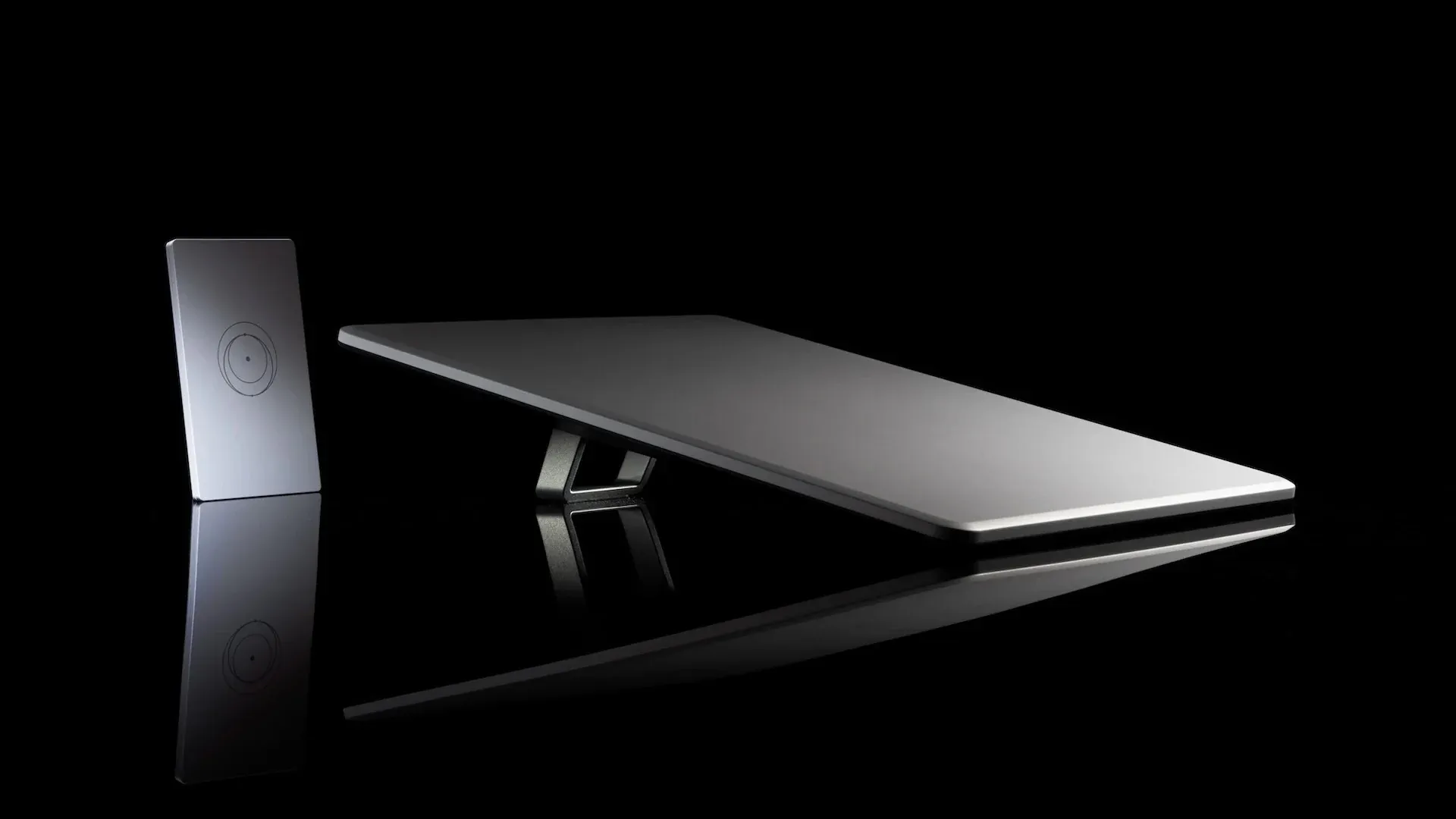
SpaceX just completely overhauled its residential internet hardware. The new Starlink V5 dish is officially shipping to select customers today, bringing extreme reductions in both physical footprint and daily power consumption compared to the outgoing standard V4 model.
This isn’t just a minor cosmetic refresh. Engineers slashed the terminal’s weight down to a highly portable 2.4 pounds, a severe drop from the 6.5-pound V4 unit. And those dreading high electric bills finally get relief. The V5 draws a mere 35 to 50 watts of power, cutting the previous 75-to-100 watt requirement entirely in half.
Specs, Setup, and Speed Compromises
The standard residential kit still costs $349, but the contents look a bit different. The box ditches the bulky traditional router, bundling a Router Mini alongside a built-in kickstand and a pipe adapter to simplify permanent roof installations. Measuring 12.05 by 15.12 inches, the V5 barely eclipses the dimensions of the ultra-mobile Starlink Mini.
You do trade a tiny bit of peak performance for that efficiency. Paper speeds for the V5 top out at 375+ Mbps, slightly lower than the 400+ Mbps ceiling on the V4. For the vast majority of rural users, that slight dip will go completely unnoticed against the drastic usability improvements.
SpaceX is churning these units out at a frightening pace. Down in Texas, the Bastrop manufacturing lines are hitting over 170,000 terminals per week. The company intends to scale that up to 10 million units annually by the end of 2026. Trimming the physical materials and power components translates directly into multi-million dollar cost savings across the production run.
Why the Amazon Leo Threat Forced SpaceX’s Hand
SpaceX didn’t shrink this dish out of pure generosity. They are actively bracing for a brutal hardware war. Amazon recently rebranded its Project Kuiper satellite network to “Amazon Leo,” and they are racing the clock to meet a strict July 2026 FCC mandate. That regulation requires half of their 3,236-satellite constellation to be fully operational in orbit.
Amazon is already rapidly deploying over 300 gateway stations worldwide and preparing to launch its own ultra-compact, entry-level “Leo Nano” terminal. This looming zero-sum competition over entry-level subscribers practically forced Starlink to defensively optimize its hardware footprint and roll out flexible data plans to lock down its 10-million-strong subscriber base.
The Verdict
If you are currently waiting to buy Starlink, hold out for the V5 kit. The incredible power efficiency alone makes it vastly superior for off-grid users, RV owners, or anyone tired of a heavy, power-hungry terminal on their roof. While top-end speed drops slightly, the 375 Mbps peak remains exceptional for residential satellite internet.