
Salads look simple on the menu board. Behind the counter, they act as financial black holes for fast-food operators. The operational costs of serving fresh salads include high-intensity labor for preparation, strict cold-chain logistics, and severe inventory shrink that routinely eats into profit margins. Standard fast-food items like frozen fries arrive ready to drop in a fryer. Fresh greens require an entirely different supply chain.
Most fast-food restaurants operate on a model built for shelf-stable or frozen ingredients. A frozen beef patty sits in a freezer for months without losing value. A head of romaine lettuce begins losing value the second it leaves the farm. Operators face a constant battle against time, temperature, and human error just to keep a salad on the menu.
How The Economics of Fresh Produce Work
Profit margins in the fast-food industry usually sit tight between 5 and 8 percent. Some highly optimized concepts manage to push that near 20 percent. But salads drag those averages down. Margins on fresh greens often drop below 25 percent at the item level. Any minor inefficiency destroys the profit entirely.
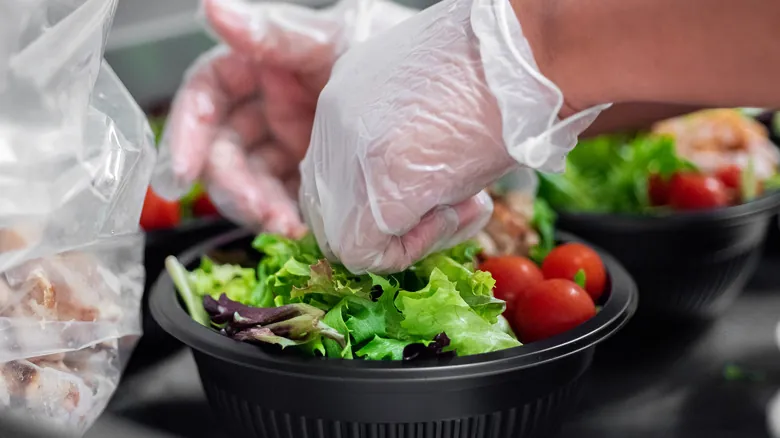
Labor costs consume a massive chunk of this margin. Salads demand constant human interaction. Workers must wash produce, chop vegetables, portion ingredients, and maintain clean assembly stations. Cross-contamination protocols require separate cutting boards, frequent glove changes, and dedicated prep tables. Preparing a single salad often pulls multiple staff members away from other tasks. This intensive preparation drives labor expenses up, often accounting for 22 to 28 percent of total revenue.
Then you factor in the shrink. Wasted food routinely claims between 4 and 10 percent of total food purchases across the industry. Leafy greens and tomatoes go bad quickly. Any forecasting error turns a stack of fresh produce into direct financial loss. A manager ordering just one extra case of spinach for a slow week will watch that entire case end up in the dumpster.
The Hidden Cold Chain and Supply Logistics
Fresh produce demands a rigid cold chain from the farm to the drive-thru window. Fruits and vegetables need precise temperature control to survive transit. Operators keep transport and storage environments hovering right around 0 to 2 degrees Fahrenheit for certain fruits, though leafy greens sit slightly warmer. Even tiny temperature shifts during transit cause premature ripening, rot, and flavor loss. Distributors routinely reject entire shipments at the loading dock for this exact reason.
Keeping track of this ticking clock creates inventory nightmares. Most businesses experience severe visibility gaps. Current research indicates that 95 percent of businesses face inventory management challenges. These problems compound when dealing with highly perishable goods. You order too much, it rots. You order too little, you lose the lunch rush sale.
Crossing state lines or international borders adds another layer of cost. Operators must adhere to strict hygiene and labeling compliance. Miss a step here, and you face shipping delays, fines, or total product recalls. The legal and operational pressure regarding food safety risks forces operators to spend heavily on compliance tracking.
Who Bears the Burden
Customers obviously benefit from these menu options. They get access to healthier, high-fiber food without sitting down at a casual dining restaurant. Fast-food corporations also benefit from a “health halo.” Having a salad on the menu makes the whole brand look better, even if most customers still buy burgers.
But the local franchisees carry the actual financial burden. They absorb the costs of spoilage and extra labor. Rising agricultural costs make this worse. USDA Economic Research Service forecasts for 2026 show rising prices for fresh vegetables. Fast-food restaurants cannot easily hike menu prices to cover this. Customers expect cheap food. If a salad costs fifteen dollars at a drive-thru, people drive away. So, operators absorb the inflation. This reality compresses franchise margins by hundreds of basis points.
Strategies for Cost Optimization
To survive these tight margins, managers turn to data. Many kitchens now run AI-powered tracking systems. These tools run waste audits to monitor exactly what goes in the trash. Instead of buying bulk cases based on gut feeling, managers make dynamic adjustments to their daily orders based on predictive analytics. Smarter purchasing directly helps influence food costs by matching supply to actual local demand.
Menu engineering also plays a big role. You protect your margins by charging a premium for add-ons. Customers readily pay extra for grilled chicken, avocado, or nuts. These items increase satiety and the perceived health value of the meal, while padding the restaurant’s bottom line. The base lettuce might barely break even, but the three-dollar avocado scoop generates actual profit.
Some restaurants also recover costs at the end of the night through surplus redistribution. Platforms like Too Good To Go let operators sell perfectly good, but expiring, produce at a discount. Selling a surplus salad at cost is vastly superior to throwing it in the garbage.
Frequently Asked Questions
Why are salad profit margins lower than other fast-food items?
Salads rely on highly perishable ingredients with short shelf lives. This leads to higher spoilage rates compared to shelf-stable items like fries or bread. The prep-heavy nature of washing and chopping fresh greens also increases labor costs significantly.
What is the biggest source of waste in salad operations?
Waste generally stems from three distinct areas: over-ordering and poor storage at the purchasing level, over-preparation on the prep line, and plate waste where portions are too large for the customer to finish.
How does inflation affect salad pricing in 2026?
USDA ERS forecasts for 2026 indicate rising fresh vegetable prices. Operators cannot easily pass these costs directly to customers without risking a drop in demand. Many franchisees are forced to absorb these costs, compressing their net margins heavily.
Can technology really reduce food waste in restaurants?
Yes. Real-time inventory tracking and AI-driven predictive analytics help operators match their supply closely to actual consumer demand. This reduces the volume of unsold produce that ends up expiring in the walk-in fridge.
The Verdict
Serving fresh salads in a fast-food environment is an operational headache that barely breaks even on paper. The sheer cost of labor, cold-chain logistics, and unavoidable food waste makes it one of the least profitable items a restaurant can sell. However, keeping salads on the menu remains necessary for most major chains. The “health halo” effect draws in diverse groups of diners, and operators can successfully offset the thin margins through smart menu engineering and premium add-on pricing. For franchisees willing to invest in tight inventory tech, the hassle pays off in broader customer acquisition.