
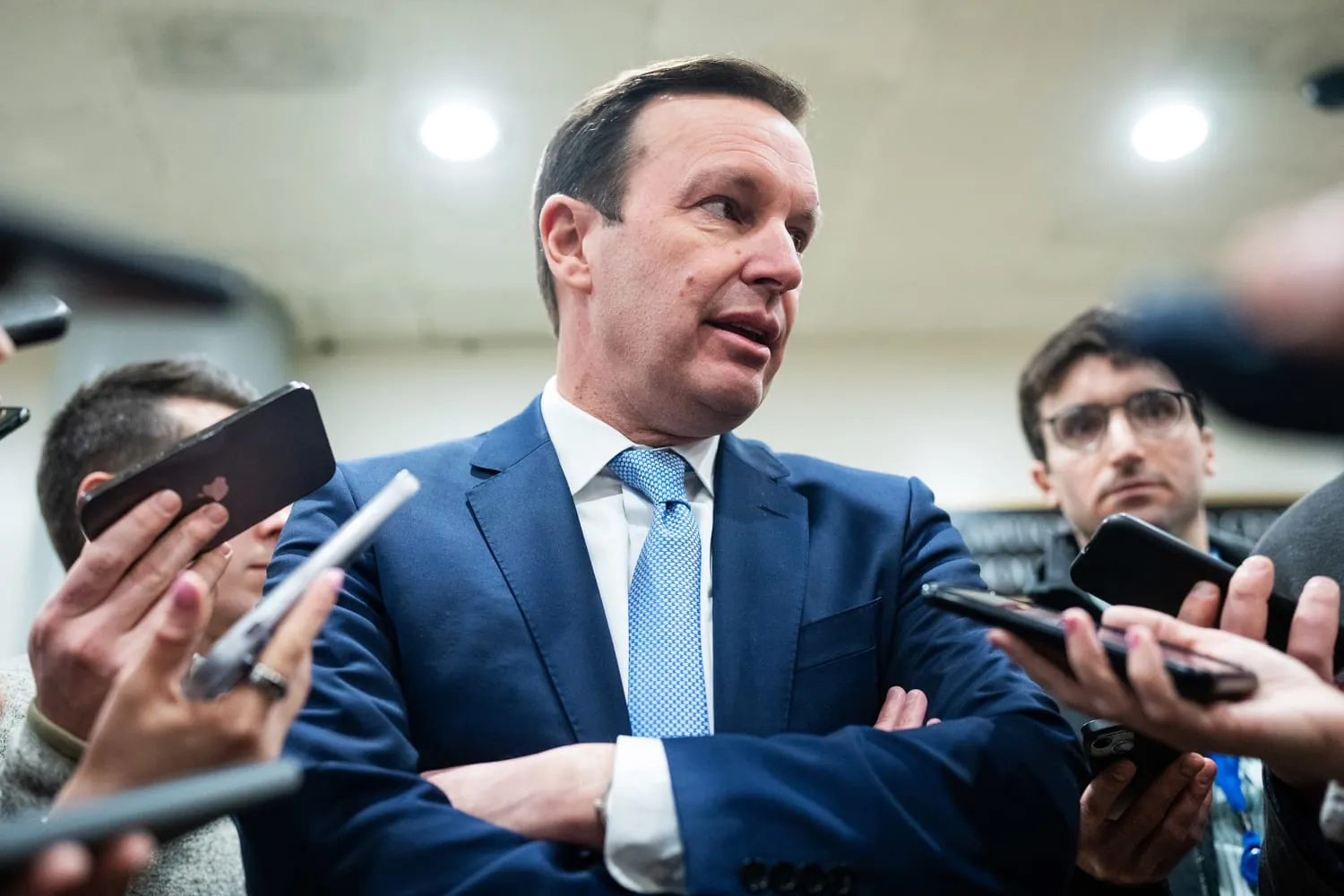
Three prominent U.S. Senate Democrats formally announced their opposition to the Digital Asset Market Clarity Act on Tuesday, July 14, 2026. Senators Chris Murphy of Connecticut, Chris Van Hollen of Maryland, and Jeff Merkley of Oregon united to label the legislation as corrupt, significantly altering the political trajectory of the crypto industry’s premier regulatory goal.
The opposition from these three lawmakers introduces a massive hurdle for the bill’s passage before the upcoming August recess. Because the legislation requires a 60-vote supermajority to advance, the latest legislative report confirms that at least seven Democrats must now break ranks to support the measure, making a floor vote increasingly unlikely in the current session.
The Ethics Conflict Behind the Regulatory Push
The core of the Democratic resistance centers on the lack of guardrails concerning President Donald Trump’s personal financial interests in the digital asset space. According to financial industry analysts, the President and his family have secured estimated profits between $1.4 billion and $2.3 billion from various crypto ventures and meme coins. Critics argue the CLARITY Act fails to address these conflicts of interest.
Senate Republicans, who are spearheading the bill, have repeatedly blocked efforts to include ethical restrictions. Specifically, they have rejected amendments such as the “STOP Trump in Crypto Act,” introduced by Representative Maxine Waters, which sought to prohibit federal officials from profiting off digital assets during their term. The bill’s critics, including a coalition of 80 advocacy organizations, claim that this deregulation effort mirrors the risky financial policies that preceded the 2008 global financial crisis.
Broader Regulatory and Law Enforcement Concerns
Beyond executive ethics, the bill faces scrutiny for its potential to weaken federal oversight. If enacted, the legislation would strip the Securities and Exchange Commission (SEC) of significant authority, transferring the primary supervision of most digital assets to the Commodity Futures Trading Commission (CFTC). Consumer advocates argue this shift would eliminate critical fraud protections that have been in place since 1929.
Law enforcement groups have also voiced alarm over specific provisions. The National Sheriffs’ Association has cautioned that Section 604 of the bill creates new obstacles for investigators. They argue these changes would make it substantially more difficult for authorities to track and apprehend cartels and money laundering operations that utilize decentralized finance platforms for illegal activities.