
The United States and Iran have resumed direct military hostilities. The escalation officially collapses the historic Islamabad Memorandum of Understanding signed on June 17, 2026, plunging the region back into an active military conflict.
The ceasefire broke down following a series of Iranian attacks on tankers passing through the Strait of Hormuz. The US military immediately retaliated, striking targets across at least 10 Iranian provinces, according to Al Jazeera, and inflicting heavy damage on regional infrastructure. The bombardments hit a central trade railway bridge and destroyed a bridge near Mashhad recently utilized by mourners attending the funeral of former Supreme Leader Ayatollah Ali Khamenei.
Casualties continue to mount. Confirmed fatalities include a soldier, multiple fishermen in Hormozgan, and a firefighter working in Sistan and Baluchestan.
The rapid escalation unravels weeks of intense mediation led by Pakistani Prime Minister Shehbaz Sharif. The original June 17 framework established a 60-day negotiation window, an IAEA uranium downblending mandate, and a $300 billion economic reconstruction plan, as detailed in a recent policy analysis published by Drishti IAS. The agreement was also designed to lift the ongoing US naval blockade.
Now, those diplomatic avenues appear closed. Analysts point out that Islamabad currently holds very few diplomatic tools to halt the violence. This marks the third complete breakdown in peace efforts since April 2026.
The fallout is already crossing borders. Qatar, which acted as a fellow mediator alongside Pakistan, has been dragged directly into the hostilities. Qatar’s Ministry of Interior confirmed that Iranian missiles and drones struck the Gulf state. Debris from interceptions injured three people, including one child.
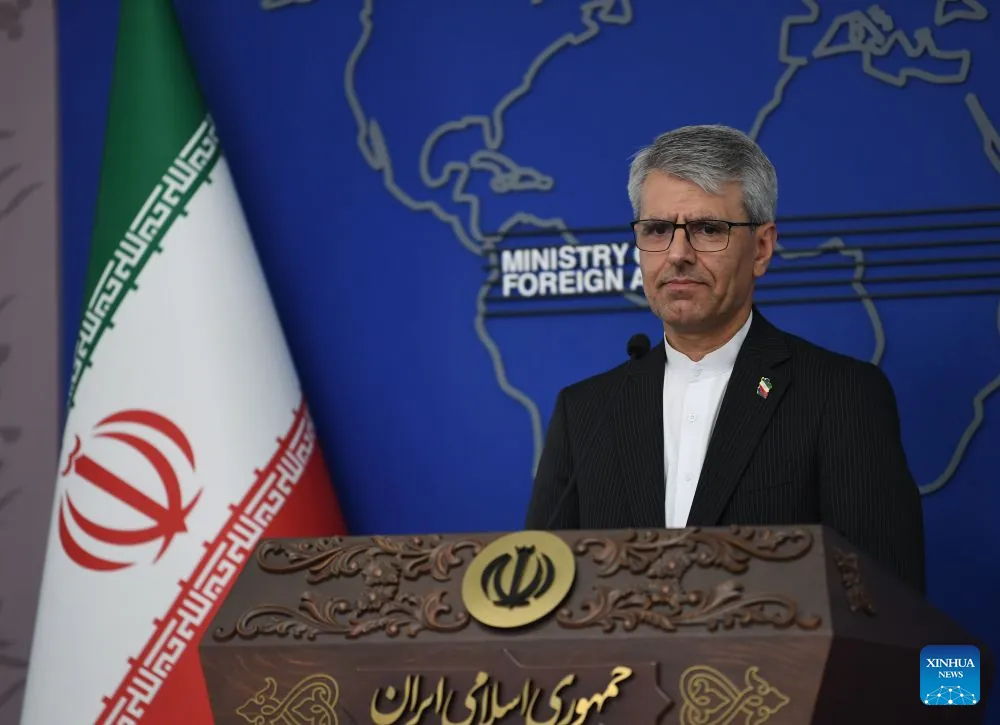
Tehran maintains the US is responsible for the collapse. Iranian Foreign Ministry spokesperson Esmaeil Baghaei explicitly accused Washington of violating nearly all parts of the June agreement within 25 days of its signing.
The Verdict: The total collapse of the June 17 agreement leaves mediators with few remaining options. With both nations exchanging direct fire and collateral damage spreading to Qatar, the initial economic incentives structured by Pakistan have failed to prevent a wider regional conflict.