
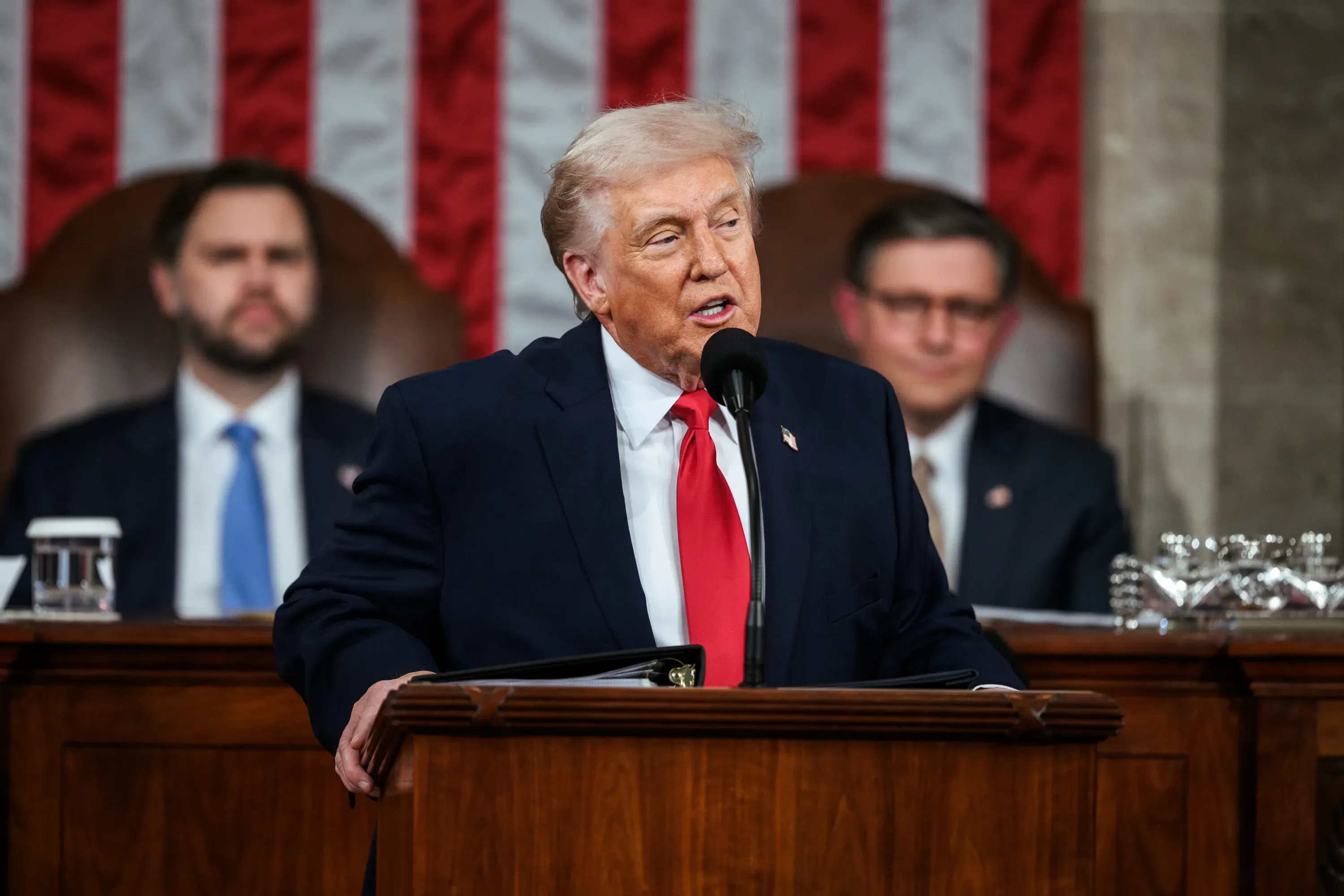
President Donald Trump is pushing the U.S. Senate to pass the Digital Asset Market CLARITY Act immediately as lawmakers return to Washington today. With roughly 20 working days before the chamber adjourns for its August 7 summer recess, the administration is leaning on a geopolitical ultimatum to whip votes. Secure the crypto industry onshore, or hand the financial future directly to China.
The legislative push attempts to resolve years of regulatory ambiguity and jurisdictional turf wars between federal agencies. Without a unified framework, American digital asset firms have faced regulation by enforcement. This environment has consistently stalled domestic innovation and pushed capital overseas.
The mathematics in the Senate are tight. Passing the bill requires clearing a 60-vote threshold. That means all 53 Republicans and at least seven Democrats must vote in favor. Trump publicly criticized traditional financial institutions for stalling the legislation, accusing them of protecting their own record profits at the expense of American technological dominance.
Traditional banking groups are fiercely lobbying against the framework. The American Bankers Association and the Bank Policy Institute are warning of “deposit flight” if crypto platforms gain bank-like privileges. You can see the exact contours of this opposition in a detailed market breakdown by Mitrade outlining the specific policy compromise regarding stablecoins. Under the proposed rules, stablecoins could pay “activity-based rewards” while traditional passive yields would remain banned.
Support is emerging from unexpected sectors. The National Organization of Black Law Enforcement Executives signaled approval for the bill’s updated illicit finance tracking provisions. That backing gives bipartisan cover to lawmakers concerned about decentralized finance platforms acting as money laundering vehicles.
How the SEC to CFTC Jurisdiction Transfer Alters the Market
If the CLARITY Act passes, it will become the first comprehensive federal regulatory framework for digital assets in United States history. The immediate mechanical change is a hard shift in regulatory jurisdiction.
Oversight of decentralized digital assets like Bitcoin will formally transfer from the Securities and Exchange Commission to the Commodity Futures Trading Commission. This ends the threat of sudden securities lawsuits for decentralized protocols. It provides the exact legal certainty institutional capital requires before allocating billions into digital asset markets rather than traditional equities.