
European Union foreign ministers convened in Brussels on Monday to debate imposing sanctions and a potential import ban on products from illegal Israeli settlements in the occupied West Bank. The proposed trade restrictions emerge against the backdrop of escalating violence by Israeli settlers against Palestinians, continued settlement expansion, and the broader humanitarian crisis in Gaza.
The debate hinges on a newly drafted European Commission paper presenting three primary options to restrict commerce. Those options include implementing an import licensing system, applying prohibitive tariffs to render trade economically unviable, or enforcing a complete import ban. The operational framework of the EU-Israel Association Agreement currently denies preferential trade terms to goods from occupied territories, but does not entirely bar them from the European market.
- A divide formed over procedural voting rules. Proponents argue the ban is a trade policy requiring only a qualified majority of 15 member states.
- Germany officially blocked the EU-wide move on Monday, advocating for unanimous approval and direct negotiations.
- The core legal foundation for the trade push stems from the July 2024 International Court of Justice advisory opinion declaring Israel’s occupation unlawful.
Proponents of the ban, including Spain, Ireland, Belgium, and the Netherlands, have pushed for swift action. Some of those nations have already implemented national restrictions. Frustration over procedural delays surfaced publicly on Monday. Belgian Foreign Minister Maxime Prevot accused the European Commission of stalling the process, characterizing the proposed options as a mere “bone to gnaw on.”
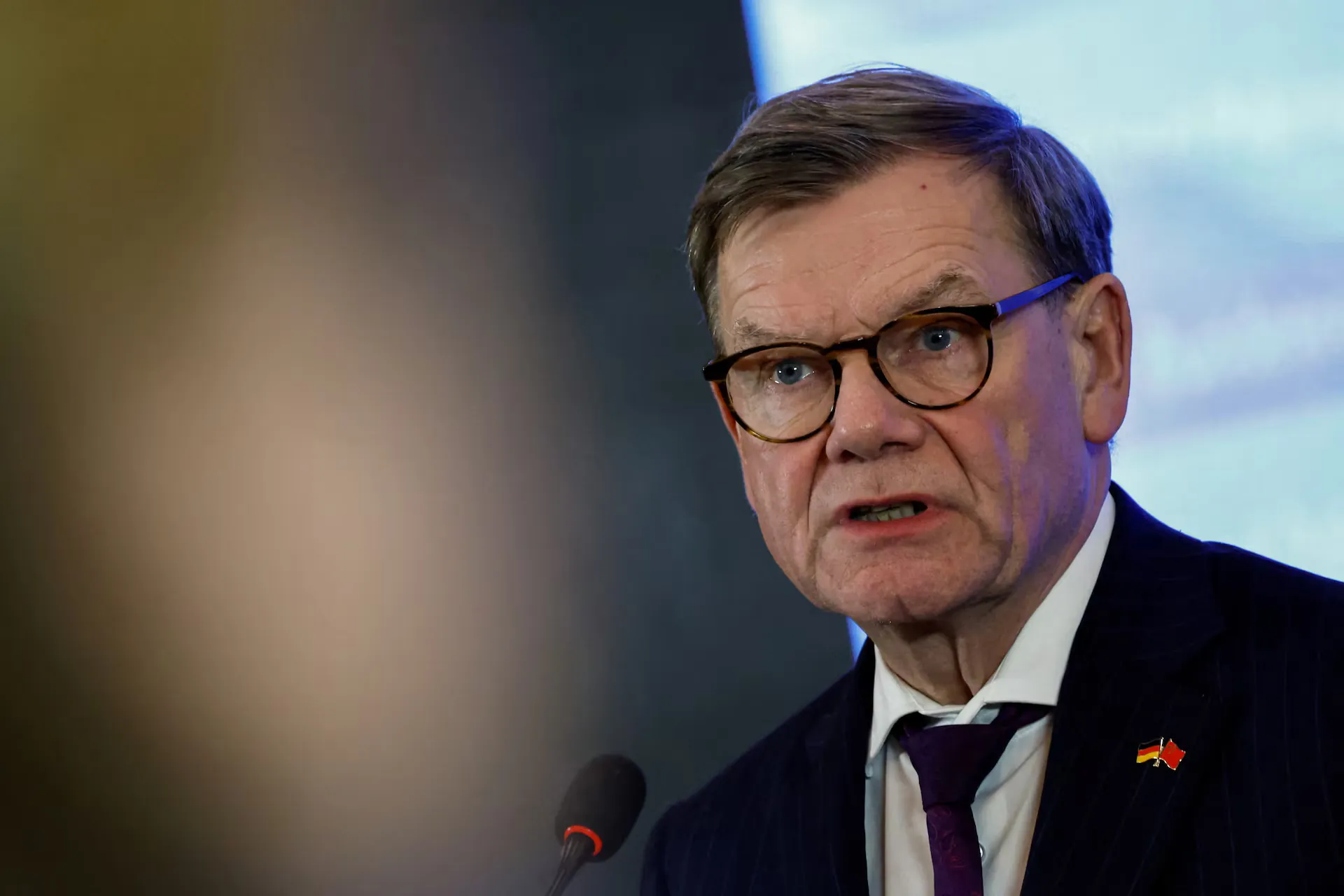
Germany emerged as the primary roadblock to the initiative. Berlin formally opposed the ban, claiming it complicates diplomatic channels and leaves the country increasingly isolated on the issue. German Foreign Minister Johann Wadephul explicitly rejected the proposed EU sanctions. He argued that the measure requires unanimous approval from all 27 member states to advance.
The urgency of the debate aligns with the increasing physical conflict in the occupied territories. European Union foreign policy chief Kaja Kallas stated that the situation in the West Bank is “intolerable” and is systematically destroying the viability of a two-state solution.