
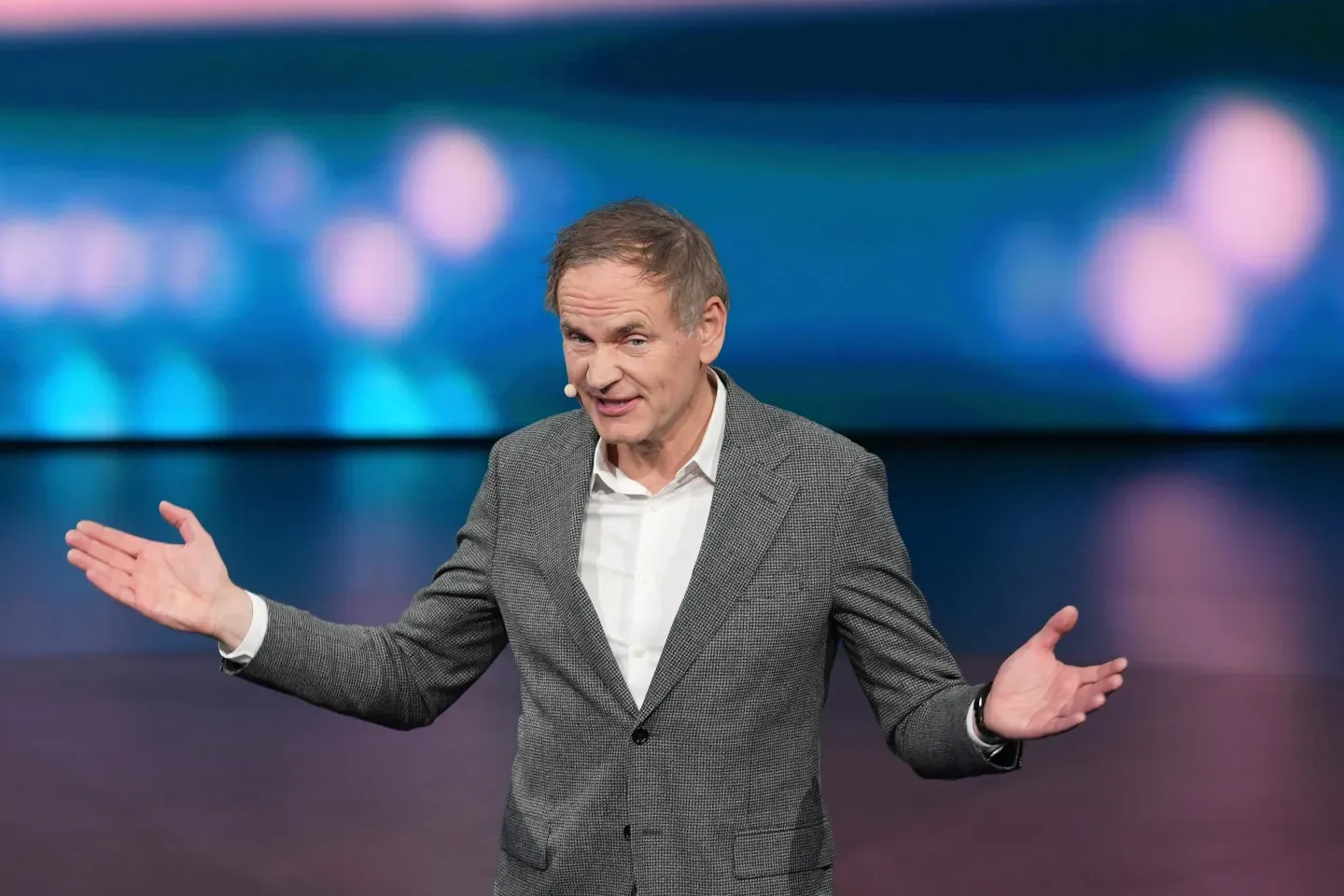
In a report authored by Adrian Padeanu at Motor1.com, Volkswagen Group CEO Oliver Blume admitted to the German newspaper Bild that the company’s fundamental crisis is slim profit margins, not a lack of consumer demand. This corporate restructuring push is being driven by soaring domestic energy and labor costs in Germany, a persistent slump in global electric vehicle demand, and aggressive price competition from Chinese automakers.
Blume confirmed plans to radically streamline the automaker’s portfolio to prioritize higher-margin vehicles. The company warned that up to 50 percent of models across core brands like VW, Audi, Skoda, and Porsche could be eliminated as the traditional business model of manufacturing in Germany for global export proves financially unviable.
Scaling Back Production Ambitions
According to the interview published on Sunday, the sheer popularity of VW’s current lineup is failing to translate into sustainable revenue. This public pivot follows a tense July 9 supervisory board meeting, where unions successfully blocked Blume’s initial push for 100,000 immediate job cuts and the potential closure of four German plants in Zwickau, Emden, Hanover, and Neckarsulm.
To drastically reduce manufacturing complexity, the available equipment options and trims for surviving models will be slashed by up to 75 percent as the automaker targets a reduction in global production capacity to 9 million vehicles.
While the immediate threat of mass layoffs was stalled by union intervention, rumors cited by Bild suggest the ultimate cost-cutting plan could still sever up to 120,000 jobs, equating to roughly 20 percent of the global workforce. The aggressive product-slashing strategy directly mirrors recent moves by Ford, where CEO Jim Farley discontinued historically popular vehicles like the Fiesta and Focus because high production costs rendered them unprofitable despite strong consumer demand.
Subsidiary brands are already attempting to distance themselves from the corporate panic. Skoda issued a distinct public statement to Reuters to shield its operations, confirming its factories are running at full capacity and noting there is no immediate impact on its independent logistics.
How Excessive Complexity Strangled VW’s Margins
The core issue facing the Volkswagen Group is not a failure to sell cars, but the ballooning expense of offering too many variations of them. Building a vast array of models with infinite trim configurations exponentially increases supply chain logistics, testing requirements, and assembly line retooling.
By cutting the available options by 75 percent, Volkswagen can streamline parts procurement and accelerate assembly times. This approach shifts the corporate strategy away from trying to serve every market niche and toward a high-volume, low-complexity manufacturing model. If the core VW brand cannot lower its unit costs, it will struggle to compete with leaner manufacturers operating outside of Germany’s high-cost industrial sector.