
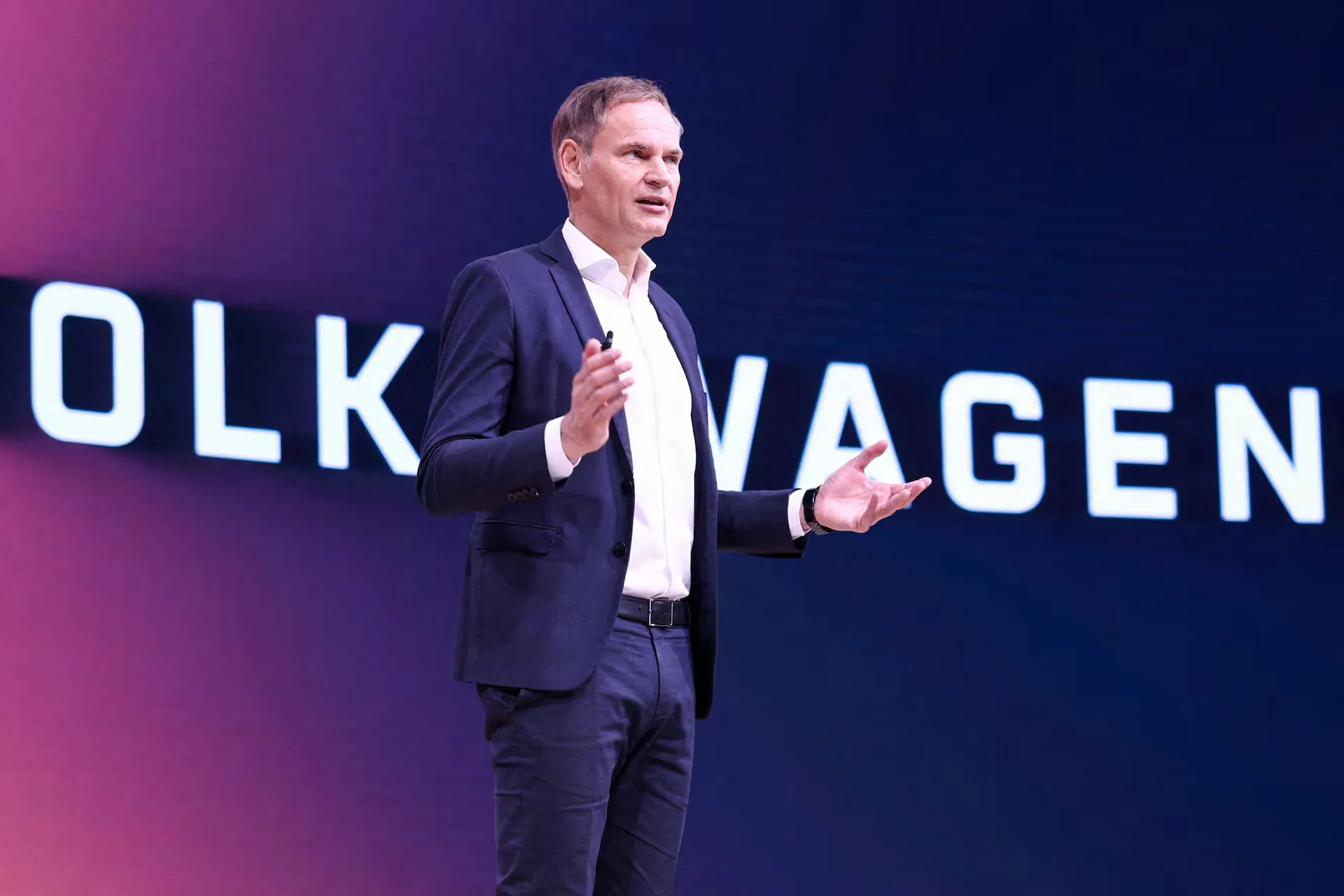
Volkswagen’s supervisory board officially rejected CEO Oliver Blume’s restructuring proposal by a vote of 12 to 19 on Thursday. The failed pitch sought to eliminate 100,000 jobs across the German auto group to offset plunging sales and severe unprofitability.
The automaker is currently suffocating under soaring domestic labor and energy costs. A flood of cheap Chinese electric vehicles is eroding their European market share, while US import tariffs choke off overseas relief. Blume wanted to cut 15% of the company’s 657,000-person global workforce to stop the financial bleeding.
His 12-point plan targeted four major factory closures. Hanover, Emden, Zwickau, and Audi’s Neckarsulm site were all marked for shutdown. Had the board approved the measure, it would have surpassed General Motors’ elimination of 74,000 jobs in 1991 to become the largest corporate layoff in automotive history.
But the workforce aggressively turned against management. The IG Metall industrial union organized coordinated nationwide strikes. Hundreds of workers marched directly on the Wolfsburg headquarters. Concurrent protests broke out at Audi in Ingolstadt and Porsche in Zuffenhausen. The state government of Lower Saxony, which holds a 20% voting stake in the company, aligned with labor representatives on the board to block the factory closures. This wall of opposition was fueled by the wider threat of Chinese competition and rapid union mobilization across the European auto sector.
How the Veto Forces Immediate Production Reductions
Blume failed to secure the layoffs. The board did, however, authorize structural rollbacks to salvage the balance sheet. The immediate refusal of straight layoffs forces Volkswagen to find savings in hardware and efficiency rather than payroll.
Volkswagen is now officially shrinking its industrial footprint. The company will cut production capacity from 10 million down to 9 million vehicles annually. To streamline engineering and manufacturing costs, executives also plan to reduce the overall model lineup and trim internal complexities by up to 50%.
Lower Saxony’s veto power effectively guarantees that any future corporate cost-cutting measures will have to bypass direct job destruction in Germany. Volkswagen must now attempt to restore profitability strictly through manufacturing consolidation and lower output targets.