
Major U.S. airlines including Delta, American, and United are reporting immediate traffic gains driven by the ongoing FIFA World Cup hosted across North America. This localized influx of international travelers arrives precisely as the aviation sector manages stringent summer capacity constraints, implemented after Strait of Hormuz disruptions drove up jet fuel costs and forced the International Air Transport Association to slash regional profit forecasts to $9.4 billion.
Delta Air Lines chief executive Ed Bastian framed the tournament as a “wonderful advertisement” for the United States during the company’s Q2 earnings call on Friday. The carrier anticipates the sprawling 16-city event will permanently enhance the mix of international inbound travel over the next twelve months.
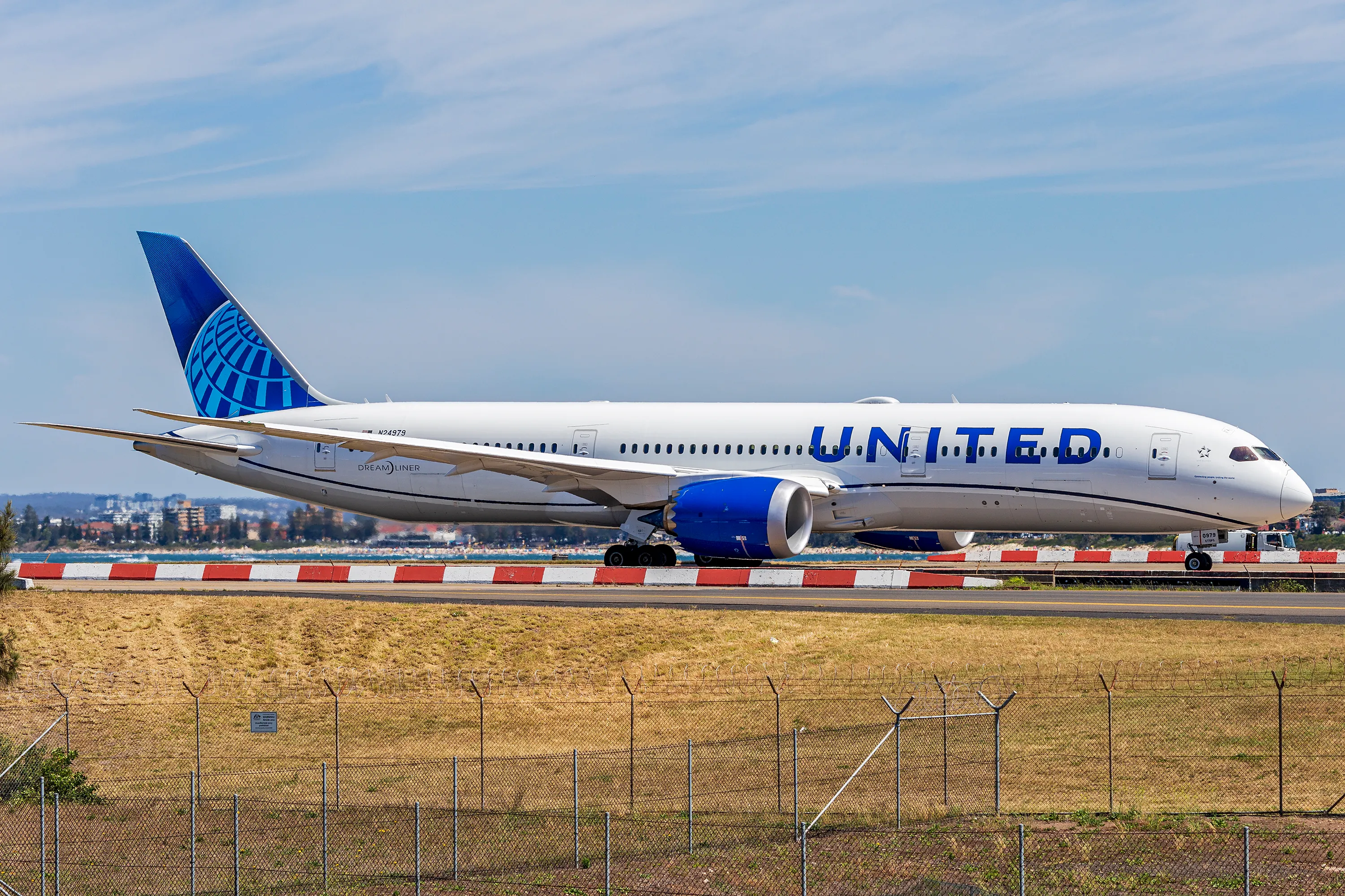
United Airlines reported a nearly 20% increase in bookings directly tied to tournament host cities. Meanwhile, American Airlines capitalized on its designation as the event’s exclusive regional sponsor. According to FIFA’s official commercial announcements, American acts as the Official North American Airline Supplier.
As part of that commercial footprint, American Airlines expanded its schedule to include over 27,000 additional seats across 12 targeted routes. Delta Chief Commercial Officer Joe Esposito noted that while the immediate financial return in the second quarter wasn’t “huge,” the demand surge is highly visible on a “flight by flight” basis.
The operational scope of the tournament forces an unprecedented cross-continental logistical effort. With 104 matches spreading from Canada to Mexico, rolling demand is pushing regional infrastructure to its limits, resulting in a 42% spike in business-class airfares as an estimated five million fans traverse the continent.
How Pre-Tournament Margin Protection Benefited Legacy Carriers
The current revenue tailwinds originate directly from a defensive posture taken earlier this spring. Before the tournament commenced, major carriers including United, Delta, and Alaska Airlines proactively cut their summer capacity by roughly 4 to 5 percent to protect operating margins against volatile fuel prices.
That artificial scarcity collided directly with the peak World Cup travel phase. While American Airlines aggressively utilized its domestic network for the early group stages, United Airlines is structurally positioned to capture the highest-margin traffic during the knockout rounds. United maintains a dominant hub proximity to New Jersey’s MetLife Stadium, where the championship final is scheduled for July 19. Investors will see the preliminary financial data detailing this regional surge when United reports its earnings on July 16, followed by American on July 23.