
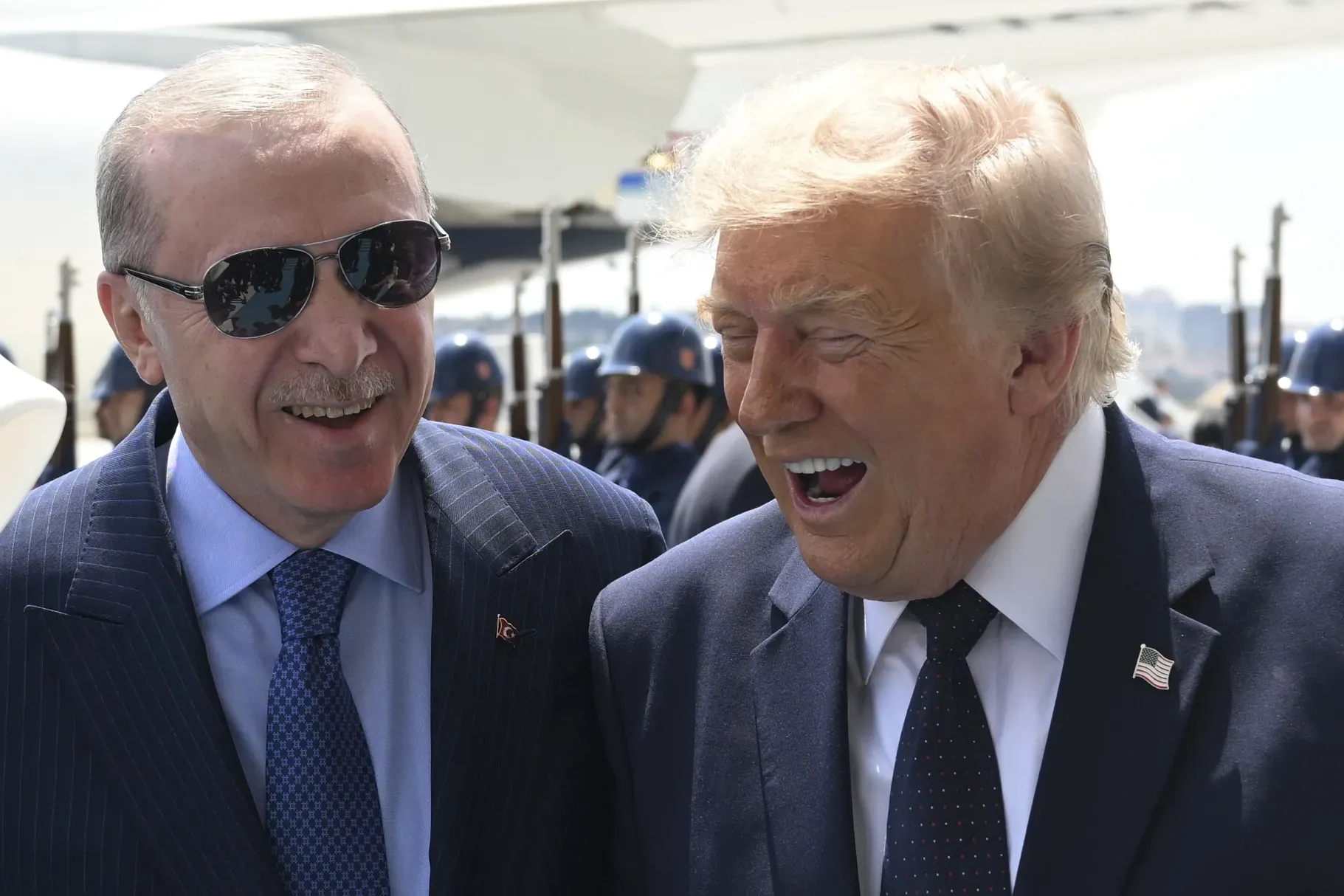
U.S. President Donald Trump declared the preliminary ceasefire agreement with Iran effectively over on Wednesday, following a severe military escalation in the Strait of Hormuz. The collapse of the diplomatic pause arrives amidst the geopolitical vacuum created by the February death of Iran’s Supreme Leader Ayatollah Ali Khamenei.
Speaking to reporters at the NATO Summit in Ankara, Turkey, on July 8, Trump dismissed the prospect of upcoming peace negotiations. He referred to Iranian leaders as “scum” and stated, “We hit them very hard last night, and we’ll probably hit them hard again tonight.”
The diplomatic breakdown follows a rapid exchange of fire across the region. U.S. Central Command struck over 80 Iranian targets, including air defense systems, and neutralized more than 60 Islamic Revolutionary Guard Corps boats according to Time. The American military action was executed in response to Iranian attacks on three commercial vessels navigating the Strait of Hormuz.
Iran immediately retaliated by firing on U.S. military positions stationed in Kuwait and Bahrain. At the Ankara summit, NATO Secretary General Mark Rutte publicly supported the American military response, calling the strikes “absolutely necessary” to secure international freedom of navigation.
Officials in Tehran swiftly rejected the American characterization of the conflict. Iranian parliamentary speaker Mohammad Bagher Ghalibaf and Deputy Foreign Minister Kazem Gharibabadi accused the U.S. of violating the June 17 Memorandum of Understanding by abruptly reinstating harsh sanctions on the nation’s oil exports. The ongoing diplomatic disputes further complicate the permanent peace negotiations that were scheduled to begin after Khamenei’s prolonged state funeral.
International financial markets reacted instantly to the prospect of a permanent closure of the Strait of Hormuz. The international benchmark Brent North Sea crude spiked 8 percent, briefly pushing past $80 per barrel, while the Dow Jones and major European equities recorded sharp losses on the threat of surging global energy costs.