
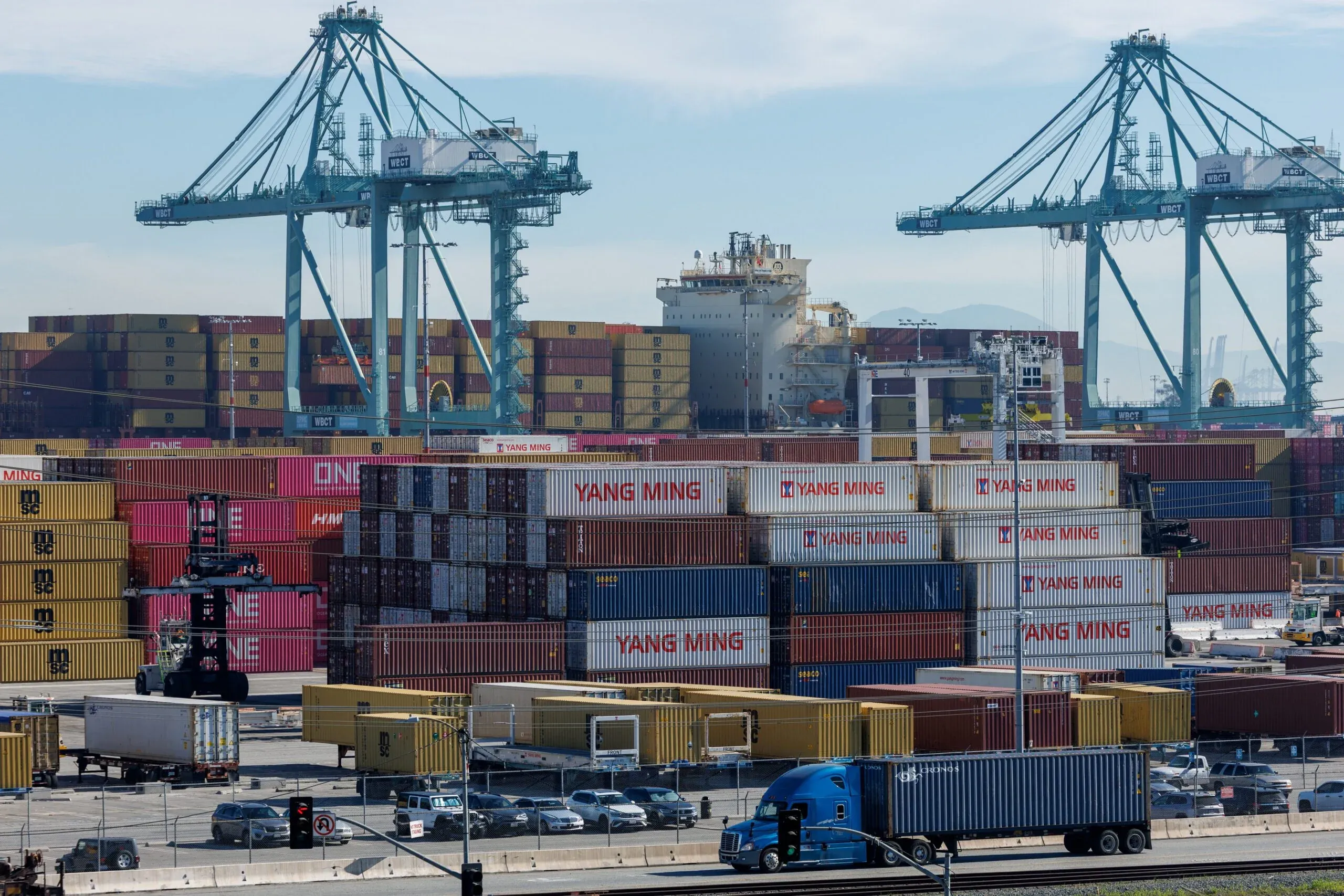
Import tariffs are taxes levied by a government on foreign goods and services when they cross the border. But they rarely function the way politicians describe them in stump speeches. A stubborn misconception is that the foreign exporting nation cuts a check to pay the tariff. That is false. When a government applies a new border tax, the domestic importing company pays it directly at customs.
Understanding how this financial burden ripples through the economy requires looking past the rhetoric and digging into the raw data. According to a detailed breakdown by Oxford Economics, governments typically use these taxes to raise federal revenue, correct perceived trade imbalances, and protect domestic industries. They calculate these fees either as a percentage of the item’s value or as a fixed dollar amount per unit. The intended goal is to shield local businesses, but the mechanical reality of global trade makes the actual outcome far more complicated.
How Tariff Pass-Through Works
The primary objective behind any import tax is to artificially raise the price of foreign goods. By making imported products more expensive, lawmakers hope to make domestically produced alternatives financially attractive to local buyers. But getting from a border policy to a store shelf involves a rigid sequence of events.
Here is exactly how a tariff moves through the domestic supply chain:
- The Border Hit: A domestic manufacturer orders specialized steel from overseas. When the shipment arrives at the port, the local manufacturer must pay the new tax directly to customs before they can legally claim their cargo.
- The Cost Calculation: The manufacturer now holds the exact same steel they bought last year, but their production costs just jumped. The executive team has to decide whether to eat the cost and accept lower profit margins, or raise the wholesale price of their finished product.
- The Pass-Through Rate: Most businesses refuse to absorb the loss. They pass the burden along. Research conducted by Gita Gopinath and Brent Neiman at the Cato Institute revealed that the pass-through rate to U.S. importers and consumers routinely reached well over 90 percent during the 2025 tariff episodes.
- The Retail Reality: The local retailer buys the finished product at the new, inflated wholesale price. To maintain their own profit margins, they hike the final retail price paid by the everyday consumer.
Who Benefits When Imports Get Expensive?
Sure, the supply chain gets squeezed. But import taxes do offer real, measurable advantages to specific domestic sectors. Reduced foreign competition gives local producers a captive market. When consumers balk at the inflated prices of imported items, demand naturally shifts back to local alternatives.
As demand for domestic products surges, local manufacturers often need to expand their facilities. They invest capital into new domestic supply chains and hire more workers to hit their aggressive new production quotas. Tariffs also give struggling or “infant” industries the breathing room they need to scale up their operations. Without a tax barrier, these emerging companies often get instantly undercut by established, mass-producing international rivals.
But this protective bubble has a hard limit. Many domestic factories cannot source everything they need locally. They rely heavily on imported raw materials like aluminum, plastics, or highly specialized electronic components. When a supplier gets slapped with a trade penalty, the sudden cost spikes directly challenge domestic manufacturers. Local businesses have to scramble to find alternative sources in non-tariffed countries. Establishing those new relationships or nearshoring production takes immense time, investment, and logistical restructuring.
Real-World Case Studies in the Supply Chain
The theory of protectionism sounds neat on paper. But looking at the 2025 and 2026 economic data shows a much messier reality. The price tags on everyday goods tell the story better than any textbook.
According to research from economists at Econofact, retail tracking data showed a noticeable single-digit climb in the price of imported goods relative to pre-tariff trends. Specific consumer sectors saw massive price jumps. The cost of imported carpets and floor coverings soared past 50 percent, while imported clothing saw a steady hike of over 20 percent.
Heavy industry feels the exact same pressure. Tariffs on Canadian timber, combined with aggressive duties on imported steel and aluminum, pushed the cost of commercial building materials significantly higher in recent years. Analysts found that these material costs routinely jumped over 30 percent. This places sustained financial stress on domestic construction companies and developers trying to finish housing projects under budget. If the materials cost more, the final house costs more.
And there is a strange economic quirk regarding untaxed goods. Historical and recent data shows that even domestically produced items that compete with tariffed imports often get more expensive. Because local producers face less pressure from cheap foreign goods, they frequently raise their own prices to maximize profits. A classic example occurred when domestic clothes dryer prices rose substantially right after new tariffs hit imported washing machines.
Key Considerations for the Global Market
You cannot look at trade policy in a vacuum. When one country throws up a border tax, trading partners frequently respond with their own retaliatory tariffs. This severely damages domestic manufacturers who rely heavily on selling their finished goods in overseas markets. A local factory might win domestic market share, but lose its entire European or Asian customer base overnight.
Economists also warn about long-term innovation stagnation. Permanently shielding domestic manufacturers from global competition can lead to lazy market inefficiencies. Without the constant pressure of foreign rivals trying to build a better or cheaper product, domestic industries may lack the financial incentive to innovate.
Finally, broad economic analysis reveals a harsh truth about who actually pays the bill. While import taxes affect all income brackets, they essentially act as a regressive tax. Lower-income households spend a much larger proportion of their income on physical consumer goods. That means they end up shouldering a disproportionately heavy burden of the retail price increases caused by these border policies. The manufacturer pays the tax at customs, but the everyday consumer funds the entire operation.