
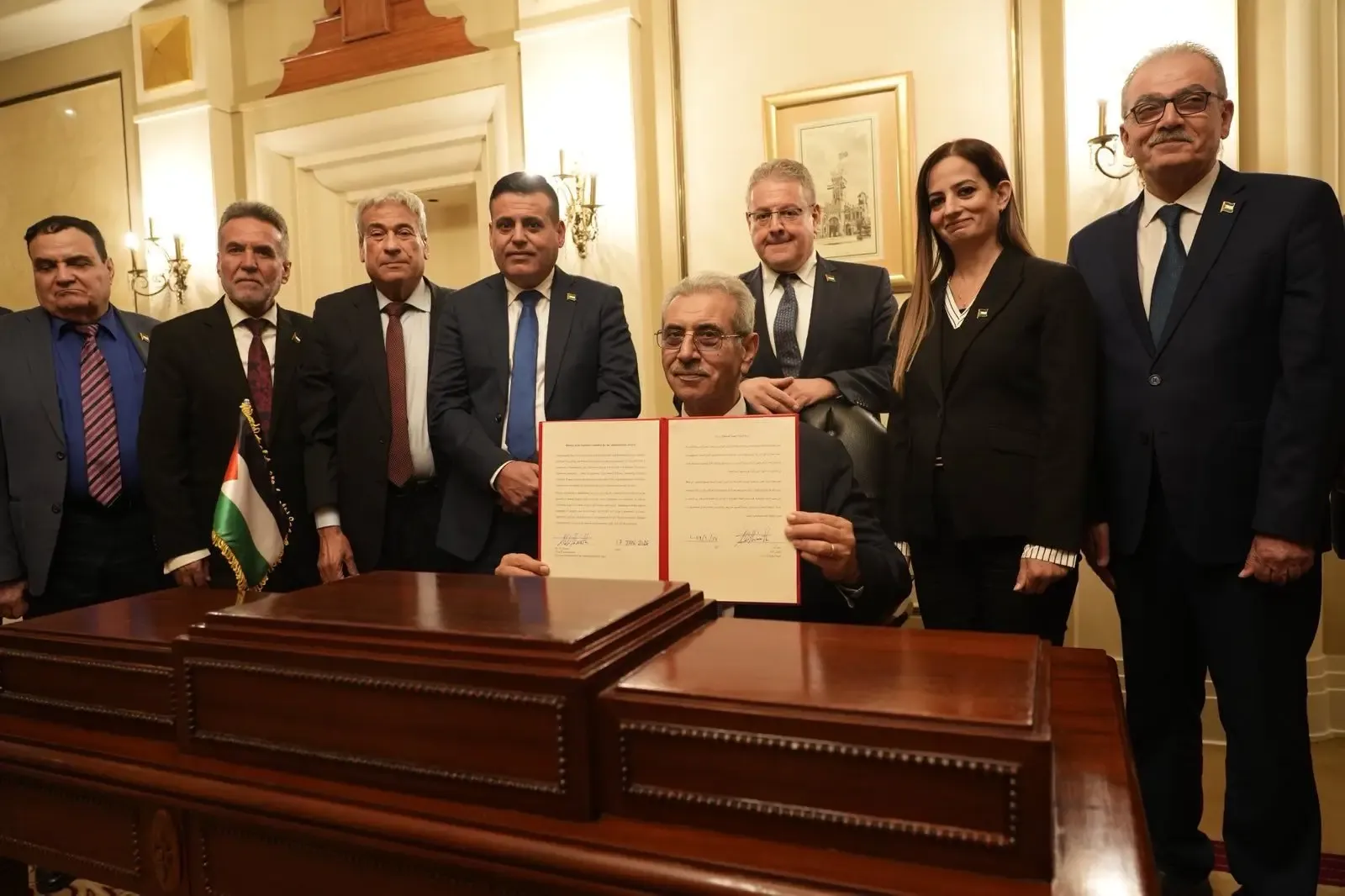
On Monday, Hamas formally dissolved its civilian governing body in the Gaza Strip. The move ends nearly two decades of the group’s de facto administration. It comes nine months into a U.S.-brokered ceasefire with Israel, fundamentally altering the region’s bureaucratic structure.
The operational shifts occurred rapidly early in the week:
- The Emergency Governing Committee has been permanently disbanded.
- Mohamed Abdul Khaleq al-Farra, the committee head, submitted his resignation.
- The broader civil service workforce remains in place to maintain essential public utilities and municipal functions.
- The Cairo-based National Committee for the Administration of Gaza (NCAG), chaired by engineer Ali Shaath, is now slated to assume the administrative mandate.
This dissolution clears a direct path for a postwar transition plan initiated by U.S. President Donald Trump. That framework transfers civilian oversight entirely to a transitional, United Nations-backed committee of Palestinian technocrats. If unresolved disputes over local security apparatuses are settled, Shaath’s new administration will manage essential services and attempt to establish a unified legal structure.
Israel immediately dismissed the announcement. Writing on X, Foreign Minister Gideon Saar called the dissolution a stunt designed to help the group avoid disarmament prerequisites. Saar noted: “As long as Hamas retains its weapons, any civilian government will of course operate as Hamas dictates.” The Trump-appointed Board of Peace also issued a brief statement regarding the handover. They indicated their final assessment of the new governing body will be “guided by actions, not promises.”