
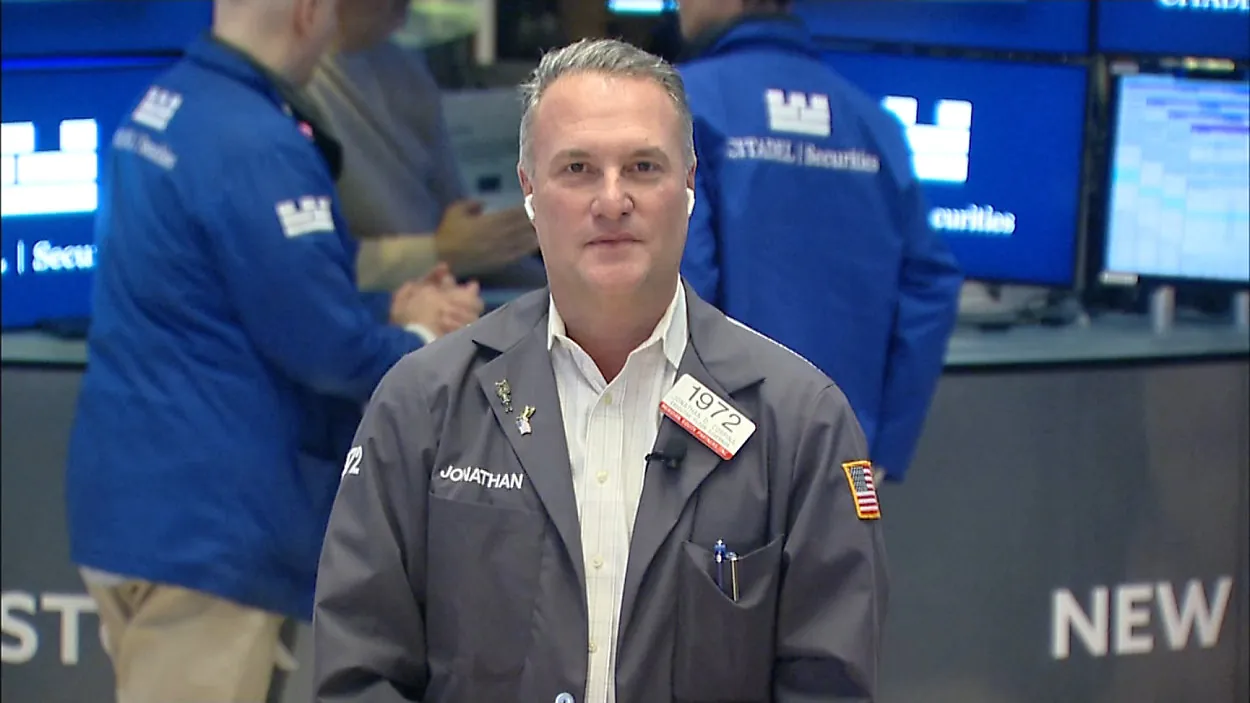
U.S. stock index futures pushed higher early Monday, July 6, as trading resumed following the Fourth of July weekend. Equities are climbing alongside stabilizing global energy markets, driven by a recent U.S. and Iran ceasefire that reopened the Strait of Hormuz to commercial shipping.
Nasdaq-100 futures advanced 1.4% to 1.5% in early trading, while S&P 500 futures climbed 0.5%. The momentum follows a shortened holiday week where the Dow Jones Industrial Average closed Thursday at a new all-time high of approximately 52,900, marking its 20th record close of 2026.
Beneath the surface index gains, analysts are issuing warnings regarding a potential violent rotation away from the technology stocks that drove last quarter’s growth. The Invesco Momentum ETF has already dropped 6.6% in July. Semiconductor firms like Micron are viewed as highly vulnerable to investor profit-taking as capital rotates toward healthcare and financials.
Despite that sector rotation risk, broader market sentiment remains strong. The Dow is currently riding a four-week winning streak, its longest stretch of consecutive weekly gains since October 2024.
Labor Data Drives Rate Outlook
A primary driver for the equity market optimism is the latest employment data. The June non-farm payrolls report revealed the U.S. added only 57,000 jobs, falling well short of the 115,000 additions economists projected. This softer labor data, tracked via a leading economic data dashboard, is increasing investor bets that the Federal Reserve will accelerate its timeline for interest rate cuts.
In the commodities sector, both West Texas Intermediate and Brent crude dipped below $72 per barrel. The price drop follows the normalization of tanker traffic through the stabilizing energy corridor in the Middle East. With supply routes secure, OPEC+ announced Sunday it approved a collective quota increase, restoring 188,000 barrels per day to the global market for August.
Meanwhile, Bitcoin is trading above $63,000, logging a 5% gain over the past week as digital asset markets align with the broader risk-on sentiment across conventional equities.
Looking Ahead
The combination of cooling labor data and stabilizing oil prices creates a highly specific macroeconomic window for U.S. equities. The severe miss in June non-farm payrolls removes near-term inflationary pressure from wage growth, clearing the path for the Federal Reserve to adjust rates without fighting a hot labor market. Simultaneously, the OPEC+ production increase of 188,000 barrels per day ensures energy costs will not artificially spike headline inflation during the third quarter. Investors are now closely monitoring whether the capital exiting high-multiple momentum stocks like Micron will successfully anchor into defensive sectors or exit the market entirely.