
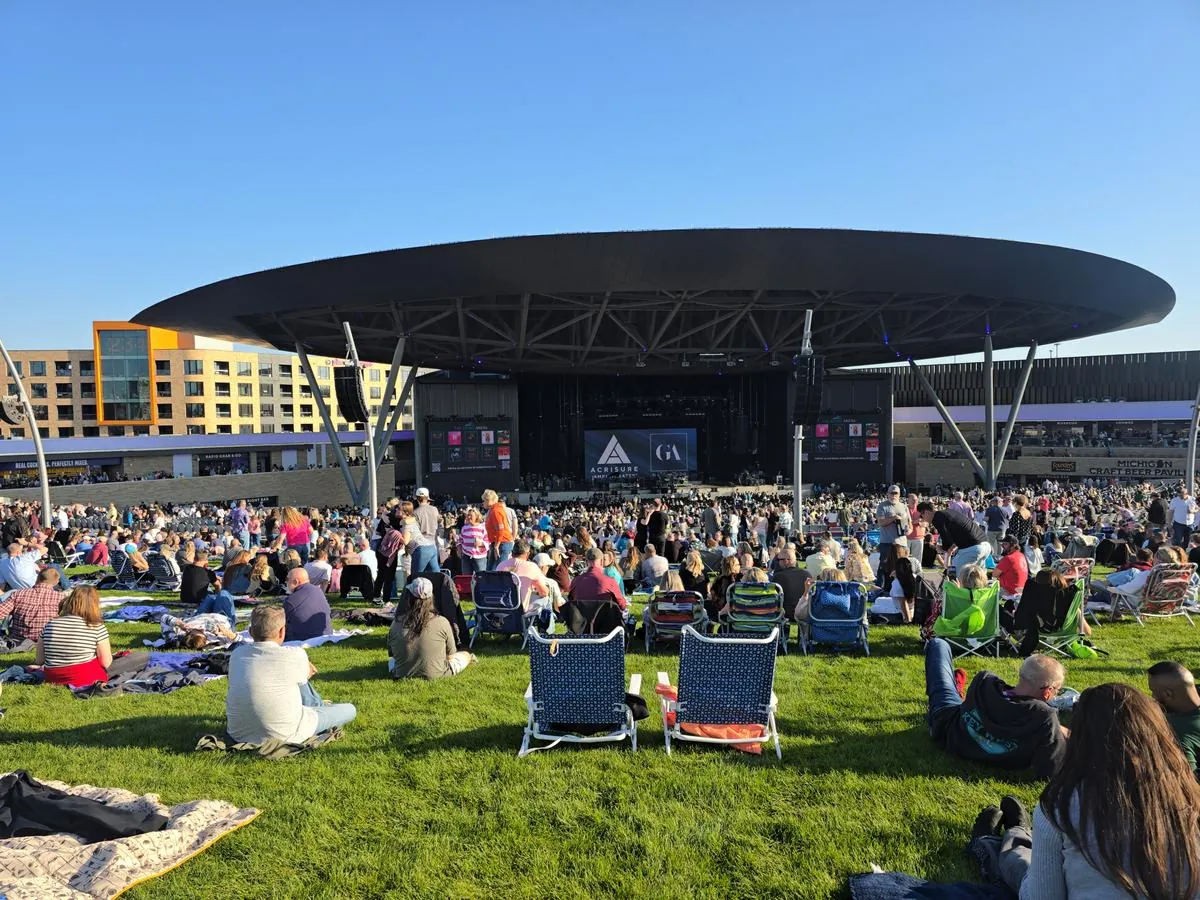
Heat waves fundamentally break the standard operational models for large-scale outdoor events. When temperatures spike, venues suffer from localized power grid failures, compromised physical infrastructure, and severe medical resource strain caused by high-density microclimates. Organizing a music festival or a major sporting tournament is no longer just about crowd control and ticket sales. Organizers are now engineering physical spaces specifically to mitigate life-threatening weather conditions.
When thousands of people pack together outdoors, ambient weather conditions quickly morph into distinct physical hazards. The combination of dense crowds and direct sun exposure triggers rapid dehydration and heat exhaustion. Event planners increasingly treat high temperatures not just as a discomfort, but as a primary logistical bottleneck that dictates everything from power supply to supply chain delivery times.
Background: How We Got Here
Outdoor venues create their own internal weather systems. Analysts at SeatGeek tracking event data confirm that high-density crowds significantly alter the local environment. Floor tickets or general admission pits restrict natural airflow. This creates microclimates that consistently feel drastically hotter than reserved seating up in the stands. The density of human bodies traps heat at ground level, creating a thick layer of stagnant air directly where the crowd is most concentrated.
But ambient air temperature is only half the problem. Extreme heat becomes actively deadly when high humidity prevents human sweat from evaporating. Researchers tracking heatstroke fatality rates point out that this physiological failure triggers rapid core temperature spikes. When combined with hours of standing on hot pavement, the human body loses its ability to self-regulate.
Urban infrastructure makes this worse. Experts at the World Meteorological Organization actively track the urban heat island effect, observing how outdoor events held in concrete-heavy urban venues absorb and retain heat. Stadiums and city festival grounds soak up solar radiation all afternoon. They continue to radiate that heat long after the sun goes down, keeping ground-level temperatures elevated well into the evening performances.
Physical Infrastructure Hazards
Standard materials used in event staging physically fail or become hazardous under intense sun. The Australian Disaster Resilience Knowledge Hub documented how materials commonly used in concert setups turn dangerous. During a late 2023 Taylor Swift concert in Brazil, intense localized heat caused attendees to suffer physical burns simply from touching the heated metal security barricades.
Because of this, modern event logistics now require entirely new physical adaptations. Venue engineers are substituting standard metal barriers with non-heat-conductive materials. They deploy high-capacity misting showers and utilize infrared cameras to monitor temperature variations within a live crowd. They locate the hottest pockets of the floor and actively direct cooling efforts to those specific zones without breaking a sweat.
Key Players and Stakeholders
When an event reaches critical temperatures, the impact bleeds far beyond the stadium walls. The surrounding city infrastructure absorbs the brunt of the logistical failures.
Local Medical and EMS Systems
Local urgent care and emergency medical services routinely buckle during a hot event. Health analysts at the Milbank Memorial Fund report that venues see massive surges in low-acuity patients suffering from dehydration and alcohol-related heat complications. This surge quickly drains on-site medical resources. Once the venue’s medical tents reach capacity, operators divert patients to local emergency rooms. This stalls regional hospital intake and ties up municipal ambulances for hours.
The highest risk period actually occurs before the gates even open. Standing in dense security queues or general admission lines exposes attendees to direct sun for hours before they have access to venue shade or hydration stations. To combat this, proactive crowd managers now alter opening times to avoid peak afternoon sun, allow sealed water bottles past security, and establish mandatory shaded cooling centers in the parking lots.
Supply Chain and Venue Operations
Event logistics rely heavily on strict delivery schedules. Extreme heat physically damages the routes those deliveries take. Officials at the US Environmental Protection Agency note that intense surface temperatures frequently compromise transportation infrastructure, buckling roadways and warping rail lines.
This creates severe bottlenecks for supply trucks. If a truck carrying palletized water, staging equipment, or medical supplies hits a heat-warped highway delay, the venue operations stall. Vendors cannot stock cooling stations. Riggers cannot build shade structures. Organizers lose the precise timing required to build a temporary city overnight.
And then there is the power grid. Prolonged heat waves push regional electricity grids to peak demand as local residents crank their air conditioning. The Milbank Memorial Fund notes this frequently triggers rolling brownouts. At a mass gathering, a sudden loss of grid power knocks out the venue’s essential medical equipment, electric cooling stations, and the refrigeration required for food vendor operations.
What’s at Stake
The physical toll on the human body is forcing global organizations to fundamentally rethink how and when they operate. High-endurance athletes and stage performers face severe risks of heat-related collapse under prolonged sun exposure and heavy physical exertion.
Rescheduling Global Sports
Extreme heat is actively forcing international organizations to abandon traditional calendars. The London School of Hygiene & Tropical Medicine detailed how severe weather is mandating adjustments across elite global sports. The 2022 FIFA World Cup in Qatar had to be moved entirely to November and December. During the 2026 Australian Open, organizers were forced to move matches indoors because ground temperatures neared 40°C.
Tennis operations on the ATP Tour now legally mandate 10-minute cooling breaks when thresholds are crossed. These changes create a domino effect. Broadcast schedules, global advertising buys, and local tourism economies all have to adapt to these last-minute weather accommodations.
The WBGT Metric Standard
Organizers no longer rely on standard thermometers to make these massive logistical calls. Instead, the industry relies on a specialized environmental metric called the Wet Bulb Globe Temperature (WBGT). Developed by the military and now standard in event operations, the WBGT provides a highly accurate measure of actual heat stress on the human body. The system calculates risk by measuring four distinct environmental factors:
- Ambient Air Temperature: The baseline measurement of the air itself, captured by a standard thermometer shielded from direct sunlight.
- Relative Humidity: Measured using a thermometer wrapped in a wet cloth (the “wet bulb”). This tracks how effectively sweat can evaporate off human skin. High humidity severely limits evaporation, driving up internal body heat.
- Wind Speed: Air movement provides evaporative cooling. Stagnant air inside a packed stadium bowl drastically increases the heat hazard compared to an open field with a steady breeze.
- Solar Radiation Angle: Measured using a thermometer inside a black globe. This accounts for direct radiant heat from the sun hitting the skin, as well as heat reflecting off concrete stadium floors or asphalt parking lots.
When the combined WBGT index crosses specific thresholds, safety protocols automatically trigger. These range from deploying extra water stations to enforcing mandatory cooling breaks or halting the event entirely. Planners track these metrics using localized sensors placed directly in the crowd, rather than relying on airport weather stations miles away.