
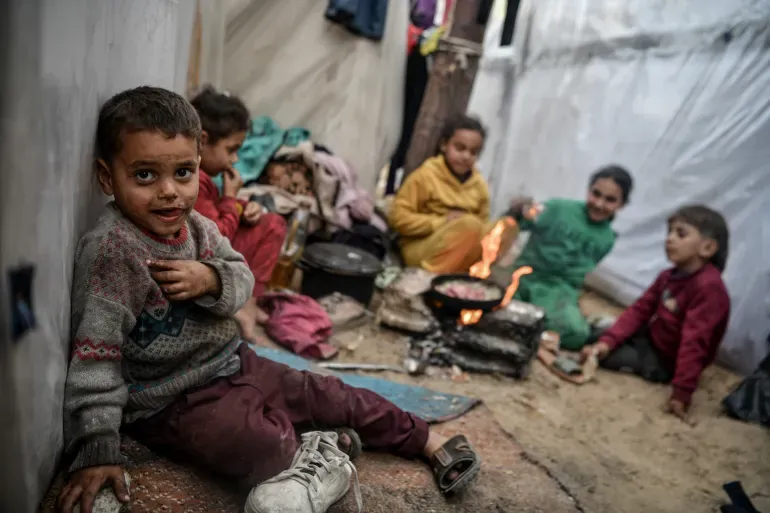
Humanitarian organizations are raising alarms over the compounding physical and psychological toll on youth in the Gaza Strip, as the territory approaches three years of ongoing war. The conflict, initiated by Israel following the Hamas-led attacks of October 2023, has displaced roughly 1.9 million people and triggered the collapse of regional medical infrastructure.
Against this macro-level crisis, new United Nations estimates indicate at least 17,000 children in Gaza have been orphaned or separated from their primary caregivers. The United Nations Children’s Fund (UNICEF) confirmed that at least 21,289 Palestinian children have been killed and an additional 44,500 have been wounded since the onset of the war.
The casualty rate has continued to climb despite an announced ceasefire in October 2025. Near-daily military strikes have killed more than 1,000 Palestinians since the agreement went into effect. In the first three months of the ceasefire alone, at least 60 boys and 40 girls were killed, averaging one child fatality per day.
The enduring impact is visible in cases like seven-year-old Hala Lubbad, who is currently hospitalized at Gaza City’s al-Shifa Hospital. Lubbad sustained severe burns and critical injuries to her hands and feet during an Israeli attack on June 2, 2026. The strike killed her 42-year-old father, a policeman, her 40-year-old mother, a teacher, and two of her siblings. She is now under the care of her aunt.
Health officials and psychologists from UNICEF warn that the 17,000 separated children face acute risks of severe trauma and depression. The agency estimates that more than one million children in Gaza currently require Mental Health and Psychosocial Support. The ongoing destruction of infrastructure and an extreme lack of basic resources, including food and shelter, have severely limited the capacity of extended families to absorb and care for the growing number of orphaned relatives.