
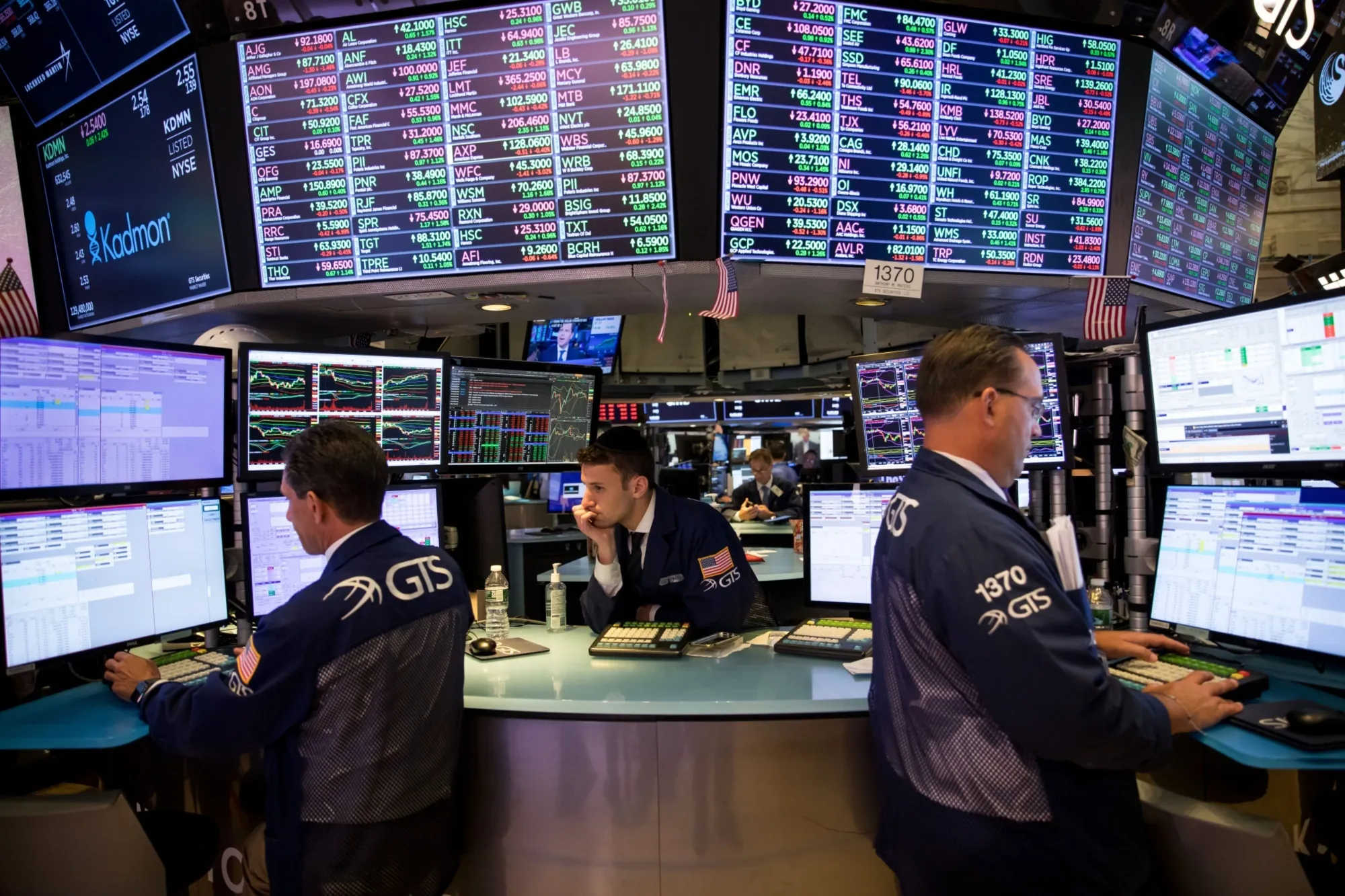
Stock index reconstitution is the periodic process where a provider adjusts the list of companies included in a specific benchmark. This happens because companies grow, shrink, or exit their industries, and the index must adapt to stay accurate. When a company enters or leaves a major index, the resulting mechanical buying or selling can move share prices. Understanding this process helps investors distinguish between temporary price noise and lasting value changes.
How Index Reconstitution Works
Financial indexes exist to represent a specific segment of the market. To maintain this accuracy, providers like FTSE Russell or S&P Global conduct reviews at set intervals. They apply strict criteria based on market capitalization, trading liquidity, and business activity. Stocks that fail to meet these thresholds are removed, while others that qualify are added to fill the gaps.
The reconstitution process functions as a systematic cleanup of the index. While investors often confuse this with rebalancing, the two tasks differ. Rebalancing involves shifting the weight of existing stocks, while reconstitution swaps entire companies out for new ones. To keep the index value stable during these transitions, providers calculate a new divisor. This mathematical adjustment ensures the index reading remains consistent before and after the turnover.
Who Is Affected by Market Shifts
Passive investment funds, such as index-tracking exchange-traded funds, are the primary participants in these events. Because these funds aim to match their benchmark exactly, they are bound by strict rules to hold the stocks included in that index. When a committee announces a change, passive managers must buy or sell shares to align their holdings with the updated list.
This creates an acute period of demand or supply for the affected stocks. The index effect describes the price surge often seen for companies joining an index. Conversely, stocks leaving an index may face selling pressure as passive funds exit their positions. In recent years, high-frequency traders and hedge funds have monitored these lists closely to anticipate these movements, often completing their own trades well ahead of the official effective dates.
Real-World Impact and Market Liquidity
The scale of these trades has reached record levels. During the June 2026 event, the Nasdaq Closing Cross executed record trading volume to accommodate the massive turnover required by index funds. This shows how liquidity demands drive market action during these specific windows.
However, the impact on price is rarely permanent. Research from S&P Global indicates that the historical tendency for stocks to rise upon addition to the S&P 500 has flattened significantly over the last three decades. Traders now front-run the news, meaning the expected price reaction often occurs before the index funds actually move their capital.
Key Considerations for Investors
Avoid viewing short-term price spikes during reconstitution as a sign of fundamental business change. These movements are often technical, driven by the structural requirements of index-tracking funds rather than shifts in company earnings or outlook. Once the passive funds finish their trades, prices frequently retreat to levels reflecting the company’s actual business performance.
Consider the long-term intent of your portfolio before reacting to index news. If you hold index funds, you already participate in these transitions automatically. Your fund manager handles the mechanics, meaning you do not need to trade yourself to keep up with index adjustments. Focus on the underlying quality of your holdings instead of the calendar of index providers.
Key Takeaways
- Reconstitution serves to keep benchmarks current by replacing companies that no longer fit market criteria, ensuring the index reflects the modern economy.
- The price fluctuations linked to index changes are often mechanical and short-lived, as they arise from the forced trading of passive funds rather than changes in business fundamentals.
- Modern market efficiency means that much of the expected price impact is absorbed before the official changes occur, reducing the predictability of trading based solely on index announcements.