
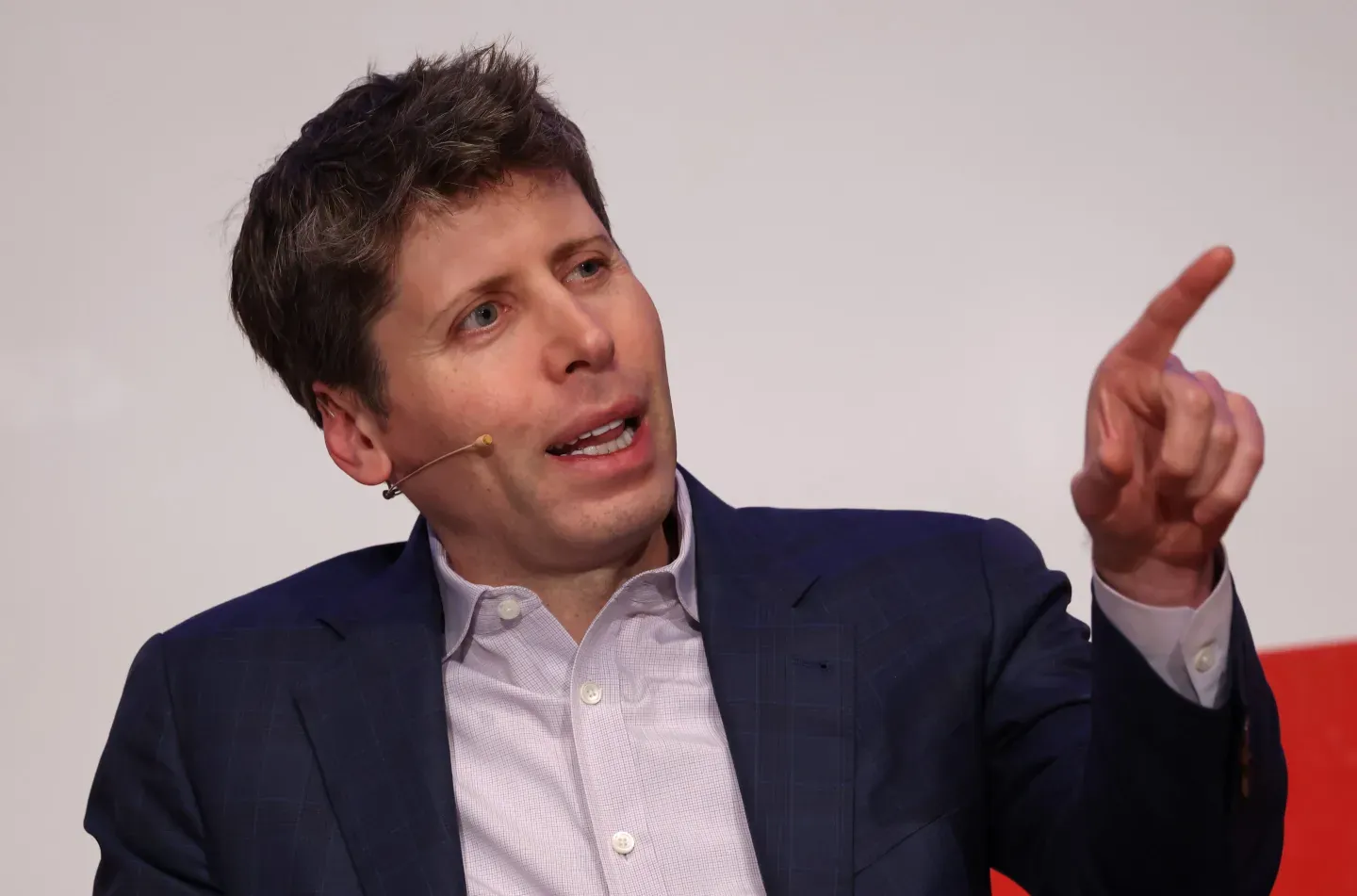
OpenAI is exploring a delay of its initial public offering until 2027. According to unconfirmed reports from The New York Times, banking advisers presented CEO Sam Altman with a choice to go public sooner at a reduced valuation or wait to hit a $1 trillion target. The artificial intelligence developer previously filed confidential paperwork with the SEC on June 9, 2026. This potential timeline change arrives amid a sudden change in retail and institutional investor sentiment regarding high-value technology debuts, directly triggered by the recent post-IPO selloff of SpaceX shares.
Altman reportedly rejected any compromise on the debut price, calling a lower valuation a “nonstarter.” Achieving a $1 trillion debut would be unprecedented for a US listing, immediately making the unprofitable startup more valuable by market capitalization than established retail corporations like Walmart.
What We Know
- OpenAI posted a net loss of $38.5 billion in 2025 against $13.07 billion in revenue.
- The company projects $600 billion in infrastructure and compute spending leading up to 2030.
- Chief rival Anthropic is actively preparing to go public with a $965 billion valuation.
The financial markets are increasingly demanding profitability from artificial intelligence firms. Advisers warned OpenAI executives that turbulence in the aerospace sector could dampen retail investor enthusiasm. SpaceX shares recently slumped from a peak of $202 down to $153 following its record-breaking initial public offering.
The hesitation is already rippling through global investment portfolios. SoftBank Group committed $65 billion to OpenAI and holds a $40 billion bridge loan due in March 2027. Following the IPO delay report, SoftBank saw its stock crash by 12 percent, marking its largest intraday decline in over three months.
How the White House GPT-5.6 Mandate Complicates Wall Street Timelines
Beyond financial friction, the timeline adjustment reflects mounting geopolitical scrutiny over artificial intelligence capabilities. The US government is increasingly anxious about advanced models and is directly intervening in the company’s product roadmap.
The White House’s Office of the National Cyber Director and the Office of Science and Technology Policy instituted a formal intervention. They mandated that OpenAI stagger the rollout of its upcoming GPT-5.6 model to a limited preview pool requiring customer-by-customer government approval. This national security friction complicates the commercial narrative ahead of a potential listing.