
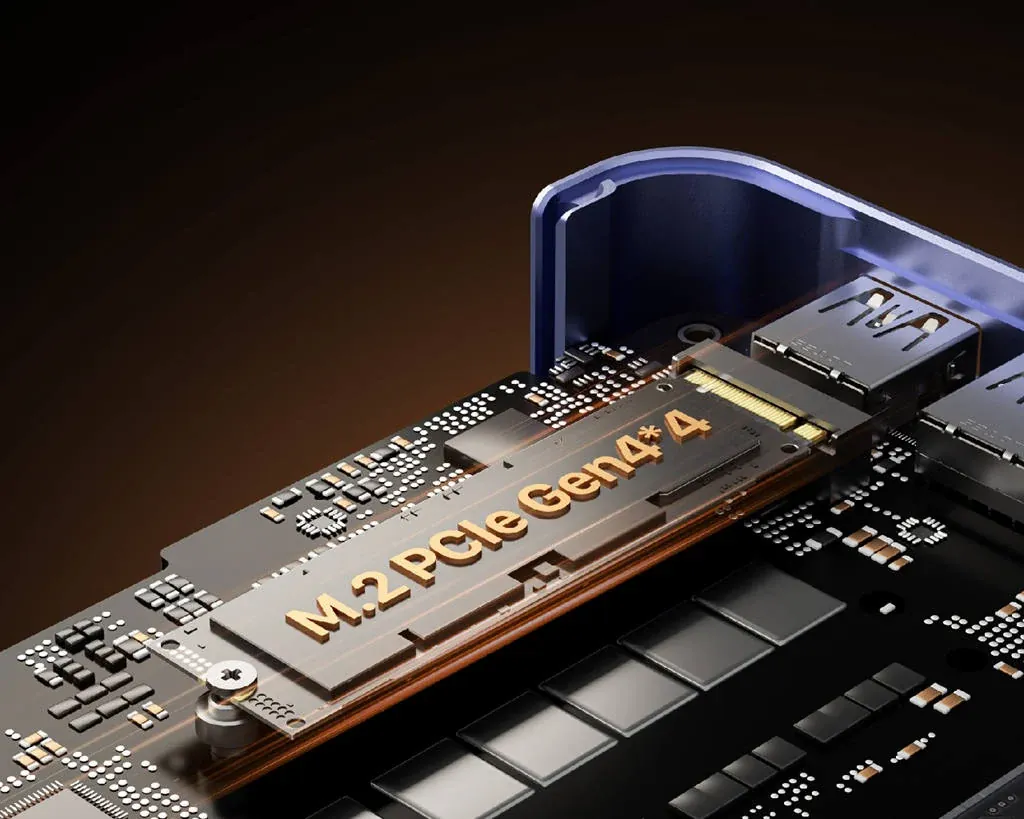
A historic squeeze on global storage costs is making the fastest PC components painfully expensive. In the second quarter of 2026, NAND flash contract prices jumped 70 to 75 percent as manufacturers diverted supply to enterprise data centers. With consumer NVMe drives spiraling out of budget, PC builders are rediscovering an older, highly reliable alternative. Older SATA SSDs are now the most logical storage upgrade for home servers and gaming rigs.
The speed difference between the two formats is vast on paper, but the actual user experience tells a different story. Dropping down to older SATA technology saves builders hundreds of dollars on high-capacity storage arrays without sacrificing noticeable performance for standard daily tasks.
Key Details
- Major PC manufacturers like Dell and Lenovo are actively downgrading default SSD capacities in their 2026 laptop lineups to control rising component costs.
- Storage brands like SanDisk recently launched entirely new lines of SATA SSDs to capture consumers priced out of the modern NVMe market.
- Hyperscalers such as AWS and Microsoft Azure are purchasing over 500,000 SSDs per quarter for AI training, choking off consumer flash supply.
It is easy to look at a spec sheet and assume newer is strictly superior. Modern Gen4 NVMe drives advertise blazing transfer speeds around 7,000 MB/s, while SATA SSDs hit a hard ceiling at 550 MB/s. But that on-paper gap rarely translates to real-world computing. For booting an operating system, browsing the web, or loading PC games, SATA speeds easily eliminate traditional storage bottlenecks without the premium markup. High-capacity consumer and used enterprise SATA drives now cost hundreds of dollars less than their M.2 equivalents.
Building a storage array with older tech also bypasses the physical limits of modern motherboards. Most boards feature double the number of SATA ports compared to M.2 slots. This allows users to expand their storage without saturating PCIe lanes or halving their graphics card bandwidth, according to a comprehensive hardware guide by XDA Developers published Wednesday.
How the AI Hardware Squeeze Alters PC Building
The sudden shift back to SATA technology highlights a broader hardware allocation problem. Enterprise cloud providers are buying up high-margin memory at unprecedented rates to support artificial intelligence model training workloads. By absorbing hundreds of thousands of drives every few months, these hyperscalers create an allocation bottleneck that starves the consumer market of high-speed NVMe flash.
Everyday PC builders are essentially competing directly against enterprise AI budgets for the exact same silicon. Dropping down to SATA avoids that pricing war entirely while still delivering the snappy performance necessary for daily use.