
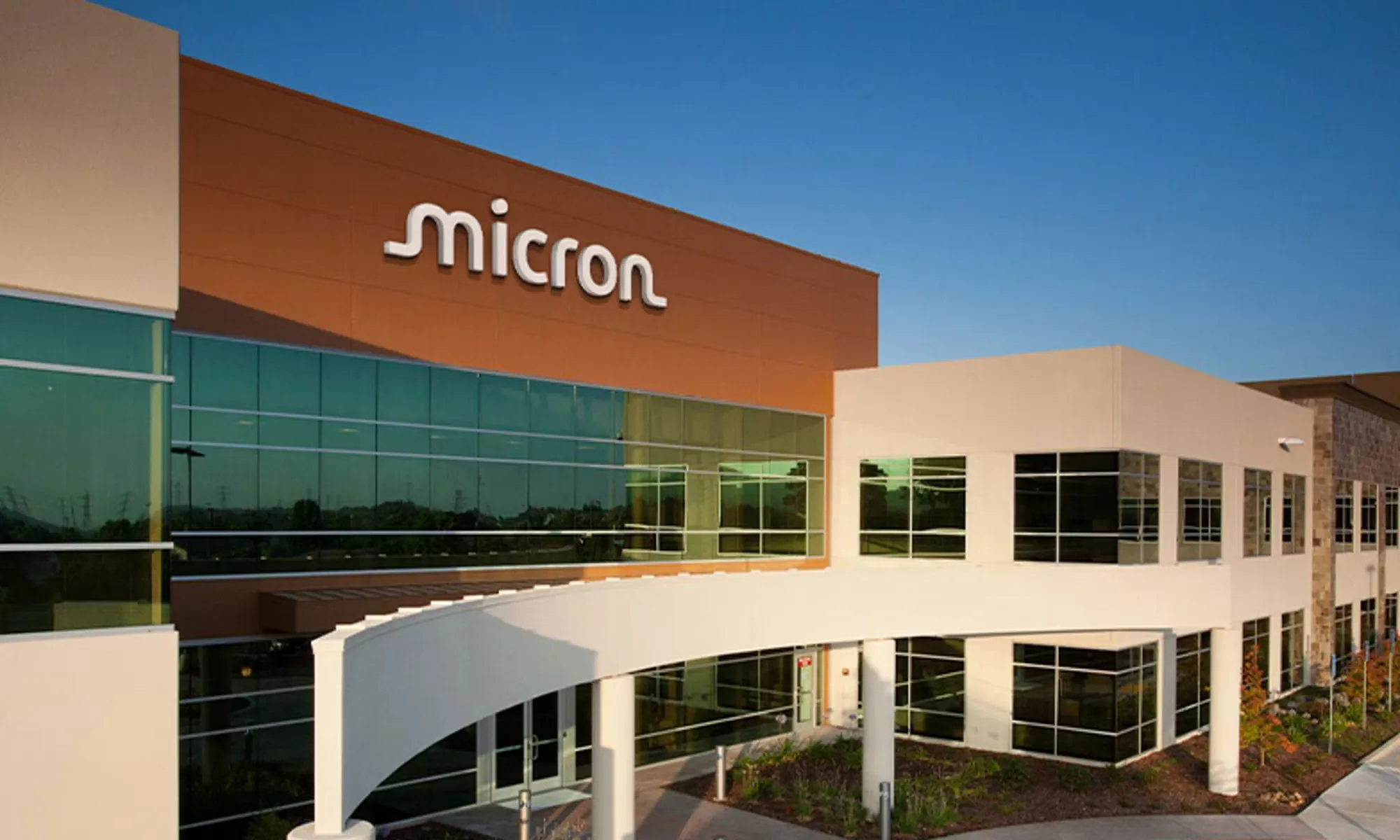
Barclays has raised its price target for Micron Technology from $1,175 to $2,000, signaling extreme institutional confidence in the memory manufacturer. The upgrade reflects an ongoing, AI-induced structural memory shortage that is aggressively altering the hardware market.
Hyperscale data centers require vast amounts of high-performance DRAM and NAND flash to support AI workloads, creating a supply-demand imbalance analysts are calling “memflation.” The broader Wall Street average price target for Micron currently sits at $1,527, according to TipRanks data.
Barclays is making a wider bet on the memory sector, simultaneously upgrading SanDisk to a $2,300 target from $1,200. The pricing power of these suppliers is already affecting consumer hardware. Apple CEO Tim Cook confirmed earlier this week that downstream hardware price increases are unavoidable due to the surging cost of memory chips.
The Shift to Guaranteed Volume Contracts
Micron recently crossed a $1 trillion market capitalization. To maintain this growth and insulate against market volatility, the company has altered its fundamental business model.
Instead of relying on historically volatile quarterly contract negotiations, Micron is locking in hyperscalers long-term. The company recently signed a five-year Strategic Customer Agreement with AI startup Anthropic, securing guaranteed volumes and establishing a highly predictable, multi-year revenue pipeline.
How ‘Memflation’ Restructures Hyperscaler Budgets
As AI models scale, memory costs are outpacing compute costs. Hyperscalers like Microsoft and Amazon will be forced to allocate a larger percentage of their capital expenditure directly to memory manufacturers to avoid infrastructure bottlenecks.
The structural shortage is expected to persist through late 2027. This constraint guarantees that downstream software providers and AI subscription services will face rising operational costs, which they will likely pass on to end consumers to subsidize the expensive data center hardware.