
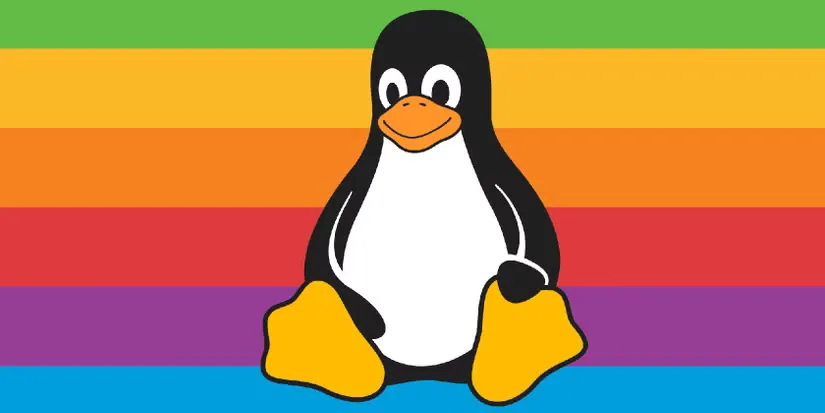
Thirty years ago, designer Larry Ewing drew Tux, the official Linux penguin mascot. He used GIMP 0.54, an image editor running on a 486 DX2/50 system, using only a mouse. On June 25, 2026, GNOME developer “balooii” revived this exact 1996 software build and released it as a modern Linux Flatpak.
Running 30-year-old software on a modern 64-bit machine usually requires complex workarounds. By packaging the software as the file gimp-0.54.1-8.flatpak, all the legacy dependencies are natively bundled. Users can download and run it directly from the project’s GitLab repository without dealing with system compatibility issues or missing libraries.
According to Ewing’s original notes, the final smoothing of the Tux design was completed on an SGI Crimson workstation. The new Flatpak release allows retro-computing enthusiasts and software archaeologists to experience the exact toolset Ewing used during the initial drafting phase.
How Commercial Licensing Birthed the Modern Linux Desktop
GIMP 0.54.1 holds a specific place in open-source history beyond the Tux drawing. It was the final version of the image editor built on Motif, a commercial Unix widget toolkit. Because Motif’s commercial licensing hindered open distribution and alienated developers who did not have access to it, the GIMP team was pushed to build their own open-source alternative.
This necessity led directly to the transition to GTK, which originally stood for the “GIMP Toolkit.” The creation of GTK permanently altered the trajectory of open-source desktop environments through a distinct chain of events:
- Motif Replacement: The development team abandoned the paid Motif toolkit to ensure GIMP could be freely distributed and modified by anyone.
- GTK Foundation: The team wrote GTK from scratch to replace the specific interface elements they needed for the image editor.
- GNOME Desktop Expansion: GTK subsequently evolved into the core graphical framework behind the entire GNOME desktop environment and countless modern Linux applications still used today.