
An ongoing artificial intelligence infrastructure boom is driving a 29% surge in the Russell 3000 over the past year, fundamentally rewriting the valuation cutoffs for institutional equities. On Friday, following the United States market close, FTSE Russell will execute its index reconstitution, forcing asset managers to reallocate capital across approximately $12 trillion in benchmarked assets.
What We Know
- The maximum market capitalization cutoff for the small-cap Russell 2000 increased to $5.7 billion.
- Goldman Sachs analyst John Flood estimates that quarter-end pension-fund adjustments will coincide with the rebalancing, generating $30 billion in equities sold.
- JPMorgan forecasts a 16.5% aggregated boost in annual dividend payments for the remaining Russell 2000 members as non-dividend-paying growth companies graduate out of the index.
- Last June’s reconstitution generated $217.2 billion in trading volume.
Preliminary data indicates FTSE Russell is adding 62 companies to the large-cap Russell 1000 and 237 companies to the small-cap Russell 2000. Institutional portfolios must automatically execute buy and sell orders at Friday’s closing prices to mirror the new index weightings. Jay Woods of Freedom Capital Markets described the technical adjustment as Wall Street’s version of roster cut day.
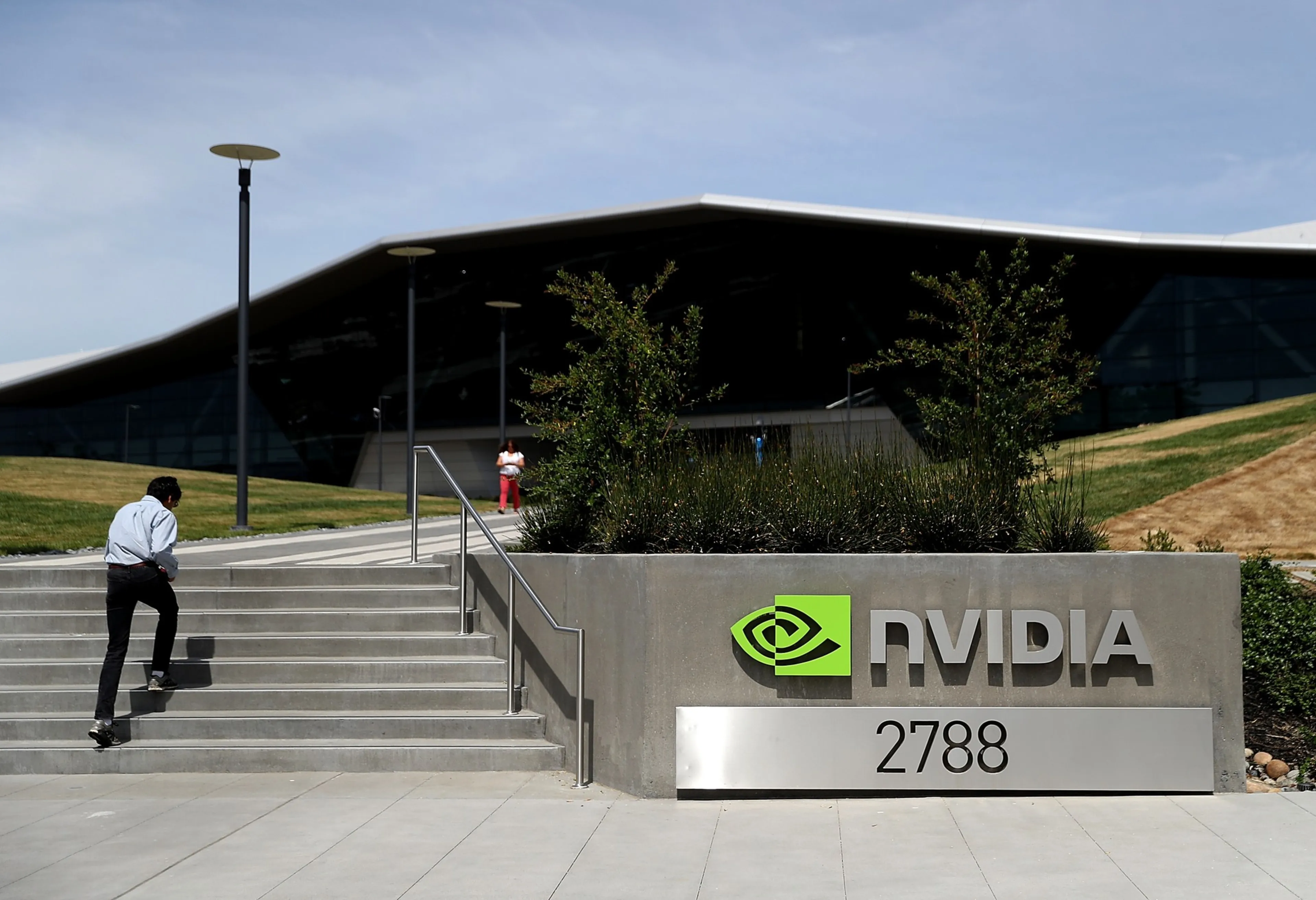
According to Morningstar’s reporting on Friday’s $12 trillion index reconstitution, Nvidia is positioned to take over as the top index component, pushing Apple down to the number three spot. Walmart is expected to move into the top 10. Newly listed aerospace manufacturer SpaceX and AI-cloud infrastructure provider CoreWeave are among the high-profile large-cap additions.
The influx of high-valuation technology firms is forcing established companies out of the small-cap tier. Several companies that exceeded $10 billion valuations are graduating from the Russell 2000 into the Russell 1000 to accommodate the expanded market caps of the incoming AI and cloud computing sector.
How the 2026 Semi-Annual Schedule Alters Trading Friction
Starting in 2026, FTSE Russell is structurally changing its reconstitution from an annual event to a semi-annual schedule, dividing the adjustments between June and December. This mechanical shift doubles the operational frequency required from fund managers and alters the liquidity demands placed on the market.
The adjustment arrives as institutional analysts report increasing complexity in style-based indexing. Mega-cap technology companies, operating at trillion-dollar valuations with expansive cloud architectures, are concurrently exhibiting both value and growth characteristics. The semi-annual timeline accelerates the rate at which passive index funds must acquire shares of rapidly appreciating infrastructure hardware providers, compressing the window active managers have to front-run the inclusion trades.