
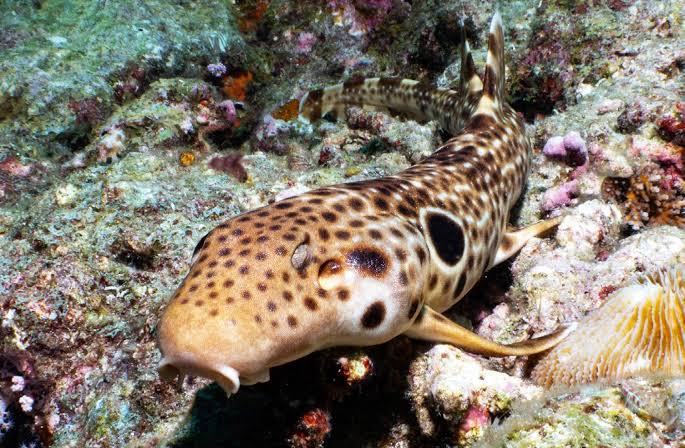
Marine biologists have officially identified a new species of walking shark in the shallow coastal waters of eastern Papua New Guinea. The discovery of Hemiscyllium dudgeonae marks the 10th known walking shark species globally, but its highly restricted geographic range has already pushed researchers to petition for strict marine habitat protections.
What We Know
- The shark measures approximately 70 to 80 centimeters in length and features a distinct pattern of small white dashes and brown spots.
- Researchers conducted 70 field surveys across 35 reef sites to confirm the population.
- A total of 12 individuals were located and cataloged during the study.
- The species relies on specialized adaptations to hunt small crabs and invertebrates in tide pools.
The shark was initially spotted in March 2025 during a night dive in Milne Bay by Dr. Christine Dudgeon, an Australian ecologist and senior research fellow at the University of the Sunshine Coast. The animal uses its pectoral and pelvic fins to physically move across the sea floor. To confirm the finding as a distinct species, a research team led by UniSC Ph.D. student Jess Blakeway utilized DNA testing and located 11 additional sharks.
The formal findings were published on June 15 in the Journal of the Ocean Science Foundation. The study highlights the creature’s extraordinary ability to survive out of water in low-oxygen environments for up to two hours when the tides recede. Because offspring hatch and remain close to their parents, the species exhibits almost no mobility outside its immediate home reef.
The Conservation Push for Hemiscyllium dudgeonae
This identification is the first new species described for the Hemiscyllium genus since 2013. The UniSC research team is now using this genetic and population data to formally petition the International Union for Conservation of Nature. They aim to classify the shark as vulnerable or endangered.
A formal classification is necessary to trigger mechanisms for local authorities to enforce strict fishing and habitat regulations in Papua New Guinea. These protections are designed to shield the confined population from environmental degradation and human interference.