
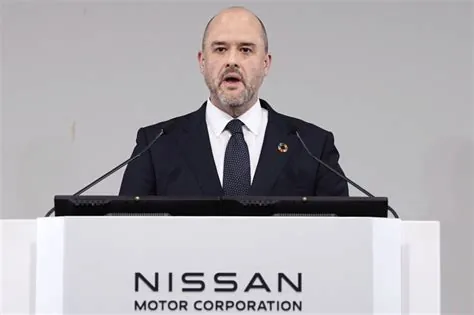
Nissan CEO Ivan Espinosa faced severe investor frustration at the company’s 127th annual shareholder meeting in Yokohama. Driving this anger is an ongoing eight-year decline in global market position following the 2018 arrest of former chief executive Carlos Ghosn. To manage lagging electrification efforts and heavy profitability pressures, Espinosa’s current administration implemented a severe cost-cutting strategy that eliminates 20,000 jobs and closes seven manufacturing plants.
During the meeting, a shareholder submitted a highly unusual proposal calling for the reappointment of Ghosn, an international fugitive currently residing in Lebanon, arguing the automaker requires his aggressive leadership style. Espinosa defended his turnaround approach, telling investors the company is starting to see financial improvements, including an operating profit of $367 million at the end of the 2025 fiscal year. Nissan’s stock price dropped 44% since the end of 2023.
Key Details
- Renault Group deliberately abstained from backing outside director Motoo Nagai.
- Nagai was ousted from the board following the abstention.
- The current restructuring plan includes closing seven plants worldwide.
Renault cited concerns regarding Nagai’s independence due to his long-term ties with Mizuho, which operates as Nissan’s primary creditor. The deliberate abstention vote from Renault, which retains a 15% voting right, resulted in Nagai’s removal from the board. This corporate governance shift highlights ongoing tensions within the alliance.
The demand to bring back fugitive Carlos Ghosn marks an unprecedented request to reinstate an executive wanted by multiple countries who cannot legally enter Japan.
How Renault’s Voting Strategy Alters Nissan’s Board Structure
The removal of Motoo Nagai connects directly to the 2023 restructuring of the Renault-Nissan alliance. Renault agreed to reduce its holding in Nissan from 43% to 15% to rebalance capital ties and control. By utilizing its remaining 15% voting power to abstain, Renault forced a significant corporate governance shift. The demand for Ghosn, who originally saved Nissan from heavy debt in 1999, further complicates Espinosa’s efforts to stabilize the automaker amid the job cuts.