
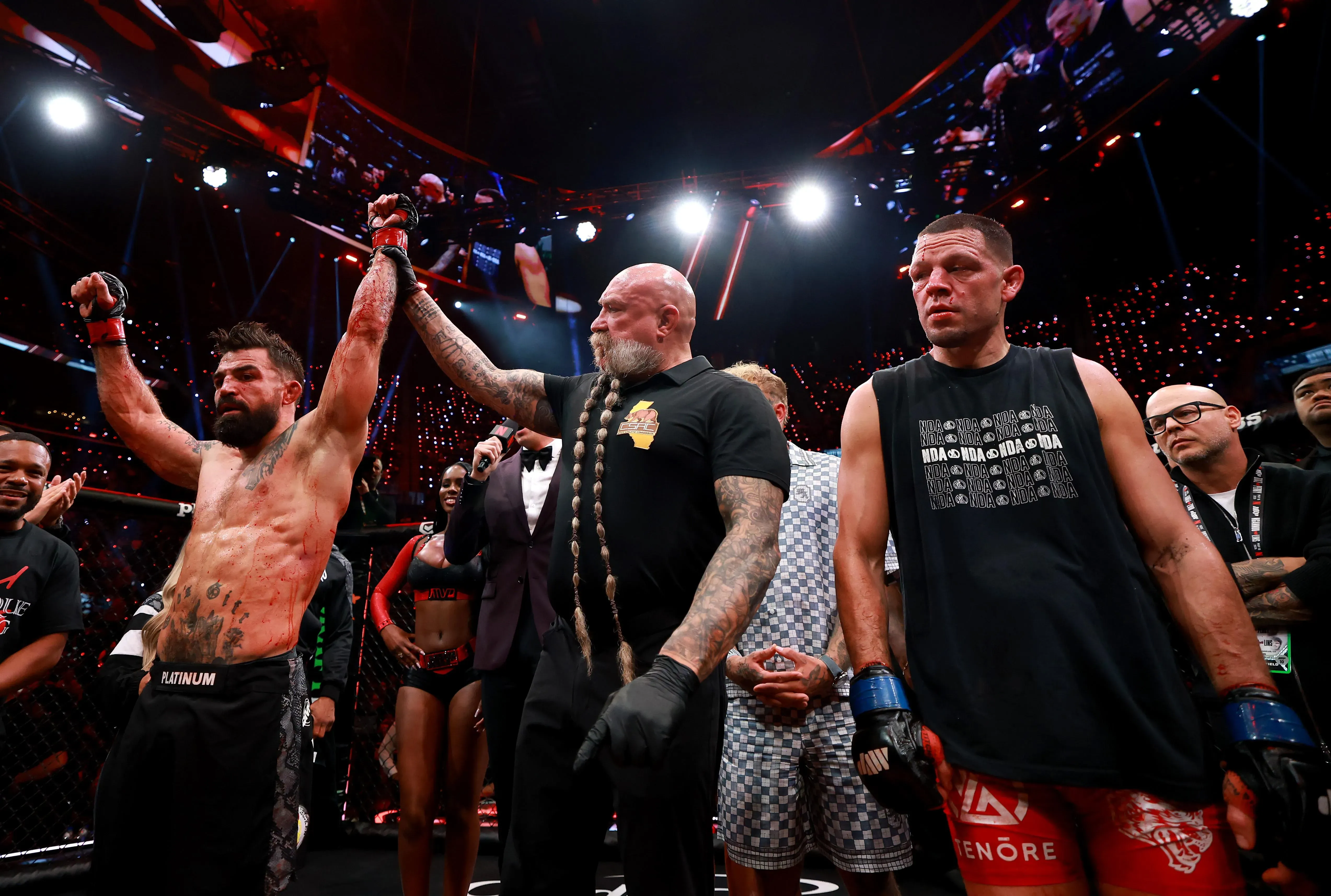
Professional mixed martial arts fighters do not get regular weekly salaries or stable season long contracts like players in major team sports. Instead, fighters get paid every time they step inside the cage, and a huge chunk of their income depends entirely on how entertaining they are during a fight. Performance bonuses are special cash rewards given out by fight promotions after an event to reward fighters who get spectacular knockouts, lock in brilliant submissions, or put on a wild show for the fans. These bonuses can instantly double or triple what a fighter makes in a single night, making them a central part of the sport’s economic structure.
How Performance Bonuses Work
The standard payment model in promotions like the Ultimate Fighting Championship (UFC) uses a tier system. When a fighter signs a contract for a match, they agree to a basic base pay called a show purse. They get this money simply for making weight and entering the cage. The contract also includes a win bonus, which is usually the exact same amount as the show purse. If the fighter wins, they get both checks. If they lose, they only get the show money.
Performance bonuses sit completely outside of that base contract. They are discretionary cash prizes awarded by promotion executives at the end of every event. In recent years, the standard menu of awards includes two Performance of the Night prizes and one Fight of the Night award. The Performance of the Night prize goes to individual fighters who secure a highly impressive finish, like a clean one-punch knockout or a technical submission. The Fight of the Night award goes to both athletes who participated in the most exciting, action-packed bout on the entire card.
The money for these awards historically stood at fifty thousand dollars per fighter. In recent seasons, the promotion overhauled this structure to give athletes a bigger share of the event revenue. The standard post-fight awards grew to one hundred thousand dollars each. Executives also added a flat twenty-five thousand dollar bonus for any fighter who secures a knockout or a submission on the card but misses out on the main individual awards. This change came with a trade-off. The promotion stopped giving out secret discretionary checks behind closed doors, opting instead to put all the extra cash into a clear, performance-driven reward pool. For a detailed breakdown of how these baseline numbers compare to base tier salaries, you can read more about fighter pay scales on Grit and Growth MMA.
Why Promotions Use This System
Fight promotions use performance bonuses because mixed martial arts is a business driven by pay-per-view sales and ticket buys. If fighters compete too safely, fans lose interest. A fighter might choose to use a highly conservative wrestling strategy to sit on top of their opponent and run out the clock. This strategy secures the win bonus, but it often bores the crowd. By offering an extra check that equals multiple years of entry-level pay, the promotion creates an intense incentive for fighters to take big risks and chase a finish.
This structure changes how fighters plan their strategies in the cage. Economists view these prizes as an extra layer of competition. A fighter who is ahead on the judges’ scorecards in the final round has to make a tough choice. They can stay safe to protect their win bonus, or they can push forward aggressively to try to win an extra hundred thousand dollars. According to an economic study published in MDPI Sports, this incentive system directly correlates with higher strike rates and a greater frequency of knockouts during the final minutes of a match.
The system also gives promotions an easy way to market their athletes. A fighter who wins multiple performance awards gets a reputation for being an action hero. The promotion can use their highlight reels to sell future events. This status gives the fighter more popularity with fans, which helps them secure outside corporate sponsorships and gives them better leverage when it is time to sit down and negotiate a brand new multi-fight contract.
Famous Examples from Major Events
The real-world impact of these extra cash injections becomes clear when looking at major milestone events. At big pay-per-view cards, promotions frequently raise the bonus amounts to convince fighters to put on an unforgettable show. During a major anniversary card held recently, executives agreed to bump the individual performance prizes from the standard rate up to three hundred thousand dollars for one night only. This change caused fighters on the undercard to fight with extreme aggression, leading to a night filled with quick finishes and heavy knockouts.
Corporate sponsors also step in to inflate these numbers during high profile events. Crypto companies and clothing brands frequently add their own cash to the post-fight pool. For example, during the historic summer card at UFC Freedom 250, several top athletes walked away with total bonus payouts that exceeded four hundred thousand dollars once the sponsor matches and standard night awards were fully tallied. These numbers show how variable an athlete’s pay can be based on a single twenty-minute performance.
History shows that certain fighters build their entire careers around this system. Some athletes have won post-fight bonuses in more than half of their appearances inside the cage. Even when these fighters lose a match, they often go home with an extra fifty or one hundred thousand dollars because their bouts are so chaotic and entertaining. This extra income is vital because professional mixed martial artists have to pay for their own coaching staff, training camps, sparring partners, and specialized medical recovery out of their own pockets.
Common Misconceptions
The most common misconception among casual fans is that every fighter on a card makes a comfortable, millions-of-dollars salary. In reality, a large percentage of professional fighters live on thin margins. Data shows that nearly half of all professional mixed martial artists make less than fifty thousand dollars over their entire careers. An entry level athlete might get a contract that offers twelve thousand dollars to show and another twelve thousand dollars to win. If they lose a hard fight, they walk away with twelve thousand dollars before taxes and training expenses, making the chase for an extra finish bonus a necessity for financial survival.
Another misunderstanding involves who can actually win the money. Many people assume that only victorious fighters can take home extra cash. While the individual performance prizes require a dominant showing or a clear finish, the Fight of the Night award is completely independent of the official result. A fighter can lose a bloody, five-round war, get knocked out in the final seconds, and still collect the full bonus check alongside the person who beat them. You can check out the official criteria used to distribute these fight bonuses on Grapplers Graveyard to see how subjective these choices can be.
Fans also tend to think that these bonuses are bound by rigid, unbreakable rules. People assume that a promotion can only give out exactly four awards per night. In practice, the head executives can change the rules on a whim while sitting at the post-fight press conference. If an event has seven spectacular knockouts, the promoter can decide to reward every single person who got a finish, handing out hundreds of thousands of dollars in unannounced prizes. Conversely, if a fight card is dull and features multiple slow decisions, executives have the right to withhold the bonuses entirely, leaving the athletes with only their basic contracted purses.