
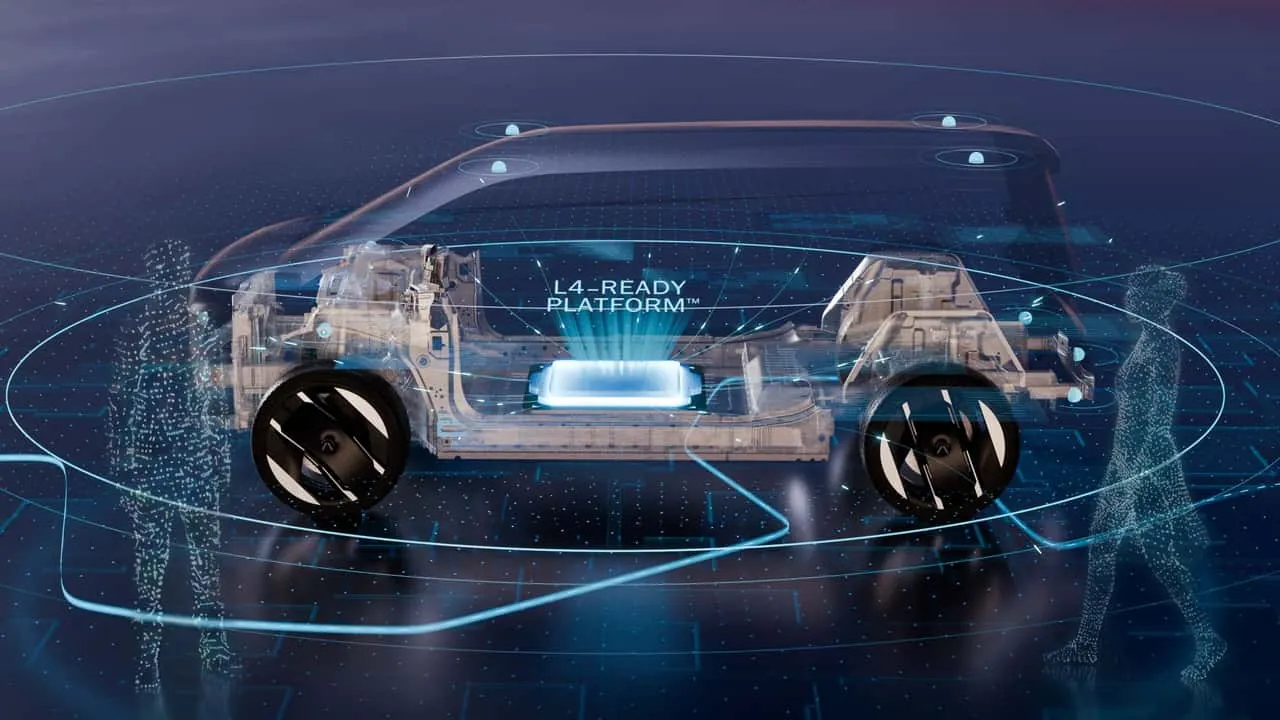
The global automotive sector is abandoning solo self-driving development in favor of shared financial risk. Stellantis, Wayve, and Uber finalized a non-binding Memorandum of Understanding in June 2026 to jointly build and deploy Level 4 driverless robotaxis. This alliance signals a fundamental structural shift in how commercial autonomous networks are funded and operated.
Rather than constructing a proprietary ride-hailing app or bearing the entire cost of vehicle manufacturing, the companies divided the operational responsibilities. According to a report by Business Insider, Stellantis will engineer the physical vehicles, Wayve will supply the artificial intelligence software, and Uber will deploy the fleet onto its existing global network.
Building the Modular Fleet
The technical integration relies heavily on Wayve’s “mapless” AI technology. Legacy autonomous operators historically depend on costly, city-by-city high-definition mapping to guide vehicles safely. Wayve’s software is designed to adapt to unpredictable environments without those geofenced limitations, significantly lowering the financial barrier to entry for new markets.
Stellantis will manufacture the autonomous fleet using its advanced L4-Ready Platforms. Engineers are beginning immediate validation work and plan to deploy the initial test vehicles across Europe and North America.
The Corporate Strategy Breakdown
The strategic framework of this collaboration isolates the specific financial and developmental risks for each entity:
- Hardware Production: Stellantis secures guaranteed commercial volume for its L4-Ready chassis architectures without needing to market a ride-hailing service directly to consumers.
- Software Development: Wayve deploys its mapless end-to-end AI into commercial fleets without the capital expense of manufacturing physical cars.
- Customer Access: Uber acts as the exclusive consumer gatekeeper, collecting ride-hailing revenue while offloading the multibillion-dollar R&D risks to its partners.
How Uber’s Modular Ecosystem Pressures Tesla’s Cybercab Strategy
This tripartite agreement exposes the financial vulnerabilities of vertically integrated autonomous networks. Tesla continues to pursue a closed ecosystem for its highly anticipated Cybercab, attempting to control the hardware, the self-driving software, and the consumer ride-hailing application simultaneously.
Uber is executing the exact opposite strategy by consolidating market power through modular corporate alliances. The ride-hailing company is actively neutralizing potential competitors by partnering with them. This Stellantis and Wayve integration directly follows Uber’s concurrent autonomous agreements with Nissan, Waymo, Lucid, and a recent $1 billion financial investment in electric truck manufacturer Rivian.