
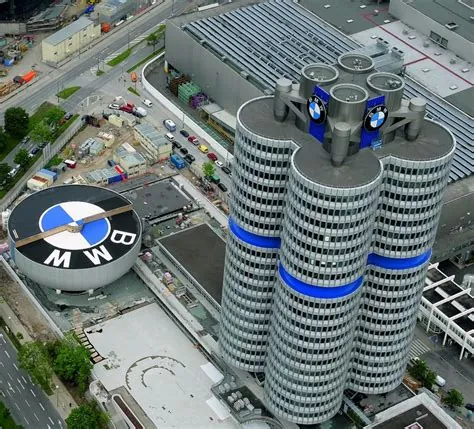
A prolonged downturn in the Chinese automotive market and escalating geopolitical cost pressures from the Middle East conflict have forced BMW to drastically alter its workforce projections. The German automaker expects to reduce its global headcount by up to 5% by the end of 2026, translating to roughly 7,700 job reductions worldwide from its payroll of 155,000 employees.
The workforce adjustments follow a severe profit warning issued by the company, driven largely by plunging sales of non-electric vehicles in China and the broader Asia-Pacific region. A BMW spokesperson confirmed the reductions will be managed through natural attrition rather than direct layoffs as the company prepares for difficult negotiations with employee representatives.
Profit Margins Slashed Amid Global Assembly Pressures
The decision arrives after BMW cut its operating profit margin guidance for its automotive business down to a 1% to 3% range. This is a sharp decline from the previously projected 4% to 6%. The automaker indicated that despite positive sales volume developments in Europe and the United States, those gains are insufficient to offset the structural collapse in Chinese demand, according to MarketWatch data detailing the 7% plunge in the automaker’s stock.
New CEO Milan Nedeljkovic is accelerating structural changes to establish a leaner operation. Nedeljkovic stated these internal adjustments will cause one-off negative financial effects in the second half of 2026, an approach validated by reports on his extended cost-cutting measures. This is the third consecutive year the company has raised alarms regarding its competitive standing in China.
The anticipated workforce reductions will be the subject of upcoming discussions. The automaker is currently preparing for talks with employee representatives to negotiate the internal attrition strategy.
How the Chinese Compact Market Contraction Impacts the European Auto Sector
BMW’s downgraded outlook triggered an immediate reaction across the European automotive manufacturing sector. Following the announcement, BMW shares dropped over 7% to their lowest trading level since November 2020. The valuation hit extended to domestic competitors, causing Mercedes-Benz shares to drop 3% and Volkswagen shares to shed 2% as investors assessed the widespread loss of competitiveness in the Chinese compact vehicle segment.
Analysts from Jefferies indicated the severity of this profit warning could compel BMW to fundamentally rethink its current global assembly model. The company remains highly dependent on exporting combustion-engine vehicles and powertrain components directly from Germany, a strategy facing increased pressure as Chinese consumer preferences shift toward domestic manufacturers and Middle Eastern supply chain costs rise.