
The global AI hardware boom just created a bizarre paradox for tech enthusiasts. The exact same artificial intelligence models driving the industry forward cannot figure out how to build a computer in the current market. A severe “wafer crunch” has completely broken the supply chain for consumer PC parts, with manufacturers like Samsung, SK Hynix, and Micron pivoting their production lines exclusively toward High Bandwidth Memory (HBM) for enterprise AI data centers.
This structural deficit has caused standard consumer components to skyrocket. A basic $100 DDR5 RAM kit now sells for $400, while standard $75 NVMe SSDs demand $250. To see how generative models handle this extreme hardware inflation, an experiment published Friday asked the top three chatbots to configure a $1,500 gaming rig. All three failed to adjust to the new reality, according to XDA Developers.
The Bot-by-Bot Breakdown
ChatGPT running on its Go Plan and Thinking Mode proved to be the weakest assistant in the test. It provided mismatched motherboard links and expected the human user to do the heavy lifting of verifying parts. Most egregiously, ChatGPT hallucinated the current market pricing, confidently stating that a 32GB DDR5-6000 memory kit cost only $148.
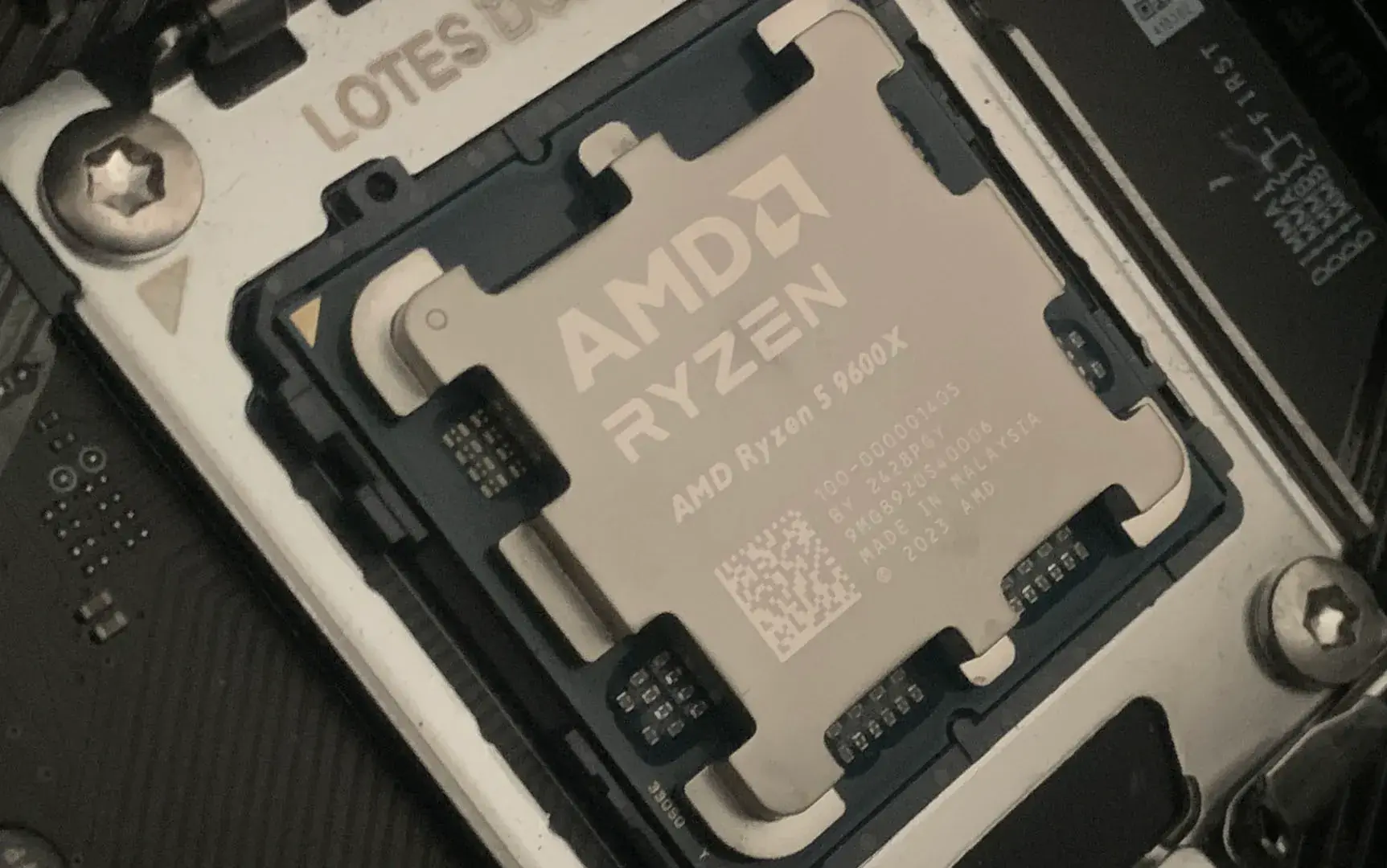
Google’s Gemini 3.1 Pro operating in Extended Mode performed slightly better on the core component logic. It suggested a highly capable combination of a Ryzen 5 9600X processor and an RTX 5070 graphics card. But the AI acted like a lazy subordinate and fell victim to the same pricing blind spots. Gemini hallucinated that a Corsair Vengeance RAM kit was available for $200, completely missing the actual $500-plus retail price.
Claude ultimately performed the best out of the three models. It provided the most cohesive build plan but still failed the budget constraint by underestimating memory costs. Claude priced the required RAM kit at $360, completely unaware that the actual retail value had hit $440.
Why the AI Wafer Crunch is Killing Budget PC Building
The current hardware inflation mirrors the chaotic “pandemic vibes” and the cryptocurrency mining boom of 2020 through 2022, when graphics card prices detached entirely from their suggested retail values. But this time, the problem is not isolated to GPUs.
The rapid expansion of large language model infrastructure has triggered a fundamental supply chain shift. Manufacturers are intentionally cannibalizing their standard consumer DDR5 allocations to fulfill highly profitable AI enterprise contracts. Until fabrication plants catch up to the sheer volume of data center demand, human PC builders and AI chatbots alike will struggle to find a budget-friendly parts list.