
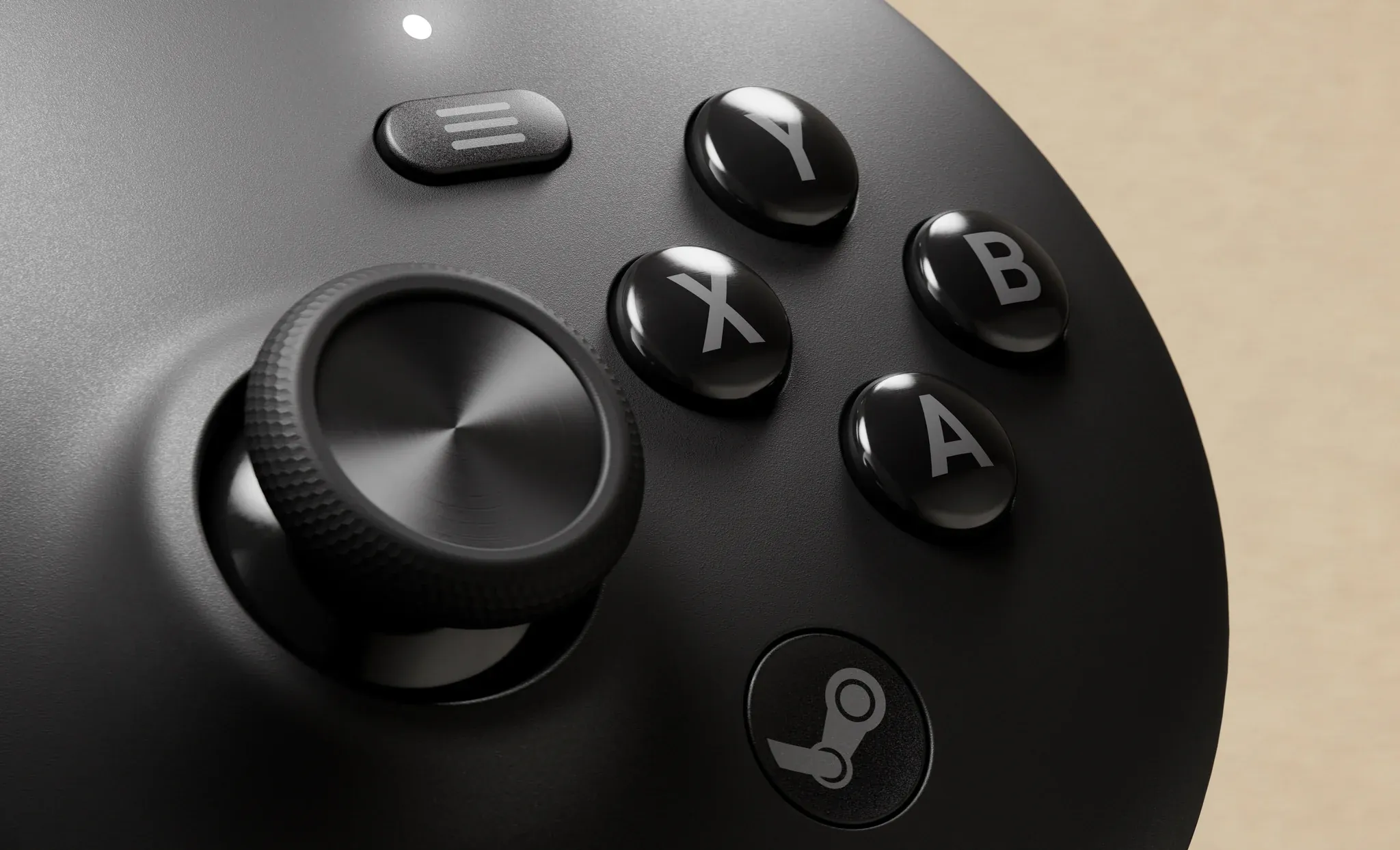
A severe, ongoing AI-induced hardware pricing crisis has essentially broken the consumer PC market, driving component costs to unsustainable highs. Against this economic environment, Valve confirmed its long-rumored 2026 “Steam Machine” will finally hit store shelves this summer. The compact, 6-inch console—affectionately dubbed the “GabeCube” by hardware enthusiasts—is expected to launch with a steep $1,000 price tag.
While four digits for a living room console sounds absurd on paper, consumer tolerance is surprisingly high. Traditional console manufacturers are already pushing similar financial boundaries, with Sony’s PS5 Pro currently touching $900 at retail. Valve is positioning its new hardware as a closed-box Linux alternative to prohibitively expensive DIY PC building.
The physical rollout is already underway. Recent customs and shipping data indicate that approximately 50 tons of Valve’s new hardware—translating to roughly 20,000 physical units—have arrived at United States ports. Retail stock is actively being staged for an imminent launch, according to leaked shipment manifests tracking four distinct hardware tiers.
We also have a clear picture of the silicon powering the device. Recent Geekbench 6 leaks reveal a custom 6-core AMD Zen 4 CPU paired with 16GB of DDR5 RAM. The system posts single-core scores around 2,300 and multi-core scores exceeding 7,300, placing the Steam Machine’s processing performance on par with Ryzen 7000-series chips. Graphics are handled by a semi-custom AMD RDNA3 28CU GPU, designed to target 4K resolution at 60 FPS in the living room using FSR upscaling.
Key Details
- The console natively integrates the Steam Deck’s popular “Quick Wake” suspend and resume feature for big-screen televisions.
- Users retain full PC ecosystem benefits, including free online multiplayer access and extensive hardware modification support.
- Valve’s Proton compatibility layer ensures nearly the entire existing Steam catalog runs perfectly on the Linux-based SteamOS out of the box.
Why Sony Views the GabeCube as a PlayStation Threat
Valve’s 2026 strategy is a direct follow-up to its ill-fated 2015 Steam Machine initiative. A decade ago, the company relied on fragmented third-party manufacturers, resulting in a confusing ecosystem that failed to gain traction. Today, Valve is succeeding by tightly controlling a unified, first-party hardware box that runs a highly refined iteration of SteamOS. Gamers are abandoning traditional desk setups and showing tolerance for the $1,000 price point because the hardware offers a permanent escape from the AI-inflated GPU market.
The broader console industry is paying close attention. Former Xbox executive Mike Ybarra recently noted that Sony already views Valve as a direct competitor in the hardware space. With Microsoft’s Xbox division currently taking a sidelined approach to physical hardware, the Steam Machine is perfectly positioned to become PlayStation’s primary rival for living room dominance.