
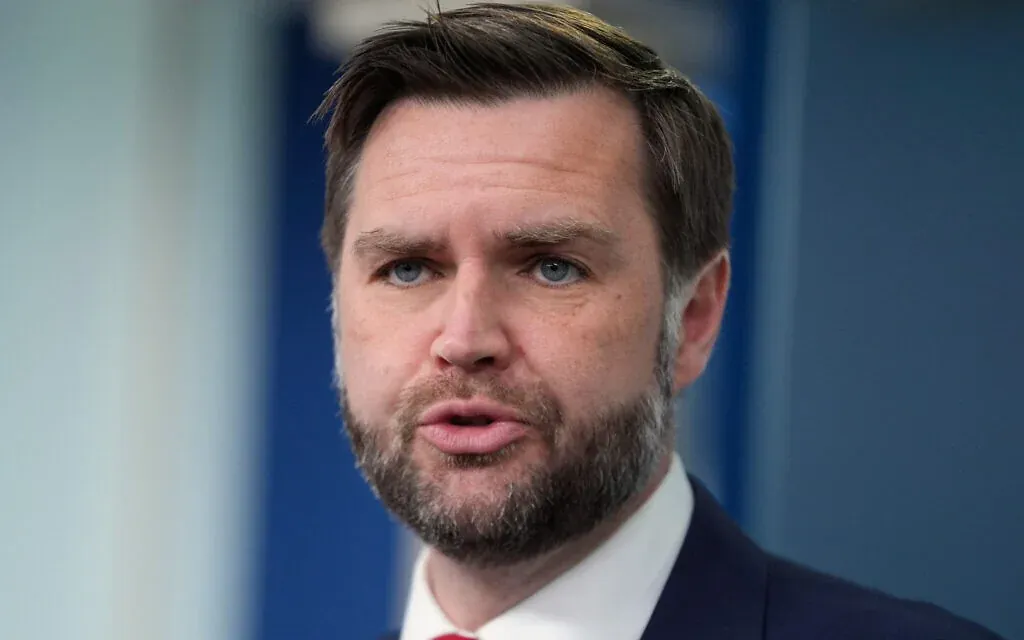
US Vice President JD Vance has abruptly postponed a planned visit to Switzerland, delaying the start of direct technical negotiations with Iranian officials. The cancellation comes just 48 hours after the formal signing of a 14-point memorandum of understanding designed to end the 110-day conflict and remove the US naval blockade on Iranian ports.
The Swiss foreign ministry confirmed that the planned summit at the Bürgenstock resort, which was to include representatives from Qatar and Pakistan, is currently off the schedule. While the White House cited unspecified “logistical issues” for the change, the delay follows a period of extreme regional volatility and shifting diplomatic conditions.
What We Know
- The US-Iran memorandum of understanding represents the first major attempt at normalizing relations since the 1979 Islamic Revolution.
- Iranian negotiators and state media outlets indicated the delay was partly driven by ongoing Israeli military operations in southern Lebanon.
- The 60-day negotiating window established by the memorandum of understanding is now under pressure, with Tehran warning that its commitment depends on the enforcement of territorial sovereignty in the region.
- Senior officials in Israel, including National Security Minister Itamar Ben-Gvir, have publicly criticized the peace process and continued to call for a more aggressive military posture.
- According to the Swiss foreign ministry, preparatory work for potential future talks is still moving forward despite the immediate cancellation of the Vance delegation’s trip.
The core of the diplomatic impasse rests on the dual nature of the ceasefire deal. While the US and Iran have signaled a willingness to resolve issues regarding oil shipping and nuclear development, the secondary conflict involving Lebanon remains a complicating factor. Iranian officials have stated that the broader peace agreement could be voided if the requirements for an Israeli withdrawal are not met according to their interpretation of the agreement.